Essential Tips for Choosing the Right Safety Glasses?

Choosing the right safety glasses is crucial for protection in many environments. The right pair can make a significant difference when working with hazardous materials. Often, individuals underestimate the importance of quality safety glass.

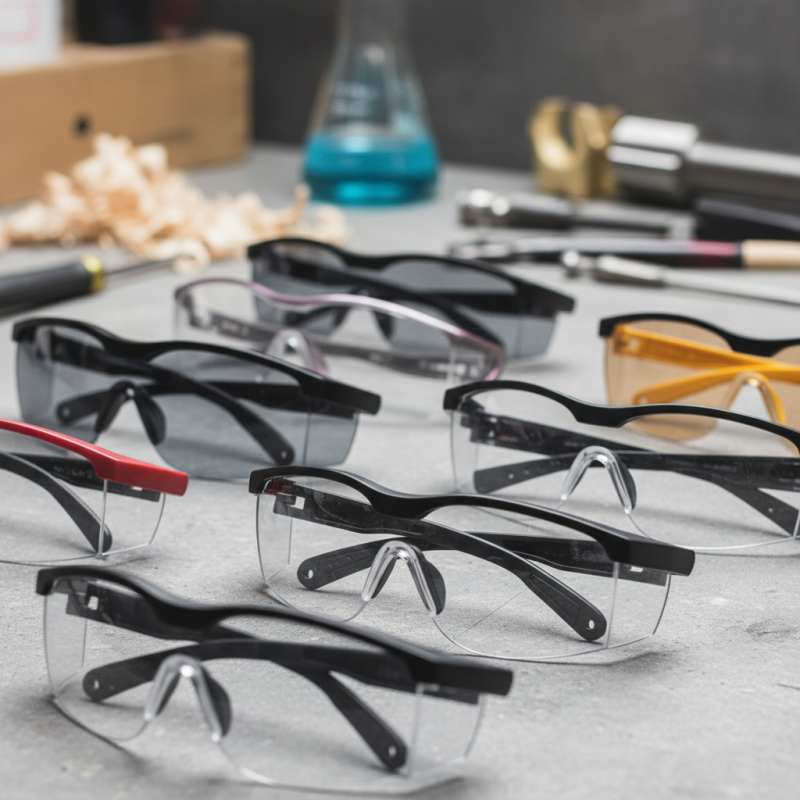
When selecting safety glasses, consider the level of impact resistance. Some glasses do not offer sufficient protection. Additionally, check for proper fit and comfort. Ill-fitting glasses can be a distraction and reduce safety.

Remember, style is less important than safety. The market offers various fashionable options, but functionality should always come first. Reflect on your specific needs. Evaluate the environments you work in regularly. Safety should be a priority over aesthetics.
Essential Tips for Choosing the Right Safety Glasses?

Understanding the Importance of Safety Glasses in Various Environments

Safety glasses play a crucial role in various environments. They protect the eyes from flying debris, chemicals, and harmful light. In construction sites, workers face numerous hazards. Dust and small particles can unexpectedly fly into their eyes. Wearing safety glasses can prevent injuries that might otherwise be permanent.

In laboratories, chemical splashes pose a significant risk. Safety glasses act as a barrier between harmful substances and the eyes. Sometimes, individuals overlook this simple protection. A moment of carelessness may lead to severe consequences. Proper eyewear is not just a suggestion; it's a necessity.

Yet, choosing the right pair isn’t always straightforward. Different environments require different features. Anti-fog coatings help in humid conditions, while anti-scratch designs offer durability. Many people neglect to consider comfort and fit. Ill-fitting glasses can cause distractions. Finding the right balance between safety and comfort is essential. Prioritizing eye safety is a small step that can yield significant benefits.

Essential Tips for Choosing the Right Safety Glasses

Environment Lens Type Frame Material Features Protection Level
Construction Sites Clear Polycarbonate Plastic Anti-fog, Scratch-resistant ANSI Z87.1
Laboratories Tinted Metal UV Protection, Ventilated ANSI Z87.1
Manufacturing Plants Photochromic Polycarbonate Impact-resistant, Anti-scratch ANSI Z87.1
Outdoor Sports Polarized Flexible Plastic Lightweight, Anti-slip Not Specified
Mining Operations Dark Tint High-strength Plastic Anti-fog, Extended Coverage ANSI Z87.1

Key Features to Look for When Choosing Safety Glasses

Essential Tips for Choosing the Right Safety Glasses?

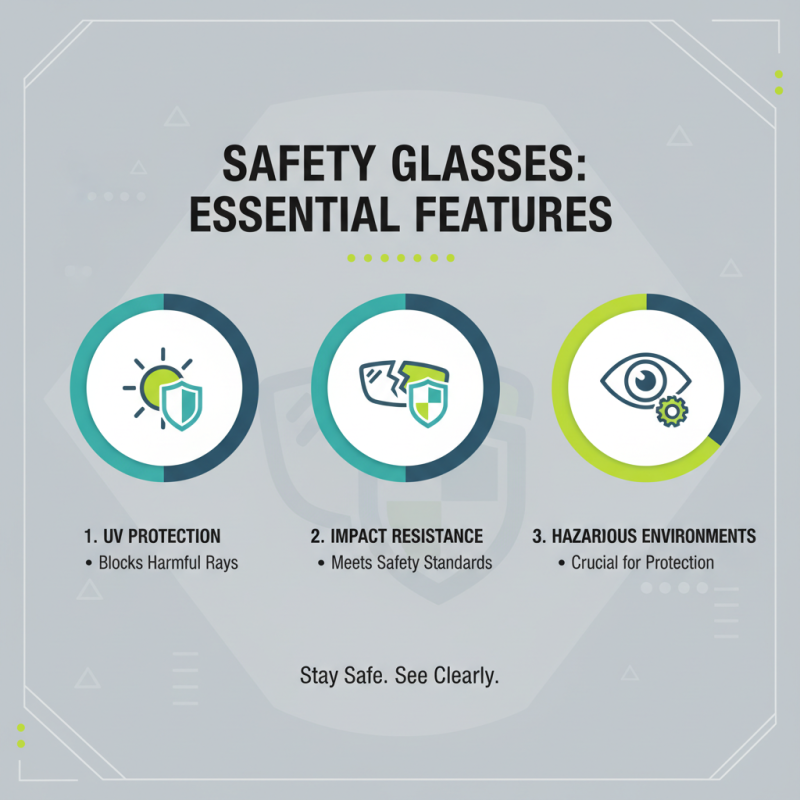
When choosing safety glasses, several key features are essential. Look for lenses that offer UV protection. This shields your eyes from harmful rays. Impact resistance is another critical aspect. Ensure the lenses meet safety standards. This feature is crucial for those in hazardous environments.

Comfort is often overlooked. Glasses should fit well and not slip down. Adjustable nose pads can make a significant difference. Lightweight frames also help reduce fatigue during prolonged wear. Fog-resistant coatings can be beneficial, especially in humid conditions.

Color can impact visibility. Clear lenses are great for low-light conditions. Tinted lenses may work better outdoors. Don't forget about side shields. They provide extra protection from flying debris. However, remember that style matters too. You can find options that are both safe and stylish. Ultimately, choose glasses that meet your needs and offer comfort. Reflect on what works best for your environment.

Types of Safety Glasses Suitable for Different Work Conditions

Choosing the right safety glasses is crucial for workplace protection. Different work environments require specific types of safety eyewear. For instance, in construction sites, impact-resistant glasses are essential. According to the American National Standards Institute (ANSI), nearly 70% of all eye injuries can be prevented with proper eyewear.


In laboratories, safety glasses should be chemical-resistant. Splash goggles are a good option to protect the eyes from harmful substances. A study by the National Institute for Occupational Safety and Health (NIOSH) indicates that 25% of chemical injuries occur due to inadequate eye protection.


Workers must consider the risks and select eyewear that meets specific needs.
Outdoor work may require UV protection. Not all safety glasses provide this feature. Therefore, understanding the different types of lenses, such as polarized or tinted, is essential. A mismatch between the eyewear and the work environment could lead to severe injuries. It's noteworthy that improper fit can also compromise effectiveness.


Workers must prioritize comfort and adjustability.

How to Ensure a Proper Fit and Comfort for Extended Use

When selecting safety glasses, comfort and fit are critical for extended use. Studies show that improper fit can lead to headaches and fatigue. It's essential to choose glasses that sit snugly but not too tight. The temples and nose pads should not dig into your skin.

Here are a few tips for ensuring a proper fit. First, check the size. Many brands offer small, medium, and large options. Measuring the distance between your eyes can help find the right fit.

Next, consider adjustable features. Glasses with flexible frames or adjustable nose pads allow for customization. This feature can enhance comfort significantly.

Don't overlook weight. Heavier frames can cause discomfort during long hours of wear. Lightweight materials are often preferable. Additionally, some lenses have anti-fog coatings. This is vital for maintaining visibility throughout your tasks.

Always remember, poorly fitting safety glasses can lead to distractions. Distractions can endanger safety. Prioritizing comfort can be an overlooked aspect that affects overall productivity and well-being.

Tips for Maintaining and Caring for Safety Glasses

Essential Tips for Choosing the Right Safety Glasses?

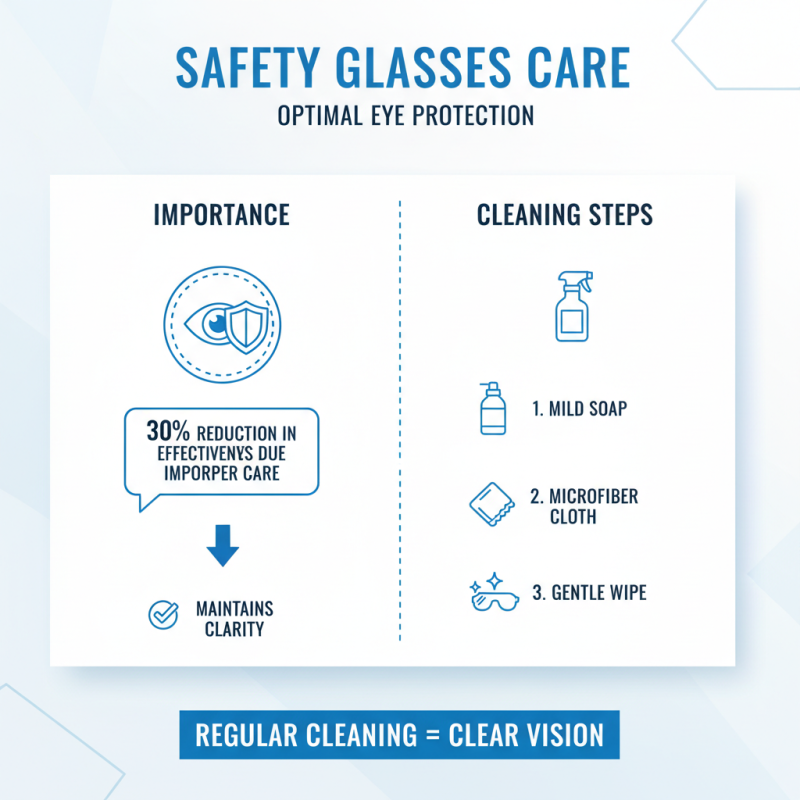
Maintaining and caring for safety glasses is crucial for optimal eye protection. Research indicates that improper care can reduce effectiveness by over 30%. Regular cleaning is essential. Use a microfiber cloth and mild soap to remove dirt and smudges. This simple step can preserve the lenses' clarity and functionality, ensuring clear visibility.

Storage is equally important. Avoid leaving safety glasses in direct sunlight or in extreme temperatures. These conditions can warp frames and affect lens integrity. Ideally, store them in a dedicated case to prevent scratches and damage. Many professionals overlook this, but even a small scratch can impede vision.

Regularly inspect safety glasses for wear and tear. Look for cracks or loose screws. If the glasses no longer fit properly, they may not offer adequate protection. Reports show that nearly 25% of users fail to replace damaged eyewear promptly. Neglecting these checks can compromise safety in hazardous environments. A proactive approach will enhance protection and ensure a longer lifespan for your eyewear.