- Proudly Made in the USA

Choosing the right fire rated doors is crucial for building safety. According to the National Fire Protection Association (NFPA), structures with proper fire doors can reduce fire spread by up to 80%. This statistic emphasizes the importance of selecting doors that comply with fire safety standards.
Fire rated doors not only protect lives but also safeguard property. A study by Underwriters Laboratories (UL) highlights that significant property damage can be minimized when appropriate fire rated doors are installed. However, many buildings still fail to meet these standards.
The selection process can be complex. It involves understanding various grades, materials, and installation requirements. Mistakes can lead to serious consequences. Many facilities overlook essential details, thinking all fire rated doors are the same. This mindset can be dangerous. Choosing the correct door is not just about compliance; it’s about ensuring safety. Consideration of specific needs is essential for the best outcomes.
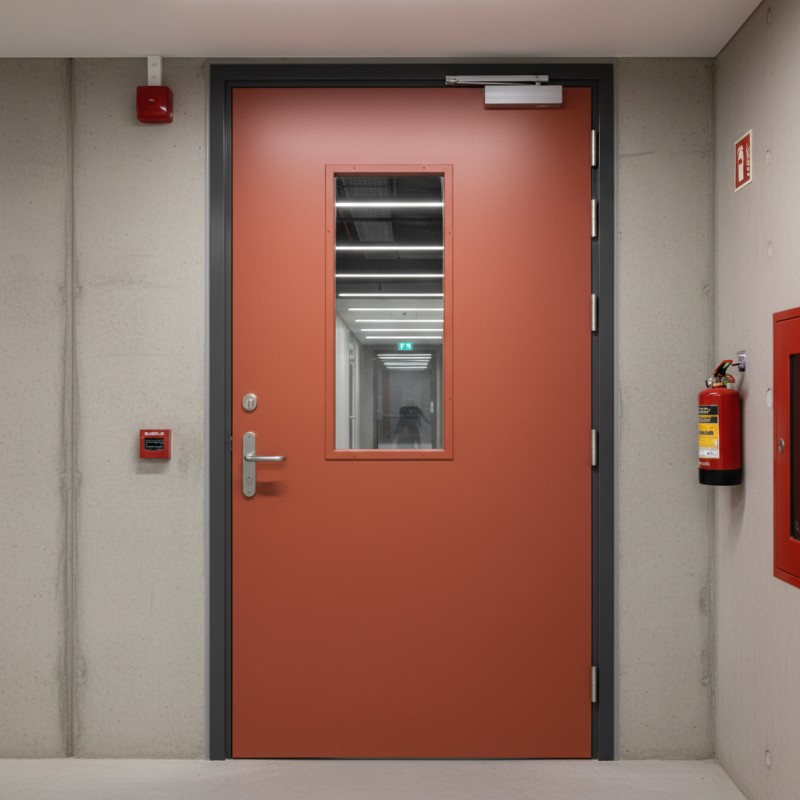
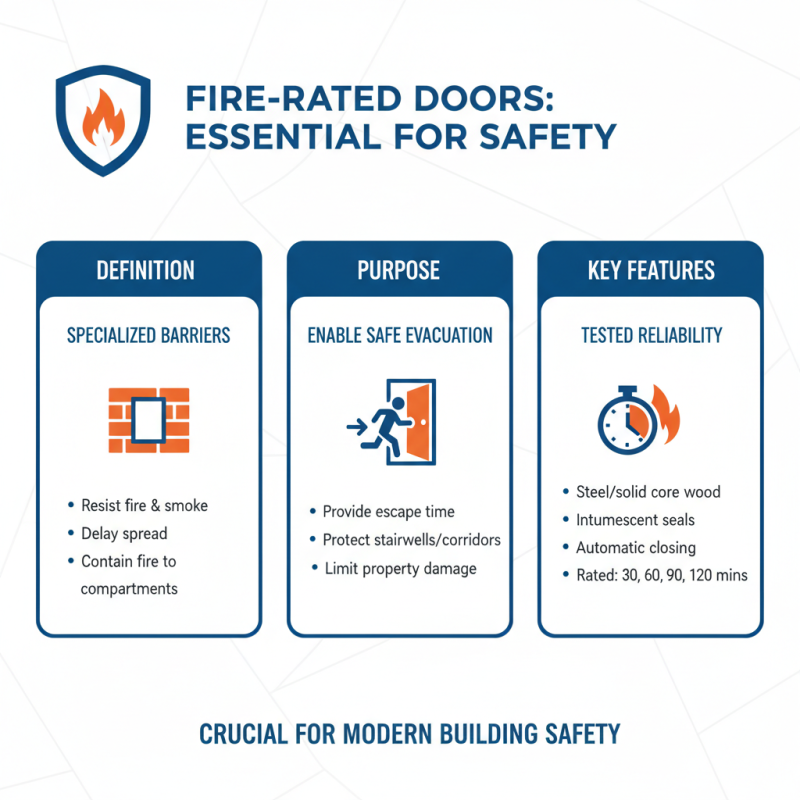
Fire rated doors are essential in modern building design. They act as barriers against the spread of fire and smoke. Understanding their definition and purpose is crucial for safety. These doors are tested to withstand high temperatures for a specified time. This time allows for safe evacuation during emergencies.
Choosing the right fire rated door involves considering various factors. The material is important; manufacturers often use steel or solid wood. The design must meet local fire codes and regulations. Many buildings overlook these details, risking safety. Placement is equally vital. Fire doors should be located strategically to maximize their effectiveness.
A common misconception is that all doors can serve as fire barriers. This is not true. Regular doors lack the necessary ratings. Inspections and maintenance of fire rated doors are sometimes neglected. This can lead to dangerous situations, making regular checks necessary. Reflecting on these aspects is key to improving fire safety in any building.
Choosing fire rated doors is crucial for safety. Consider the following key factors when making your decision.
Material matters. Steel doors are durable and strong. They typically offer better fire resistance. Wooden doors, while stylish, may not meet all safety standards. Inspect certification labels. These labels ensure compliance with fire safety protocols. This can save lives in emergencies.
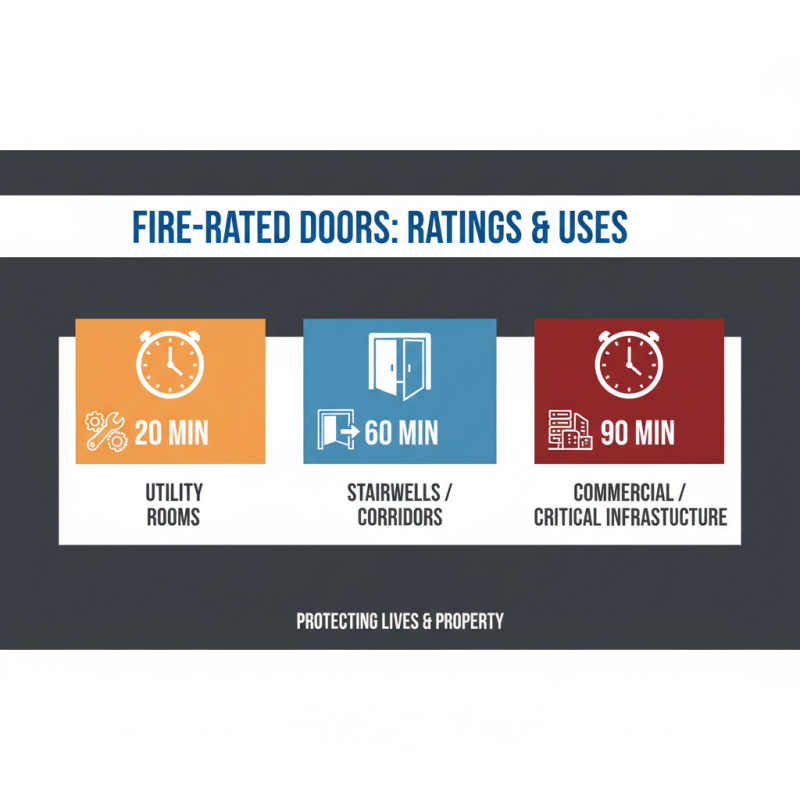
Next, think about ratings. Fire rated doors come with different ratings, like 30, 60, and 90 minutes. Select a rating based on your building's fire safety plan. A higher rating offers more protection but may be more costly.
Don’t forget installation. Proper installation is vital. Even the best door fails if not installed correctly. Consult with professionals to ensure everything meets safety codes. Testing door functionality and seals helps assess overall safety. Choose wisely to protect lives.
When selecting fire-rated doors, understanding different fire ratings and their specific applications is crucial. Fire ratings are categorized based on how long the door can withstand exposure to fire. For example, a 20-minute rating is typically suitable for utility rooms. In contrast, a 90-minute rating is often required for commercial buildings, particularly areas that house critical infrastructure.
Tips to consider: Always check the local building codes. They often dictate the minimum requirements for fire-rated doors. Ensure that the doors are certified by recognized testing organizations. This ensures they meet safety standards. It is also important to assess the location of the door. A door leading to a stairwell needs a higher fire rating than one that simply separates two office spaces.
While fire-rated doors are essential, not all options may fit your needs perfectly. Some might not withstand the duration required for certain applications. Others could pose challenges in terms of installation or maintenance. It's crucial to weigh these aspects carefully to ensure safety without sacrificing practicality.
When selecting fire rated doors, material and design choices are crucial. Steel doors are often favored for their strength and fire resistance. They can withstand flames for up to 90 minutes. In contrast, wood doors offer aesthetic appeal but require specific treatments to enhance their fire resistance. According to a recent report from the National Fire Protection Association (NFPA), over 70% of building fires could be contained using properly rated doors.
Design also plays a significant role. A solid door design reduces the likelihood of flame penetration. Transparent fire rated glass can be used in doors for visibility, but it must meet fire resistance ratings. This balance between safety and design can be tricky. While many choose glass for natural light, it compromises fire barriers.
Cost can also be a factor. Fire rated doors may be more expensive upfront, but they could save money over time. Insurance premiums might lower with adequate fire protection. However, it's essential to weigh these benefits carefully. Some may overlook long-term costs while focusing only on immediate expenditures. The key is to prioritize safety while staying within budgetary constraints.
| Tip Number | Tip Description | Material Options | Design Considerations |
|---|---|---|---|
| 1 | Understand your fire rating requirements based on local codes. | Steel, Wood, Glass | Consider door size and frame compatibility. |
| 2 | Select doors that meet or exceed fire safety standards. | Hollow Metal, Solid Core Wood | Aesthetic appeal should not compromise safety. |
| 3 | Choose the right frame for your fire rated door. | Steel Frames, Aluminum Frames | Consider architectural needs and design flow. |
| 4 | Consider the installation environment for durability. | Fire-Rated Glass, FRP | Think about exposure to moisture or chemicals. |
| 5 | Ensure proper sealing and weatherstripping. | Sealants, Gasketing | Improves energy efficiency and smoke sealing. |
| 6 | Plan for door hardware that supports fire ratings. | Fire-Rated Hinges, Locks | Maintain compatibility with emergency access systems. |
| 7 | Regular maintenance checks to ensure functionality. | N/A | Inspect for damage and proper closing mechanisms. |
| 8 | Assess the need for window inserts in fire doors. | Fire-Rated Glazing | Consider visibility and light transmission. |
| 9 | Evaluate the cost versus long-term safety benefits. | Cost of Materials and Installation | Consider insurance and liability factors. |
| 10 | Consult with fire safety professionals for best practices. | N/A | Incorporate expert advice into your planning. |
When selecting fire-rated doors, understanding compliance standards is crucial. These regulations ensure that doors can withstand heat and flames for a specified period. Many codes exist, including the International Building Code (IBC) and National Fire Protection Association (NFPA) guidelines. Familiarizing yourself with these standards helps ensure your building is safe.
Not all fire-rated doors are the same. Some may only meet minimal requirements, while others provide extended protection. It's essential to verify the door's ratings and certifications. Look for signage indicating compliance. Additionally, consider local building codes that might impose stricter standards.
Installation is key to compliance. A well-installed door can make a significant difference in fire safety. Improper installation can lead to gaps, decreasing the door's effectiveness. Ensuring that the frame, hinges, and seals are correctly fitted is vital. Regular maintenance checks are also necessary. Fire-rated doors require periodic inspections to ensure they remain effective over time.
This bar chart illustrates the percentage of compliance requirements for various fire-rated door durations. The data suggests that 1-hour rated doors have the highest compliance requirements, while 4-hour rated doors have the lowest.
Whether you’re looking for fire-rated walls, doors, openings, floors or a specialty service, we have the solution for you. With over 40 years of experience in testing, innovating, and providing technologically advanced fire-rated glass and framing products, we deliver unyielding performance and quality at a competitive price.