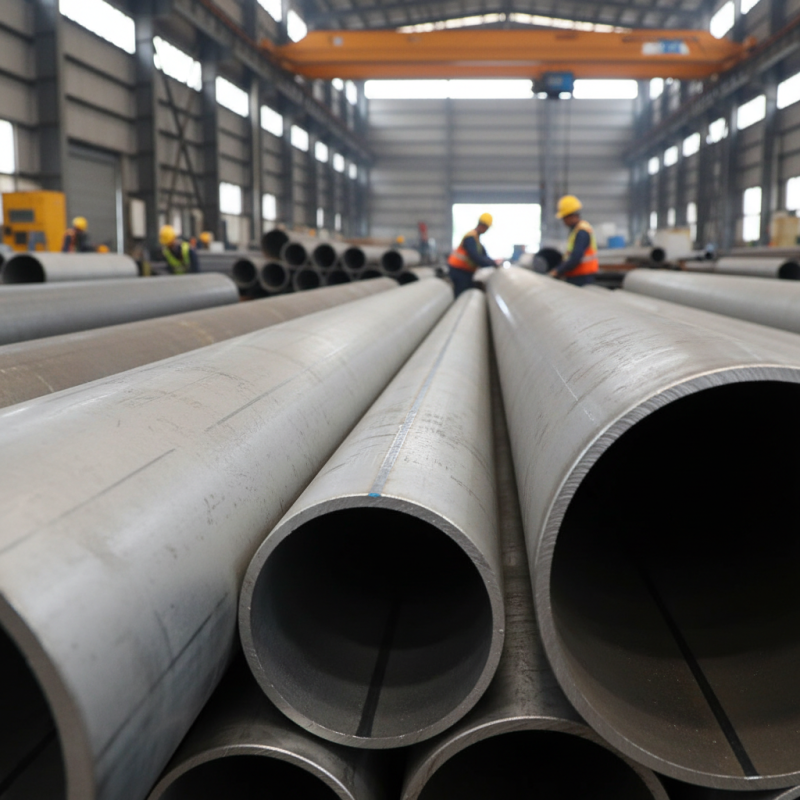
What is ERW Electric Resistance Welding Pipe and Its Uses?
The ERW (Electric Resistance Welding) Pipe is a vital component in various industries. It is manufactured through a welding technique that joins metal pieces using electrical resistance. This process ensures strong and durable pipes, making them suitable for diverse applications.
In construction, for example, ERW pipes are essential for structural frameworks. They provide support and longevity to buildings and infrastructure projects. Additionally, the oil and gas industry relies heavily on these pipes for transporting fluids. Their ability to withstand high pressure makes them ideal for such demanding tasks.
However, not every ERW pipe is perfect. Quality control issues can arise during manufacturing. Understanding the properties and limitations of ERW pipes is crucial. Proper evaluation of their reliability is necessary before use in critical applications.
Definition and Overview of ERW Electric Resistance Welding Pipe
ERW Electric Resistance Welding (ERW) pipe is a type of welded pipe manufactured by passing electrical current through metal plates that are brought together. This method generates heat, allowing the edges to bond together without filler material. ERW pipes are often used in a range of applications, including oil and gas, construction, and water transportation. According to the Global Market Insights report, the demand for ERW pipes is expected to grow at a compound annual growth rate of over 5% from 2021 to 2027.
One notable advantage of ERW pipes is their consistency in quality and strength. These pipes can be produced in various sizes and thicknesses, making them versatile. The manufacturing process is more cost-effective compared to other types of pipes. However, ERW pipes may face limitations in extreme temperature or pressure applications. For example, some sectors may require seamless pipes due to the stringent conditions they deal with.
Tip: Always consider the operating environment when selecting ERW pipes. Testing for specific uses can help avoid future issues. Another point to consider is the welding technique. Variations in the welding process can affect the pipe's performance, leading to potential risks. Understanding these factors can significantly enhance the validity of your choices in pipeline construction.
Manufacturing Process of ERW Pipes and Technology Involved
Electric Resistance Welding (ERW) pipes are known for their efficiency and versatility. The manufacturing process begins with flat steel sheets. These sheets are then fed into a forming machine, which rolls them into a cylindrical shape. This process is quite precise. The edges of the formed sheet meet, allowing for a seamless fusion.
Next, electric current is passed through the edges. This creates heat through resistance, melting the steel at the seam. Once heated, the edges are pressure-welded together. It’s a reliable method that reduces material waste. However, controlling the welding parameters can be challenging. If not monitored closely, issues such as uneven seams or weak joints may arise.
After welding, the pipes undergo several treatments. These include normalization and testing for strength and durability. Some manufacturers might skip these steps. This can lead to compromised quality, emphasizing the need for stringent processes. The final product is used in various sectors such as construction and oil. Yet, it's crucial to consider the continuous advancements in ERW technology to maintain high standards.
Applications of ERW Pipes in Various Industries
ERW (Electric Resistance Welding) pipes are commonly used across various industries due to their strength and cost-effectiveness. In the oil and gas sector, they are vital for transporting liquids and gases. According to a recent market report, the demand for ERW pipes in this industry is projected to grow by 5.4% annually through 2025. These pipes exhibit excellent corrosion resistance, making them suitable for harsh environments.
In construction, ERW pipes are often utilized for structural applications. Their lightweight nature makes them easier to handle compared to other types. Additionally, they can be used for railings and scaffolding. A notable trend indicates that the construction sector's use of these pipes is expected to rise as infrastructure projects increase globally. The alignment with sustainable practices also contributes to their growing popularity.
However, concerns about manufacturing quality sometimes arise. Not all ERW pipes meet rigorous standard specifications, leading to potential failures. Researchers emphasize the need for proper quality control measures during production. The industry must continually assess manufacturing processes to ensure reliability. Ultimately, while ERW pipes demonstrate numerous advantages, vigilance and ongoing improvement are essential for their long-term success in various applications.
Advantages and Disadvantages of Using ERW Electric Resistance Welding Pipes
ERW (Electric Resistance Welding) pipes are common in many industries. They are produced by welding steel sheets together. This method allows for various diameters and thicknesses. The technique’s efficiency can lower production costs. However, it's crucial to balance quality and affordability.
Advantages of ERW pipes include their uniformity and strength. According to industry reports, they have a lower tendency to degrade under stress compared to other welding methods. They are also lighter, which facilitates transportation. However, the thinner walls often limit their ability to withstand high pressure. This could pose risks in high-pressure applications.
On the downside, ERW pipes may have limitations in certain environments. For instance, they could be more susceptible to corrosion if not treated properly. Users should pay attention to the application requirements. While ERW pipes provide benefits like cost-effectiveness, the need for regular assessments cannot be overlooked. Balancing these factors is essential for ensuring long-term performance.
What is ERW Electric Resistance Welding Pipe and Its Uses? - Advantages and Disadvantages of Using ERW Electric Resistance Welding Pipes
| Dimension | Details |
| Material | Steel, Stainless Steel |
| Diameter | 1/2 inch to 24 inches |
| Length | Up to 12 meters |
| Applications | Construction, Oil and Gas, Water Transmission |
| Advantages | Cost-effective, High Strength, Versatile |
| Disadvantages | Limited Wall Thickness, Sensitive to Corrosion |
| Welding Process | Electric Resistance Welding |
| Standards | ASTM, API |
Quality Standards and Testing Methods for ERW Pipes
Electric Resistance Welding (ERW) pipes play a vital role in various industries, particularly in construction and oil and gas. To ensure their reliability, strict quality standards and testing methods are fundamental. Industry data shows that ERW pipes must comply with specifications such as ASTM A53 and API 5L. These standards provide guidelines for the mechanical properties and chemical composition required for durable and safe pipe usage.
Testing methods for ERW pipes include hydraulic testing, which assesses the pipe's strength and integrity. Magnetic particle testing and ultrasonic testing are also common. These methods help identify any defects in the welding seams that could compromise safety. According to a report by the American Institute of Steel Construction, about 4% of pipes fail during initial tests. While this rate is relatively low, it highlights the importance of rigorous testing and quality assurance.
Despite high standards, imperfections can arise in manufacturing. Weld quality can vary based on equipment and operator skill. Some producers may bypass certain tests to save costs, increasing susceptibility to future failures. It is essential for stakeholders to recognize these risks and ensure thorough inspection processes. Quality assurance in ERW pipes is not merely a formality; it is crucial for maintaining structural integrity and preventing failures in high-stakes applications.