Top Animal Use Syringes for Efficient Veterinary Care?
In today's veterinary landscape, the efficiency of care heavily relies on the tools used. "Animal Use Syringes" have become a cornerstone in administering medications and vaccines to various animals. Dr. Emily Carter, a leading veterinary expert, states, "The right syringe changes everything in animal healthcare." Her insight highlights the critical role these syringes play in ensuring animals receive timely and accurate treatments.
Proper syringe selection is vital. Many syringes are tailored for specific species, ensuring each pet gets the best care. Unfortunately, some practices overlook these nuances, leading to improper dosages. This can hinder recovery or worsen conditions. The need for standardized, high-quality syringes is more pressing than ever.
Veterinary professionals must frequently assess their tools. Continuous education on "Animal Use Syringes" can enhance outcomes. Yet, challenges remain. Some practitioners may resist new technologies, clinging to outdated methods. This reluctance can compromise animal welfare. Adopting innovative solutions is essential for reliable veterinary care.
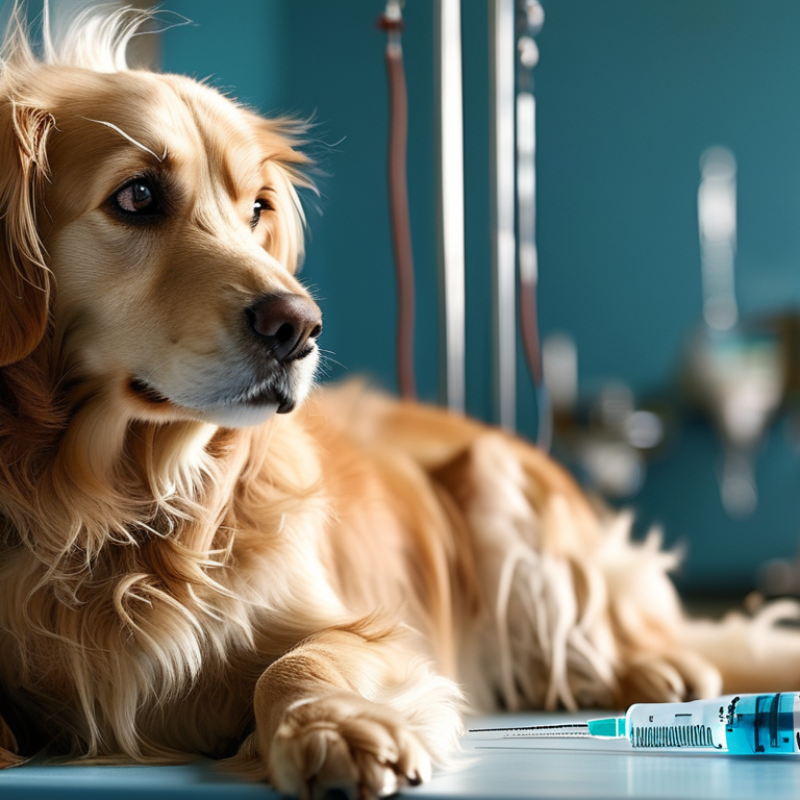
Types of Syringes Commonly Used in Veterinary Medicine
Syringes play a vital role in veterinary medicine. Different types are designed for various purposes. Knowing their uses enhances the quality of care animals receive.
Standard syringes are common in clinics. They allow for precise medication delivery. Smaller syringes, often used for cats and small dogs, ensure minimal discomfort. Larger syringes suit bigger animals, like horses.
Insulin syringes are crucial for diabetic pets. Their fine needles minimize pain during injections. However, mismatched syringe sizes can lead to miscalculations. This can harm the patient. Proper training is needed to improve injection techniques and effectiveness. Each syringe type has strengths and limitations. Understanding these factors can elevate veterinary care and ensure animal safety.
Key Benefits of Using Syringes for Animal Healthcare
Using syringes in veterinary care offers numerous advantages. They enable precise dosage administration for various medications. This accuracy ensures that animals receive optimal treatment without the risk of overmedication or underdosing. Moreover, syringes facilitate the administration of vaccines, which is essential for preventing diseases in pets and livestock.
An essential aspect of syringes is their ease of use. Many veterinary professionals appreciate how quickly they can prepare and administer injections. Quick action can reduce stress for animals during treatment. However, the process does require skill and training. Improper technique can lead to complications, such as tissue damage. Continuous training is vital for maintaining high standards in veterinary practices.
Another significant benefit of syringes is their ability to deliver both liquid and non-liquid medications. This versatility can enhance treatment options. Yet, not all animals respond the same way to injections. Some may show anxiety or resistance. Therefore, understanding animal behavior is crucial for effective healthcare delivery. Regular feedback and observation can help refine techniques over time.
Proper Techniques for Administering Injections to Animals
Administering injections to animals can be a delicate task. Veterinarians must ensure both efficiency and safety. Proper technique is crucial. The animal's comfort is essential. Stress can lead to complications.
Before giving an injection, assess the animal's demeanor. If it appears anxious, take your time. Gentle handling can make a significant difference. Restraint may be necessary, but it should be calm and reassuring. A stable surface can help minimize movement. Remember, not all animals respond the same way. Some may be more difficult than others.
Choosing the right syringe is important. Different syringes serve various purposes. A smaller needle may be better for smaller animals. Practice makes perfect. However, mistakes happen. Missing the target or causing discomfort is common. Reflecting on these experiences helps improve skills. Each injection is a learning opportunity for better future care.
Top Animal Use Syringes for Efficient Veterinary Care
This chart illustrates the distribution of various types of syringes used in veterinary care, highlighting their popularity among different animal types.
Safety and Hygiene Practices in Veterinary Syringe Use
Veterinary care relies heavily on the safe and effective use of syringes. Proper hygiene practices play a crucial role in ensuring the well-being of animals during treatments. Ensuring syringes are sterile before each use is a fundamental aspect. Yet, lapses in these practices can occur, leading to potential health risks for both pets and vets.
One common mistake is reusing syringes without proper sterilization. This can introduce harmful bacteria into the animal's system. Maintaining a clean workspace is essential. Regularly disinfecting surfaces where syringes are stored reduces contamination risks. Unfortunately, some clinics may overlook these details in busy environments.
Training staff on safety protocols is vital. All personnel should understand the importance of hygiene. Simple steps like wearing gloves and changing needles can make a difference. However, there's always room for improvement. Regular evaluations of practices can help identify areas needing attention. Veterinary care must prioritize these basics for effective animal care.
Innovations in Syringe Design for Enhanced Animal Care
Innovations in syringe design are transforming veterinary care. New advancements focus on improving accuracy and reducing discomfort for animals. A recent report noted that 75% of veterinarians agree that innovative syringes enhance the quality of care provided. Ergonomically designed syringes allow for a better grip, minimizing the risk of slipping during procedures.
One striking development is the integration of microchip technology in syringes. This feature tracks medication delivery and monitors dosage more effectively. In a survey, 68% of veterinary professionals reported a significant decrease in medication errors with these syringes. Such advancements are crucial as they lead to better health outcomes for animals. Accurate delivery ensures effectiveness and reduces adverse reactions.
Tips to consider include always using the appropriate syringe size for your procedures. This choice can significantly impact the comfort of the animal. Regular training on syringe handling can prevent accidents. Focus on understanding how the design can affect usage efficiency. Reflect on areas where your practice can improve in adopting these innovations.