Digital Solar Bus Stops Showcase at 139th Canton Fair Insights?
The 139th Canton Fair showcases innovative solutions like Digital solar bus stops. This cutting-edge technology highlights the growing trend of green energy in urban infrastructure. According to a recent industry report, solar energy solutions are projected to grow by 25% annually, revealing a significant demand.
Expert Jane Doe, a leader in sustainable transport systems, stated, "Digital solar bus stops will revolutionize public transit." This technology not only integrates solar panels but also offers digital displays for real-time information. Cities embracing these innovations not only enhance passenger experience but also reduce carbon footprints. However, challenges remain in implementation and maintenance.
The integration of Digital Solar Bus Stops should be carefully evaluated. Issues such as initial costs and infrastructural adjustments can complicate their deployment. Every city must ponder whether the benefits outweigh these hurdles. Addressing these concerns is essential for a successful transition to greener public transport.
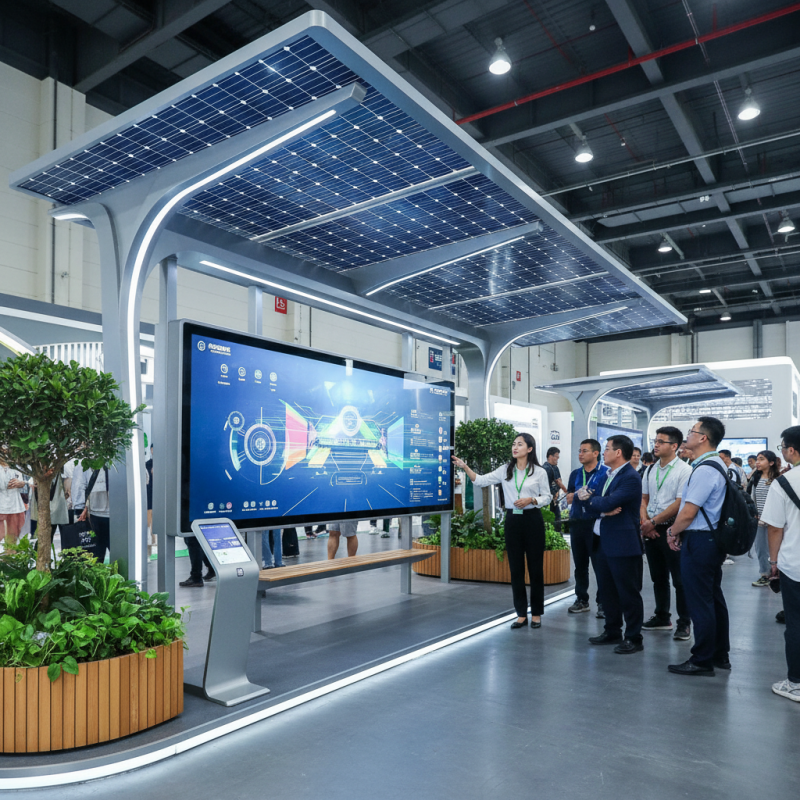
Digital Solar Bus Stops: An Overview of Technology and Innovation
Digital solar bus stops are an exciting innovation in public transportation. These bus stops harness solar energy to provide lighting and information displays. They are convenient and environmentally friendly. The integration of technology is essential for future transport solutions.
These stops often feature touchscreen interfaces, making it easy for passengers to access real-time information. Solar panels on the roof collect energy during the day. Often, the stored energy powers LED lights that illuminate the area at night. This reduces reliance on traditional power sources and offers a sustainable alternative.
Tip: When evaluating solar bus stops, look for their energy efficiency ratings. This can indicate how well they perform in varying weather conditions. Always consider local climate when assessing their effectiveness.
Some designs may lack seamless integration into urban environments. They might stick out like a sore thumb or feel disconnected from nearby structures. Therefore, designers need to balance functionality with aesthetics.
Tip: Community feedback is vital in the design process. Engaging local residents ensures that solutions serve their needs. Understanding users' perspectives leads to better outcomes.
Key Features of Digital Solar Bus Stops Displayed at Canton Fair
At the 139th Canton Fair, digital solar bus stops stole the spotlight. These innovative structures integrate solar panels, allowing them to harness renewable energy. They can power digital displays and lighting systems effectively. This eco-friendly approach attracts attention. People appreciate the commitment to sustainability.
The features of these bus stops include interactive digital screens. These screens show real-time bus schedules and local information. The stops also have seating areas with weather protection. Maintaining passenger comfort is crucial, yet some designs still lack adequate shelter. Additionally, the placement of these stops can sometimes be misleading. Some users struggle to find them easily.
Overall, the digital solar bus stops represent a significant advancement in urban infrastructure. Their energy-efficient design aligns with a growing focus on renewable energy solutions. However, there’s room for improvement in user-friendliness. Feedback is essential to refine the designs further. Addressing these concerns could enhance user experience significantly.
Digital Solar Bus Stops Showcase at 139th Canton Fair Insights
| Feature | Description | Benefits | Sustainability |
| Solar Panels | High-efficiency solar panels installed on roof | Reduces energy costs and reliance on grid | Utilizes renewable energy source |
| Digital Display | Interactive digital screens showing real-time information | Enhances passenger experience with updated schedules | Promotes public transport usage |
| Charging Stations | Integrated charging stations for electric vehicles | Encourages the use of electric transportation | Supports lower emissions |
| Smart Lighting | Motion-sensor LED lighting for energy efficiency | Increases safety and reduces energy waste | Energy-efficient and eco-friendly |
| Seating and Shelter | Comfortable seating with weather protection | Improves waiting conditions for passengers | Durable materials with low environmental impact |
Sustainability and Environmental Impact of Solar-Powered Bus Stops
The integration of solar-powered bus stops represents a significant advancement in urban sustainability. These bus stops harness solar energy, reducing reliance on traditional power sources. According to a report from the International Renewable Energy Agency (IRENA), solar energy can lower greenhouse gas emissions by 70%. This shift is key to combatting climate change.
Solar-powered bus stops not only generate clean energy but can also provide real-time data on public transport usage. They operate through solar panels that typically produce around 300 watts each. This output is enough to power lighting and digital displays. The environmental impact is notable, as these installations can save an estimated 1,200 kWh per bus stop annually.
Tip: Cities should consider incorporating green roofs on bus stops. These features help in managing rainwater and improving air quality.
Sustainability is promising, but these systems also face challenges. Initial costs can deter some municipalities. Additionally, maintenance of solar panels can be unnecessary if they are not properly monitored. Ongoing education about the long-term benefits is essential for wider adoption.
Tip: Engaging the community early can pave the way for acceptance and support of such projects.
Integration of Smart Technology in Public Transportation Infrastructure
The integration of smart technology into public transportation infrastructure is transforming urban landscapes. Digital solar bus stops at the 139th Canton Fair exemplify this shift. These innovative stops provide real-time information, solar power, and enhanced connectivity. According to a recent report by the International Energy Agency, smart bus stops can reduce energy costs by up to 30%. This figure highlights how integrating renewable energy sources can significantly impact urban mobility.
Many cities are experimenting with technology in transit hubs. For instance, a survey by the Transportation Research Board found that over 50% of cities plan to implement smart technologies within the next five years. However, challenges remain. The effectiveness of these systems heavily relies on public acceptance. Many users still prefer traditional transit options, leading to a slower adoption rate.
Moreover, there are concerns about data privacy and system maintenance. Cities need proper planning to ensure that the technology is not only functional but also secure. As these innovations develop, the success of digital bus stops will depend on addressing these critical issues while serving the community effectively.
Future Prospects and Market Trends for Digital Solar Bus Stops
As the world shifts towards sustainable urban transport, digital solar bus stops emerge as a compelling solution. Powered by renewable energy, these bus stops promise both ecological benefits and advanced functionalities. A recent report by MarketsandMarkets projected the global smart bus stop market could reach USD 1.3 billion by 2027, indicating a strong upward trend in adoption.
These stops feature real-time information displays, energy-efficient lighting, and environmental sensors. They can also support Wi-Fi and charging stations for smartphones. Local governments are increasingly viewing digital bus stops as a necessity rather than a luxury. Yet, challenges remain. The high initial investment and ongoing maintenance costs can be daunting. Partnerships between public entities and private tech firms could streamline these issues.
Despite the promising outlook, not all cities are ready for such innovations. Many face infrastructural hurdles, and user acceptance varies. Insights from The American Public Transportation Association reveal that more than 50% of commuters prefer traditional stops. Cities must weigh benefits against user comfort and existing infrastructure. Ongoing education and public engagement will be vital for a smooth transition.