How to Choose the Right Window Wall System for Your Building Project?
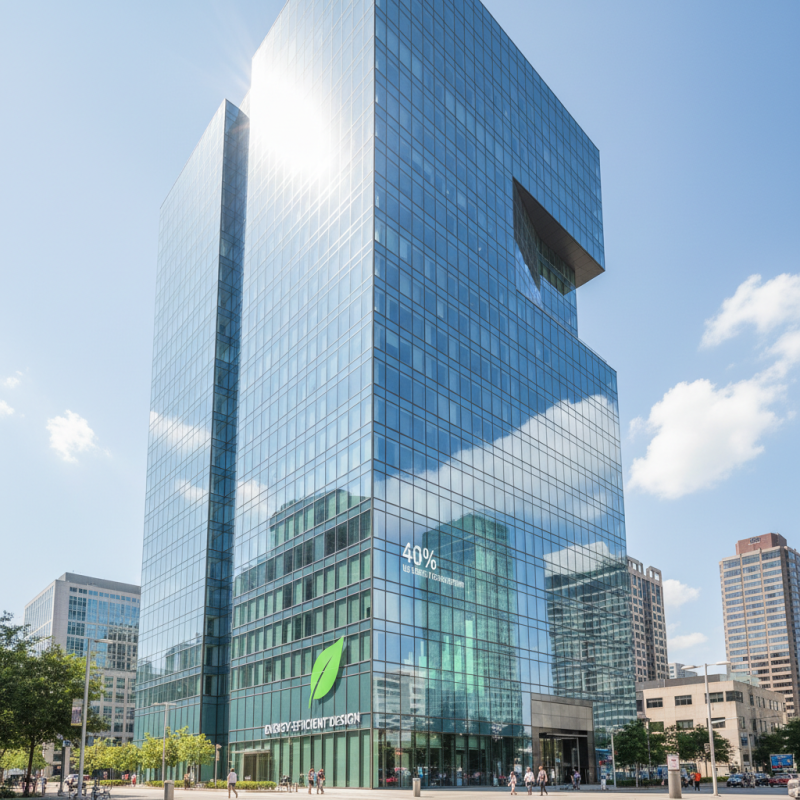
Choosing the right window wall system for your building project is a critical decision that can significantly impact energy efficiency, aesthetics, and overall performance. According to the 2022 U.S. Department of Energy report, over 40% of a building's energy use is attributed to its windows and facade, making the selection of an appropriate window wall system more crucial than ever. With an increasing focus on sustainability, architects and builders are tasked with selecting systems that not only enhance visual appeal but also improve thermal performance and comply with evolving energy codes.
Industry expert, John Smith, a leading architect with over two decades of experience in façade design, emphasizes that "the choice of a window wall system can make or break the energy efficiency of a building." This remark highlights the importance of understanding the nuances of different systems available in the market today. Factors such as thermal insulation values, material longevity, and installation methods play essential roles in the long-term sustainability and functionality of a building project. As the architectural landscape continues to evolve towards greener practices, the window wall system stands out as a pivotal element in achieving both aesthetic and environmental goals.

Understanding the Basics of Window Wall Systems in Construction
Understanding the basics of window wall systems is essential for anyone involved in construction or building design. A window wall system consists of a series of large glass panels that are framed and mounted on the exterior of a building, which not only enhances aesthetics but also boosts energy efficiency. According to the U.S. Department of Energy, buildings account for approximately 40% of the total energy consumption in the United States, making energy-efficient window systems a critical focus in sustainable design practices. Properly installed window wall systems can significantly reduce heating and cooling costs by providing effective insulation and minimizing heat transfer.
Moreover, the performance of window wall systems can vary widely based on factors such as the materials used, the installation method, and local climate conditions. A report by the National Glass Association highlights that selecting high-performance glazing options can lead to energy savings of up to 30% compared to standard systems. As building codes and green certification criteria become more stringent, understanding these basics allows architects and builders to make informed decisions that align with both regulatory requirements and client expectations. Ultimately, a thoughtful approach to selecting the right window wall system can enhance a building's functionality, sustainability, and overall value.
Evaluating Your Building's Architectural Design and Requirements
When selecting the right window wall system for your building project, it's crucial to assess your architectural design and specific requirements. This evaluation starts with understanding the building's intended use, local climate, and aesthetic considerations. For instance, buildings in regions with extreme weather conditions should prioritize systems with strong thermal performance and moisture resistance, as highlighted by the American Architectural Manufacturers Association (AAMA), which reports that energy-efficient window systems can lead to up to a 40% reduction in energy costs.
A well-designed window wall system enhances the overall architectural vision while complying with local building codes and standards. Consider the influence of natural light, views, and ventilation on the building's occupants. According to the National Institute of Building Sciences, proper integration of window systems can improve occupant wellbeing and productivity by up to 20%, making thoughtful choices essential.
**Tips:**
- Always consult with architectural and engineering professionals early in the design process to align the window wall system with the building’s structural requirements.
- Analyze life-cycle costs, including maintenance and energy usage, ensuring that the chosen system not only meets aesthetic needs but is also financially sustainable long-term.
Choosing the Right Window Wall System: Performance Characteristics
Comparing Different Types of Window Wall Systems Available
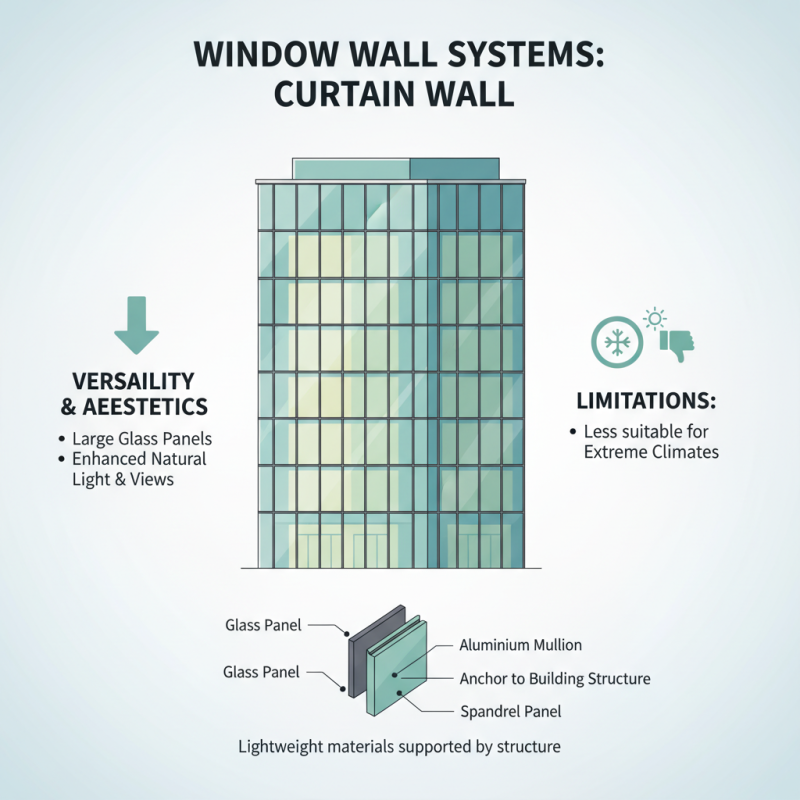
When selecting a window wall system for a building project, it's essential to understand the various types available, as each offers distinct advantages and limitations. One popular option is the curtain wall system, which consists of lightweight materials that are supported by the building's structure. This system is versatile, allowing for large glass panels that enhance natural light and views while providing an aesthetic appeal. However, curtain walls may not always offer the same level of insulation as other systems, making them less suitable for climates with extreme temperatures.
Another option to consider is the storefront window wall system, designed primarily for commercial buildings. This system features a structural member at the bottom that supports the glazing and offers a seamless, unobtrusive storefront appearance. Its robust construction can withstand harsh weather conditions, making it a practical choice for urban environments. However, when compared to curtain walls, storefront systems typically have more limitations in terms of height and overall design flexibility.
Lastly, the punch window system, which incorporates individual windows into the wall structure, can be an excellent choice for residential applications. This system provides enhanced thermal performance and can be customized easily to fit various architectural styles. While punch windows may require more structural support than other systems, they offer a classic aesthetic and flexibility in terms of window placement and size. Understanding these differences will ensure that you select the most suitable system for your specific building needs.
Assessing Energy Efficiency and Sustainability Factors
When selecting a window wall system for your building project, assessing energy efficiency and sustainability should be a top priority. According to the U.S. Department of Energy, buildings are responsible for nearly 40% of the nation's energy consumption, with windows being a significant contributor to heat loss and gain. By choosing an energy-efficient window wall system, you can reduce energy consumption by up to 30% compared to traditional systems. This can not only help lower operational costs but also enhance the overall environmental footprint of the building.
Incorporating sustainable materials and technologies into the window wall system can further optimize energy performance. For example, the use of low-emissivity (Low-E) glass can significantly decrease UV and infrared light, reducing heat transfer and resulting in improved insulation performance. A report from the American Institute of Architects highlights that buildings utilizing advanced glazing technologies can save up to 15% on heating and cooling costs. Additionally, integrating renewable energy sources, such as solar panels into the design of the window wall, can create a more self-sufficient building that adheres to sustainable practices, ultimately providing long-lasting benefits for both the environment and the building's financial performance.
Analyzing Cost Implications and Budget Considerations for Selection
When analyzing cost implications and budget considerations for window wall systems, it is crucial to understand the various factors influencing overall expenses. According to the American Institute of Architects, the average cost of façade systems can range from $25 to $65 per square foot, depending on materials and complexity. In addition to material costs, installation expenses can significantly impact the project's budget. A report from the National Institute of Building Sciences indicates that improper installation can lead to a 30% increase in maintenance costs over the system's lifespan, stressing the importance of selecting a system that balances initial costs with long-term financial implications.
Beyond direct costs, it is essential to consider energy efficiency and its subsequent impact on operational expenses. The Department of Energy highlights that high-performance window wall systems can reduce heating and cooling costs by up to 40% when compared to conventional systems. This energy savings should be factored into the total cost of ownership, as the initial price may be counterbalanced by lower utility bills. Moreover, sustainability certifications, such as LEED, often require energy-efficient designs, which can appeal to environmentally conscious clients and increase the overall value of the project. Therefore, careful consideration of these cost implications during the selection process is vital for ensuring the financial viability of a building project.