How to Choose the Best Suction Dredger for Your Projects?
Choosing the right Suction Dredger for your projects is crucial. This equipment plays a vital role in various industries, from construction to environmental restoration. A well-selected suction dredger can enhance efficiency and minimize costs.
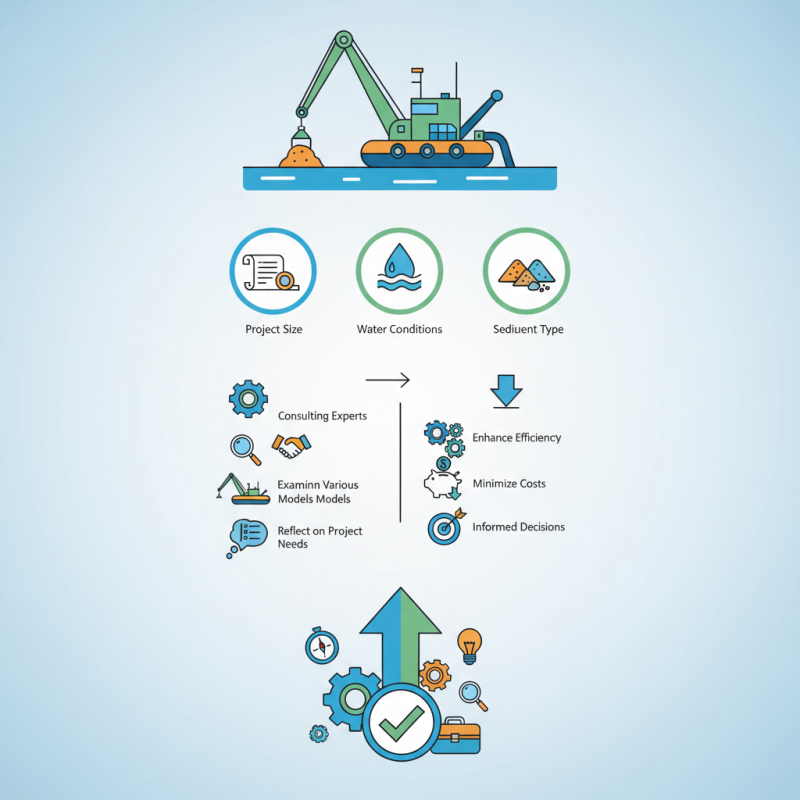
However, selecting the best suction dredger is not a straightforward task. Many factors come into play, including project size, water conditions, and sediment type. Consulting experts and examining various models can lead to informed decisions. It’s important to reflect on the specific needs of your project and choose a dredger that aligns with those requirements.
In this article, we will explore essential aspects to consider in your selection process. We will highlight key features, compare different types, and provide insights from industry professionals. This knowledge will help you make a confident choice for your suction dredger needs. Enjoy the journey of finding the ideal equipment for your next project.
Factors to Consider When Selecting a Suction Dredger
Choosing the right suction dredger for your project involves several key factors. Firstly, assess the project’s scale. Consider the depth and volume of sediment you need to manage. Are you working in shallow or deep waters? This decision influences the dredger's capacity and the power needed for effective operation.
Next, examine the dredging material. Is it sand, silt, or clay? Different materials require different suction technologies. Some dredgers excel in soft material, while others are better suited for harder compositions. Additionally, think about portability. A dredger that suits one site might not fit another. Heavy equipment can be challenging to transport, affecting project efficiency.
Don't overlook maintenance aspects. Regular servicing is essential for long-lasting performance. A machine that's easy to maintain saves time and money in the long run. Reflect on your team's expertise as well. If they lack experience, complexity in operation could lead to errors. Ensuring proper training can mitigate risks, enhancing project outcomes. Ultimately, each choice influences the project's success, so weigh all aspects carefully.
Types of Suction Dredgers and Their Applications
When selecting a suction dredger, understanding the various types is crucial. There are primarily three categories: trailing suction dredgers, cutter suction dredgers, and vacuum dredgers. Each serves a unique purpose and has distinct advantages. For instance, trailing suction dredgers are efficient for large-scale dredging tasks. They can operate in various water depths, making them versatile for projects like land reclamation and beach nourishment.
Cutter suction dredgers are known for their ability to remove harder materials. They utilize a rotating cutter head to break up soil or rock. According to a recent industry report, these dredgers are especially effective in shallow waters, where traditional dredging methods may struggle. Moreover, they can be used for mining operations and environmental remediation, providing necessary precision in sensitive areas.
Vacuum dredgers offer a different approach. They excel at removing silt and sediment from soft substrates. Their design allows for minimal disturbance to surrounding environments. However, these dredgers may be less effective in rocky conditions. In some cases, choosing the wrong type of dredger can lead to project delays or increased costs. Understanding the specific application requirements and site conditions will help ensure that the right suction dredger is chosen for optimal project outcomes.
Types of Suction Dredgers and Their Applications
Evaluating the Performance Specifications of Dredgers
Selecting the right suction dredger involves understanding its performance specifications. Key factors include suction depth, discharge distance, and pump capacity. Each project’s requirements dictate which specifications are most critical. A dredger's suction depth is vital for projects in deeper waters. Ensure the dredger can efficiently reach desired sediment layers.
Consider the dredger's pump capacity as well. Higher capacity pumps can handle larger volumes of material. This can significantly impact project timelines and overall effectiveness. Evaluating the relationship between pump speed and suction power can reveal which models are best suited for your specific needs.
Tips: Prioritize the dredger's operational versatility. Models that adapt to various sediment types often outperform specialized dredgers. Inspect performance data referenced from previous projects. Real-world operational insights offer a more practical perspective. Weigh both the specifications and user experiences for a well-rounded decision.
Budgeting and Cost Analysis for Dredging Projects
When budgeting for dredging projects, cost analysis is crucial. Various factors influence the overall expenses. Equipment costs, operational expenses, and labor must be considered. Reports indicate that dredging project costs can exceed $1 million per mile in certain regions. Understanding these costs will help make informed decisions.
Labor costs typically account for 30-40% of the budget. Skilled operators and support staff are essential. Furthermore, maintenance expenses for dredging equipment can add up quickly. Regular servicing is necessary to prevent costly breakdowns. It’s important to allocate funds for unexpected repairs to avoid disruptions.
Tip: Always leave a contingency fund. Aim for at least 10-15% of your total budget. This can help in unforeseen circumstances that may arise during the project.
In addition to labor, site preparation and environmental assessments are key expenditures. These tasks ensure compliance with regulations. Industry studies show that improper planning can inflate project costs by up to 20%. Reflecting on previous similar projects can provide insights into potential pitfalls and hidden costs.
Maintenance and Support Services for Suction Dredgers
Choosing the right suction dredger involves more than just the initial purchase. Maintenance and support services are vital for ensuring long-term efficiency and reliability. Regular maintenance can prevent costly downtime and extend the life of your dredging equipment.
It's crucial to establish a partnership with a reliable service provider. They should offer timely support, experienced technicians, and comprehensive maintenance contracts. Access to spare parts is also essential. This ensures that any repairs can be made quickly, keeping your operations smooth.
Tips: Schedule routine inspections to catch minor issues early. Invest in training for your operators on maintenance best practices. This can improve your dredger's performance and reduce the risk of breakdowns. Remember, neglecting maintenance can lead to ineffective operations and safety hazards. Reflect on your current maintenance strategies and consider adjustments for better results.