How to Choose the Best Medical Air Purifier for Your Home?
In today's world, the importance of clean air cannot be overstated. A medical air purifier plays a vital role in ensuring a healthier environment at home. Many families are now prioritizing air quality for their well-being. Choosing the right air purifier is essential, yet it can often be overwhelming.
When searching for a medical air purifier, factors like filter types and purification methods must be considered. Some models focus on specific particles or allergens. Others offer broader protection against bacteria and viruses. Each feature has its strengths and weaknesses. Understanding your specific needs is crucial. It may feel like a daunting task, but clarity will come with research.
Additionally, the size of your living space matters. A unit that works well in a small apartment may not suffice for larger homes. Users should be mindful of their choices. Even reputable brands may not meet everyone's expectations. Reflecting on personal requirements is key to finding the best solution.
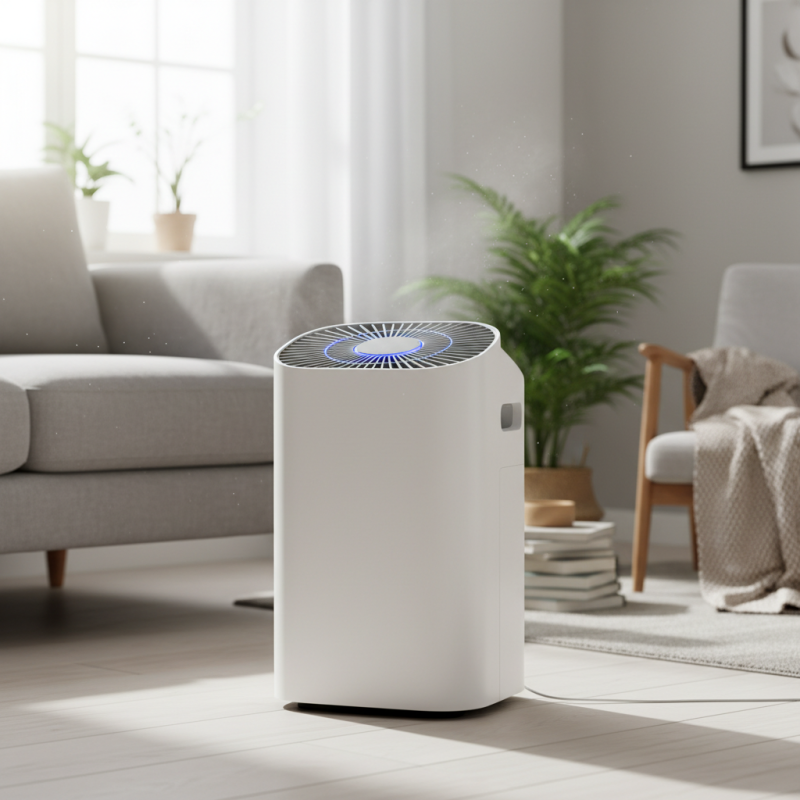
Understanding the Importance of Air Purifiers in Healthcare Settings
Air purifiers play a crucial role in healthcare settings. According to the Environmental Protection Agency (EPA), indoor air can be two to five times more polluted than outdoor air. This is alarming. In hospitals and clinics, airborne pathogens can lead to serious infections. Studies have shown that effective air purification can reduce airborne microbial counts by up to 95%. This statistic highlights the necessity of clean air in medical environments.
A significant aspect of air purifiers is their filtration system. HEPA filters capture 99.97% of particles as small as 0.3 microns. These tiny particles include dust, pollen, and bacteria. With the rise of infectious diseases, having efficient filtration is vital. However, many purifiers are placed incorrectly in healthcare facilities. Some units end up in corner rooms, reducing their effectiveness. Placement matters immensely; every corner counts in infection control.
Additionally, maintenance is often overlooked. Filters need regular replacement. A dirty filter can produce worse air quality than what was there before. Hospitals must prioritize consistent maintenance schedules. Regular checks ensure efficient operation. Understanding these nuances is important for healthcare managers. They hold the responsibility of keeping environments clean and safe.
Key Features to Look for in a Medical Air Purifier
When choosing a medical air purifier, focus on its filtration system. HEPA filters are essential. They can capture 99.97% of particles as small as 0.3 microns. This is crucial for reducing allergens, dust, and even some bacteria. Studies show that indoor air can be 2-5 times more polluted than outdoor air. It highlights the importance of effective filtration in our homes.
Another key feature to consider is the purifier's Clean Air Delivery Rate (CADR). This metric shows how quickly the unit can filter the air in a given space. For example, a CADR of 300 can efficiently cover a room of around 1,000 square feet. But be cautious. Not all units label this clearly. A purifier with a lower CADR can still be effective if used in smaller spaces.
Noise levels are also important. Many medical air purifiers operate at varying decibels. A unit that runs too loud can disrupt daily life, especially during nighttime use. Look for options labeled as "whisper-quiet." Even if they are more expensive, you’d likely appreciate the peace they provide. Remember that the best choice is not just about the price or brand; it’s about finding the right fit for your specific needs.
Key Features to Consider When Choosing a Medical Air Purifier
Types of Air Purification Technologies: HEPA, UV, and Ionizers
When selecting an air purifier for medical needs, understanding technologies is key. HEPA filters are highly effective. They trap 99.97% of particles, including dust, pollen, and pet dander. This level of filtration is crucial for those with allergies or respiratory issues. The downside is that HEPA filters need regular replacement, which can lead to additional costs.
UV purification is another option. It uses ultraviolet light to kill bacteria and viruses in the air. This technology often works well in conjunction with HEPA filters. However, it's important to note that UV alone may not capture larger particles. Some users find maintenance tricky. Cleaning the UV light and ensuring it functions properly can be cumbersome.
Ionizers are popular for their ability to charge particles. This causes them to clump together and settle out of the air. They can reduce airborne pollutants, but they may also produce ozone, which is a concern for some. Furthermore, ionizers require occasional cleaning to remain effective. When choosing an air purifier, consider these details and reflect on what will work best for your situation.
Selecting the Right Size and Coverage Area for Your Home
Choosing the right air purifier requires careful consideration of size and coverage area. An ideal purifier should effectively circulate air throughout the space in your home. Measure the room dimensions to determine how much square footage needs to be purified. This step is crucial.
Generally, air purifiers are rated for specific coverage areas. For instance, a unit that covers 300 square feet works well in small rooms. Larger rooms need more powerful units. If a purifier is too small, it won’t clean the air adequately. But a large purifier in a tiny space may create excess noise and energy waste.
Alongside size, pay attention to the air changes per hour (ACH) provided by the purifier. A higher ACH rating means more effective cleaning. That said, finding a balance between efficiency and noise levels can be tricky. Some units might sound like a jet engine, while others are so quiet you forget they're running. Consider your home’s habits. If you have pets or allergies, this becomes even more important. Don't rush the decision. Take time to research how different models fit your specific needs.
Maintenance and Replacement Guidelines for Optimal Performance
Maintaining your medical air purifier is crucial for optimal performance. Regular cleaning can prevent dust and allergens from accumulating. Many forget to check their devices regularly. A monthly wipe-down of the exterior with a damp cloth is a simple yet effective task.
Filters need special attention. Depending on usage, they should be replaced every 3 to 6 months. Some filters may last longer, but it’s better to replace them on the sooner side. Not changing filters can lead to poor air quality. A good tip is to set reminders on your phone for filter changes.
Monitoring the purifier's performance is also essential. If you notice reduced airflow or strange sounds, it may indicate an issue. Sometimes, users ignore these signs, thinking it’s normal. However, prompt checks can save headaches later. Make these maintenance habits part of your routine to ensure cleaner air in your home.