How to Choose the Best Residential Fire Rated Doors?
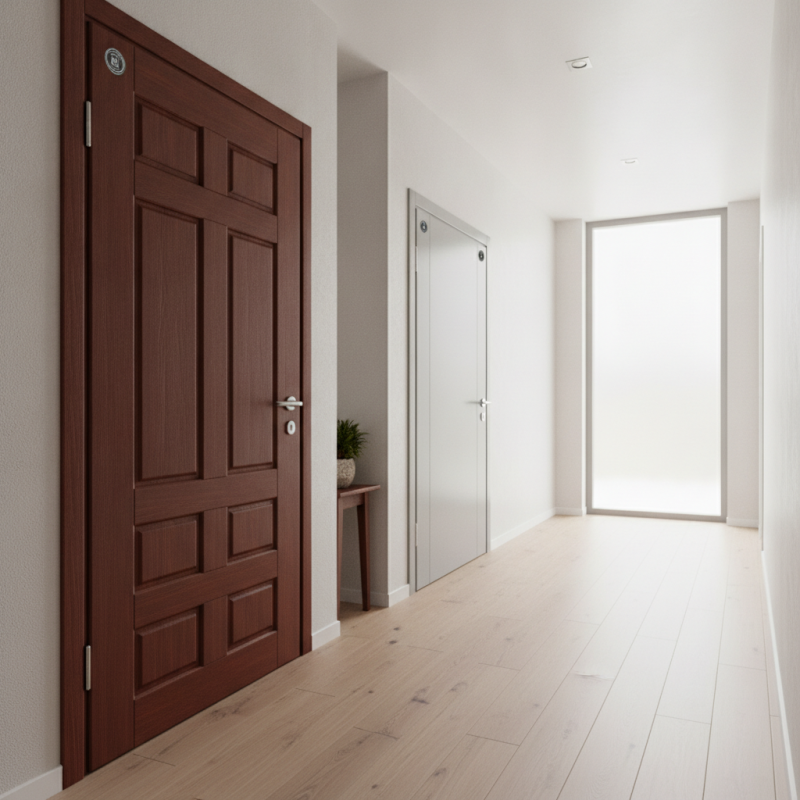
Choosing the right residential fire rated doors is essential for safety and peace of mind. These doors can be a crucial barrier against fire and smoke. They provide an extra layer of protection for your home and loved ones.
When selecting residential fire rated doors, consider materials and construction. Solid wood and steel are common choices. Ensure these doors meet local fire safety standards. Look for labels and certifications that confirm their ratings.
It's also important to think about design. Fire rated doors should blend with your home's aesthetic. They can be functional and stylish. However, finding the perfect balance might be challenging. Don't rush this decision. Take your time to evaluate your options.
Understanding Fire Rated Doors and Their Importance in Residences
Fire rated doors play a crucial role in enhancing safety in residences. They are designed to withstand fire for a specific period, preventing flames and smoke from spreading. This feature is vital during emergencies. Having these doors installed can significantly reduce risks and save lives.
In addition to their protective benefits, understanding the specifications of fire rated doors is key. Different doors offer various fire ratings, often indicated in hours. For instance, a 30-minute door provides basic protection, while a 90-minute door might be necessary for larger homes. You should consider the layout of your residence and the potential fire hazards present.
It's important to reflect on the installation process as well. Proper installation ensures the door will function as intended. Engaging with a certified professional is advisable. Training and expertise can make a difference. Even with the best products, poor installation can lead to failures. Fire rated doors can be a strong defense, but knowledge and careful planning are essential.
Key Factors to Consider When Choosing Residential Fire Rated Doors
When choosing residential fire rated doors, a few key factors should not be overlooked. Fire doors are vital for safety, acting as barriers to slow the spread of fire. They are rated based on the duration they can withstand a fire. Common ratings include 20, 30, 60, and 90 minutes. According to the National Fire Protection Association (NFPA), properly installed fire doors can reduce fatalities by 39%.
Pay close attention to the materials used in the door’s construction. Steel doors, for example, typically offer superior fire resistance compared to wooden doors. It’s also crucial to consider door seals and frames. Intumescent seals expand when heated, providing an enhanced barrier to smoke and flames. The Fire Protection Research Foundation states that gaps larger than 1/8 inch can compromise a fire door’s effectiveness. Many homeowners overlook the importance of proper installation and maintenance. Regular checks can prevent failures, but often, these practices are neglected.
Another factor to consider is the door’s aesthetic. While functionality is key, a fire rated door should also blend with your home’s design. Many doors now come in various styles, finishes, and colors. This ensures that safety does not come at the cost of visual appeal. However, market diversity can lead to indecision, making the selection process more challenging. Engaging with an expert can provide insights into regulatory compliance and product specifics, enhancing your decision-making.
Key Factors to Consider When Choosing Residential Fire Rated Doors
Different Types of Fire Rated Doors and Their Applications
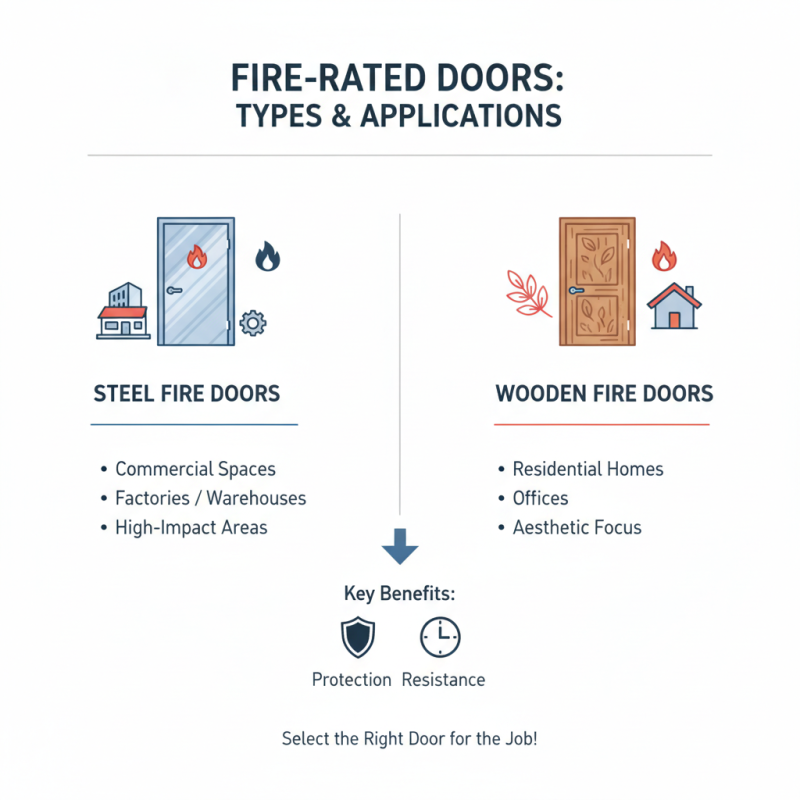
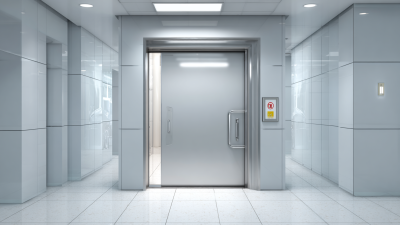
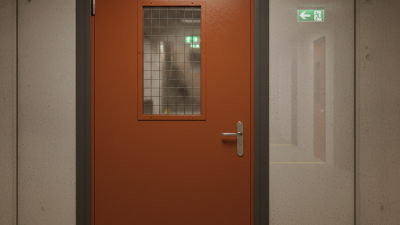
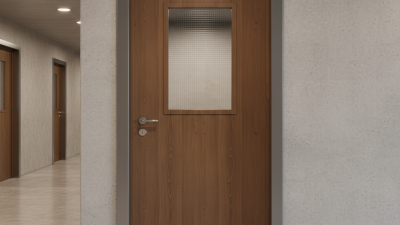
When selecting fire rated doors, understanding their types and applications is crucial. There are several types of fire rated doors designed for specific uses. Steel doors are commonly used in commercial spaces. They provide strong protection against fire and are resistant to impact. Wooden fire doors, on the other hand, are ideal for homes. They blend aesthetics with safety, often used in residential areas.
Another type is the glass fire door. These allow visibility while providing fire resistance. They are often seen in offices and public buildings. Then, there are rolling fire doors. These are beneficial in warehouses, providing a barrier that doesn’t take up much space. Each type serves a unique purpose, enhancing fire safety in various environments.
However, the selection process can be confusing. Some individuals may overlook proper installation, which affects performance. Fire rated doors need precise fitting to function correctly. Ignoring maintenance can also lead to deterioration. Regular checks should be part of a fire safety plan. Understanding the specifics allows better decisions, ensuring safety in residential settings.
How to Properly Install and Maintain Fire Rated Doors
Proper installation of fire rated doors is crucial. These doors must fit securely within their frames. Gaps can create pathways for smoke and flames. Ensure the door swings freely and does not rub against its frame. A tight seal is necessary to maintain effectiveness during a fire emergency.
Maintenance is equally important for fire rated doors. Regular inspections should be conducted. Check for any signs of wear, such as cracks or rust. Replace any damaged hardware immediately. It’s essential to keep the door free from obstructions. This means ensuring no furniture or other items block the door's operation. Over time, hinges may squeak or become loose. Lubricate them as needed to keep the door functional.
Installing and maintaining fire rated doors is not just about compliance. It’s about safety. Improper installation can lead to failure during a fire. Regular checks will ensure that your fire rated doors can perform their vital function in an emergency. Everyone must be aware of their importance and take action.
How to Choose the Best Residential Fire Rated Doors? - How to Properly Install and Maintain Fire Rated Doors
| Criteria |
Details |
Importance |
Maintenance Tips |
| Material |
Steel, wood, and composite options are available. |
High - affects insulation and durability. |
Inspect for rust or damage, especially for steel doors. |
| Fire Rating |
Common ratings include 20, 30, 60, and 90 minutes. |
Critical - dictates the level of protection. |
Regularly check certification labels are intact. |
| Installation |
Should be installed by a professional to ensure safety standards. |
Very High - improper installation can reduce effectiveness. |
Ensure door aligns properly with frame; avoid gaps. |
| Seals and Gaskets |
Intumescent seals that expand when heated. |
High - crucial for smoke containment. |
Check seals regularly and replace if worn out. |
| Compliance |
Must comply with local fire codes and regulations. |
Essential - ensures legal and safety requirements. |
Keep documentation up-to-date and accessible. |
Complying with Building Codes and Regulations for Fire Safety
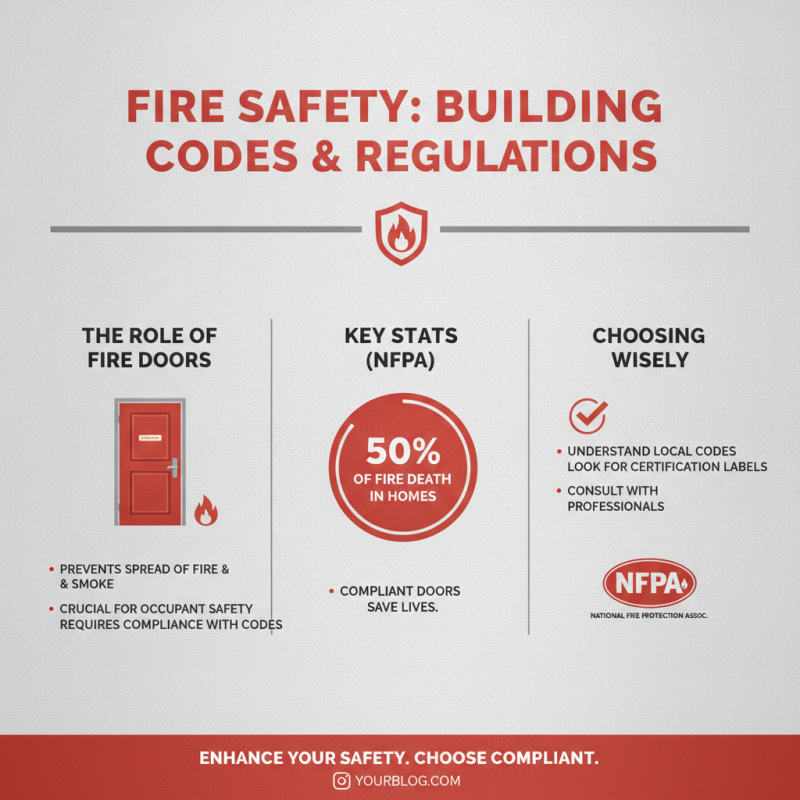
Choosing fire-rated doors involves understanding building codes and regulations that ensure safety. Fire-rated doors play a crucial role in preventing the spread of fire and smoke. According to the National Fire Protection Association (NFPA), nearly 50% of fire-related deaths occur in residential settings. Therefore, choosing compliant doors can significantly enhance safety.
Building codes, such as the International Building Code (IBC), mandate specific ratings for residential fire-rated doors. A common requirement is a door with a 20-minute fire-resistance rating. This means the door can withstand flames for at least 20 minutes, providing essential time for occupants to escape. It's vital to check local codes. Some areas may have stricter requirements based on past incidents.
Installation is another critical aspect of compliance. Doors should be fitted properly with appropriate frames and hardware. In a survey by the Fire Protection Research Foundation, 35% of inspected fire doors were found to be non-compliant due to poor installation. This emphasizes the importance of having professionals handle installation to ensure reliability. Fire-rated doors can save lives, but they must meet regulations to be effective.