How to Choose the Right Safety Glass Windows for Your Home or Business
Choosing the right safety glass windows for your home or business can feel overwhelming. Various options are available, each offering unique benefits and drawbacks. Safety glass windows come in different types, such as tempered and laminated glass. Understanding these differences is crucial in making an informed decision.
When selecting safety glass windows, consider your specific needs. Think about aesthetics, security, and energy efficiency. Each aspect plays a vital role in your choice. A well-considered option enhances safety while complementing your property’s style. Yet, finding the perfect balance can be challenging. Sometimes, the ideal choice may not be clear, and that’s okay.
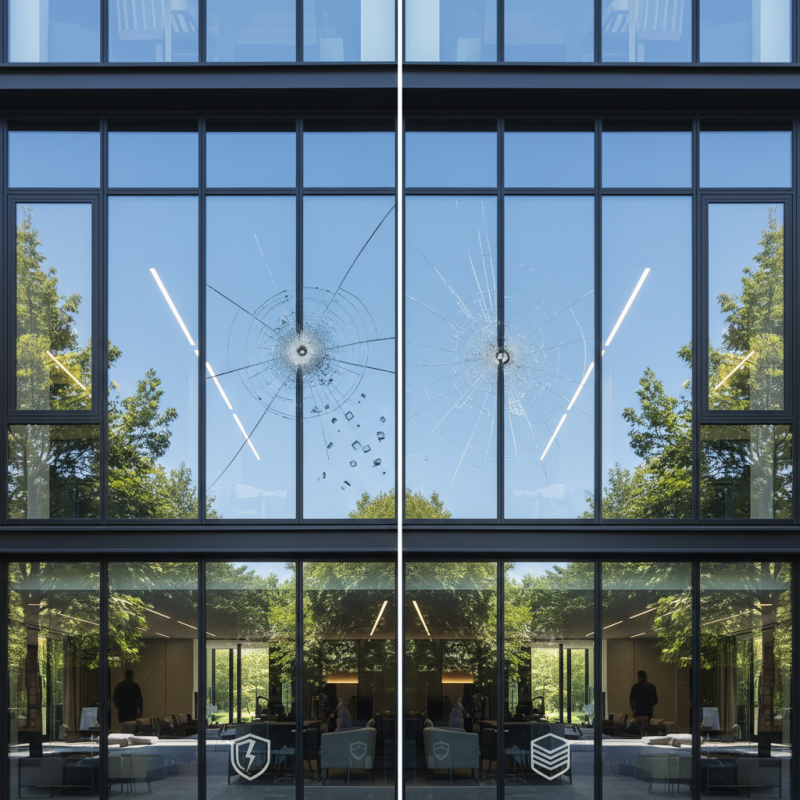
It's essential to weigh the pros and cons of each type. For instance, tempered glass is strong but can shatter upon impact. Laminated glass provides better safety but may be costlier. Each selection carries potential risks or limitations. Reflecting on these aspects can help pinpoint what’s best for your situation. Ultimately, ensuring your safety is paramount, but clarity in your choices is equally important.
Understanding Different Types of Safety Glass Windows Available
When choosing safety glass windows, it's essential to understand the types available.
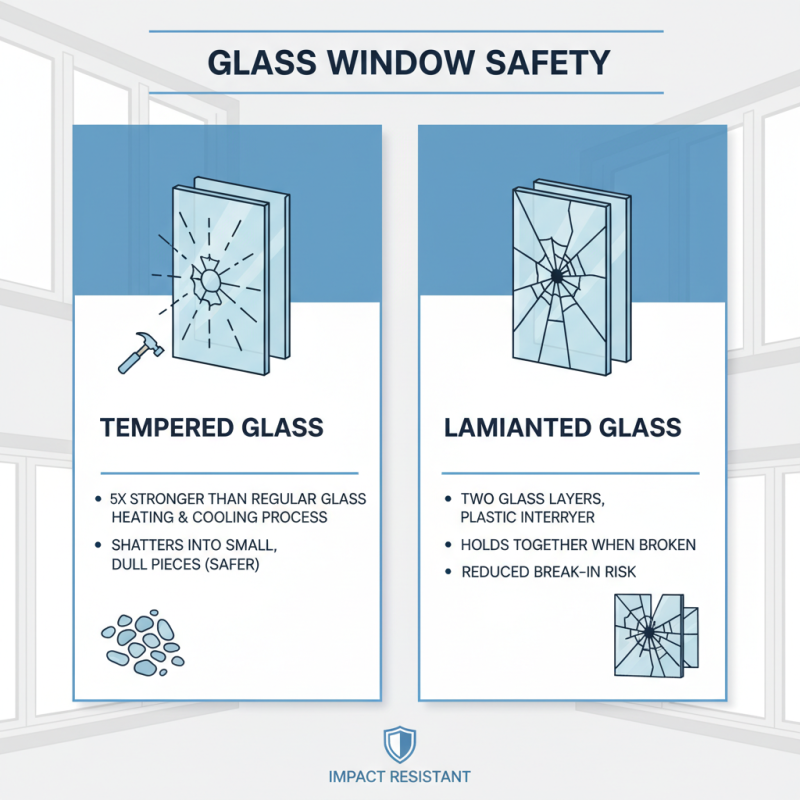
Tempered glass is highly popular for its strength and resistance to thermal stress. According to the American National Standards Institute (ANSI), tempered glass can withstand temperatures of up to 250°F. This makes it ideal for areas prone to high heat, like kitchens.
Laminated glass is another option worth considering. This type consists of two glass layers with a plastic interlayer. It offers excellent sound insulation and security.
Studies show that laminated glass can reduce noise by up to 50%. It’s particularly beneficial for homes or businesses near busy streets. However, installation can be more costly than standard glass.
Not all safety glass types suit every application. Understanding the context of use is crucial. For instance, while laminated glass is great for soundproofing, it may not be the best for areas that experience high impacts.
Assessing your specific needs can prevent unnecessary expenses and ensure adequate protection. Balancing safety requirements with budget constraints often leads to tough decisions.
Ensuring the right selection could save money and enhance security in the long run.
Assessing Security Needs for Your Home or Business Environment
When thinking about safety glass windows, assessing the security needs of your home or business is crucial. Start by identifying vulnerable areas. Is your property near a busy street or secluded? High-traffic locations generally require stronger security measures. Consider the level of foot traffic. More people around can deter potential threats.
Next, evaluate past incidents. Has your area experienced break-ins or vandalism? Local crime statistics can help you understand risks. Observing your property during different times is useful. Note when it feels most vulnerable. For example, evenings or during holidays might show less activity.
Think about how you use your space. An office might need more visibility, while a home requires privacy. Glass windows can be both secure and aesthetically pleasing. However, not all types offer the same level of protection. It's important to choose materials that meet your specific needs. Balancing security and comfort might lead to tough decisions.
How to Choose the Right Safety Glass Windows for Your Home or Business
| Window Type |
Material |
Security Rating |
Energy Efficiency |
Cost Range |
| Laminated Glass |
Glass |
High |
Good |
$50 - $100 per sq. ft. |
| Tempered Glass |
Glass |
Medium |
Fair |
$30 - $70 per sq. ft. |
| Polycarbonate |
Plastic |
Very High |
Excellent |
$40 - $90 per sq. ft. |
| Double Glazed |
Glass |
Medium |
High |
$60 - $120 per sq. ft. |
| Bullet Resistant |
Glass + Polycarbonate |
Very High |
Fair |
$100 - $300 per sq. ft. |
Evaluating Impact Resistance and Safety Ratings of Glass Options
When evaluating impact resistance and safety ratings for glass windows, it’s crucial to understand how glass types differ. Typically, tempered glass and laminated glass are popular for residential and commercial applications. Tempered glass, known for its strength, undergoes a heating and cooling process. This makes it about five times stronger than regular glass. However, when broken, it shatters into tiny pieces, reducing the risk of serious injury.
On the other hand, laminated glass features a polymer layer between two sheets of glass. This type holds together when shattered, minimizing risk. According to a report by the Glass Association, laminated glass offers better sound insulation too, making it a great option for busy areas. It's important to balance safety with cost. While laminated glass may be pricier, the added durability can offer long-term savings.
Local building codes often dictate safety requirements for windows. Homeowners may find differing safety ratings on labels. It's essential to assess these ratings carefully. A false economy could lead to potential dangers later. Asking for more information from professionals or contractors might be needed. Safety should never be compromised for aesthetics alone.
Considering Energy Efficiency and Insulation Properties
When choosing safety glass windows, energy efficiency is crucial. According to the U.S. Department of Energy, windows account for 25% to 30% of residential heating and cooling energy use. Selecting the right glass can reduce energy bills. Double-glazed windows can improve insulation by up to 50%. The air gap between the panes acts as a barrier, reducing thermal transfer.
Insulation properties matter. Low-emissivity (Low-E) coatings can increase efficiency. These coatings reflect heat while allowing light to pass. They can reduce energy loss by 30% to 50%. However, not all homes benefit equally from Low-E glass. Local climate and orientation impact effectiveness. In some regions, traditional glass may suffice.
It's essential to assess framing materials as well. Vinyl frames provide better insulation than aluminum frames. However, aluminum can offer a sleek design. Homeowners face a trade-off. Aesthetic appeal can clash with energy needs. These decisions can be complex. Balancing style and efficiency requires careful thought. Every detail counts in achieving optimal performance.
Energy Efficiency and Insulation Properties of Safety Glass Windows
Choosing the Right Frame and Installation Method for Safety Glass
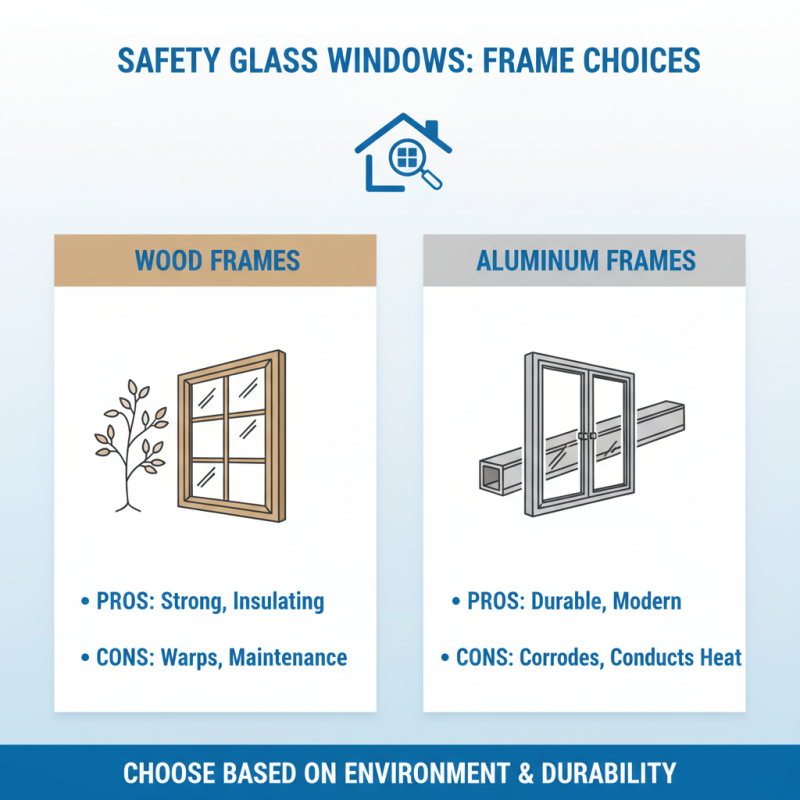
Choosing the right frame for safety glass windows is crucial. A sturdy frame enhances the glass’s protective qualities. Wood and aluminum are popular options, but neither is flawless. Wood can warp over time, while aluminum may corrode. Consider the environment around your home or business.
Installation method matters too. Professional installation is often recommended. Incorrect installation can lead to gaps and weak points. These flaws may reduce the glass's effectiveness. Some might opt for DIY solutions, thinking it saves money. However, lack of experience can lead to costly mistakes.
Think about energy efficiency when choosing frames. Insulated frames can help reduce energy bills. However, they may also cost more upfront. Reflect on your long-term needs versus immediate savings. The balance can be tricky, and it's worth pondering the best approach for your unique situation.