How to Choose the Right Labor Protection Gloves for Safety?
Choosing the right Labor Protection Gloves is vital for workplace safety. According to the National Safety Council, hand injuries account for roughly 20% of workplace injuries. These injuries can lead to significant costs, both financially and physically. It's critical to select gloves that provide adequate protection without compromising dexterity.
The market offers various types of labor protection gloves, each designed for specific risks and tasks. Studies show that the right gloves can reduce hand injuries by up to 70%. However, many workers still wear improper gloves, risking their safety. This highlights the need for proper education and resources about glove selection.
Understanding material types, cut-resistance levels, and grip technologies can be overwhelming. Often, workers overlook essential factors like comfort and fit. Comfort is key; otherwise, workers may choose not to wear them. More importantly, safety should never be compromised. By being informed and making careful selections, employers can enhance workplace safety and reduce injury rates.
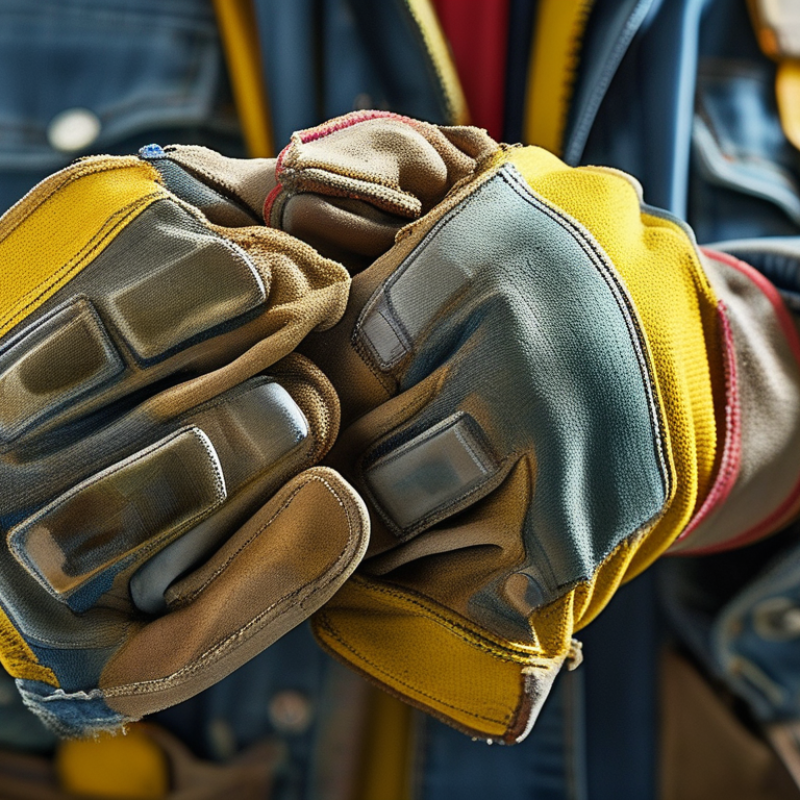
Understanding the Different Types of Labor Protection Gloves Available
When selecting labor protection gloves, understanding the variety is crucial for safety. Different tasks require specific glove types. For instance, cut-resistant gloves are essential in industries that handle sharp materials. They provide adequate protection against injuries while maintaining dexterity. However, workers often overlook the need for proper sizing, which can negate the benefits of these gloves.
Another common type is chemical-resistant gloves. These are vital in environments where exposure to hazardous substances occurs. However, workers must understand the chemicals they handle. Many choose gloves without knowing their protective capabilities or limitations. This gap in knowledge can lead to serious health risks.
Disposable gloves are popular for short-term tasks. While convenient, they often lack durability. These gloves can tear easily, compromising safety. Workers may feel they're protected, yet don’t realize the risks of using a single-use glove repeatedly. It's essential to identify the right level of protection needed for each job type. The right gloves enhance safety, but understanding their types and limitations is just as important.
Assessing the Specific Risks and Hazards in Your Work Environment
When selecting labor protection gloves, it is essential to assess the specific risks and hazards within your work environment. Different jobs expose workers to unique dangers, from sharp objects to hazardous chemicals. A thorough evaluation of these risks helps determine the level of protection required. For example, if you're working with heavy machinery, gloves that offer cut resistance are crucial.
Consider the materials used in the gloves. Leather, rubber, and synthetic materials each serve distinct purposes. If you frequently handle materials with sharp edges, leather may offer durability. However, if chemical exposure is a concern, opt for gloves specifically designed for that use.
When in doubt, consult safety professionals or conduct a risk assessment. This can reveal overlooked hazards and ensure the right glove is chosen. Be aware that comfort and fit are equally essential; poorly fitting gloves can lead to accidents. Pay attention to your environment as well. Dusty or oily conditions may require gloves with added grip. Balance protection and usability for optimal safety.
Evaluating Material Quality and Durability of Gloves
When selecting labor protection gloves, evaluating the material quality and durability is crucial. Different industries have varied requirements. For instance, construction workers often need gloves resistant to cuts and abrasions, while those in chemical handling require materials that can withstand harsh substances. According to a report by the National Safety Council, lacking proper hand protection results in over 100,000 workplace injuries annually, emphasizing the need for appropriate glove selection.
There are common materials used in glove manufacturing. Leather gloves offer durability and resistance to wear. However, they may not provide sufficient protection against chemicals. Synthetic materials, such as nitrile, offer excellent chemical resistance. A study published in the Journal of Occupational and Environmental Hygiene highlighted that nitrile gloves reduced dermal exposure to hazardous substances by 90%. However, their lifespan can vary based on usage, which complicates durability assessments.
Proper testing is essential to ensure gloves can withstand specific conditions. Some gloves may appear robust but fail under stress. The ASTM International provides guidelines on glove performance for various applications. Regularly checking the integrity and condition of gloves is necessary. Damage or wear compromises the protection they offer. Therefore, understanding material quality and durability significantly enhances workplace safety.
Choosing the Right Fit and Comfort Features for Optimal Safety
Choosing labor protection gloves involves more than just picking a pair off the shelf. The fit and comfort of the gloves play a crucial role in ensuring safety at work. When gloves are too tight, they can restrict movement and cause fatigue. Conversely, loose gloves might slip off and expose hands to hazards. Measuring your hand size accurately can make a significant difference in selecting the right gloves.
Look for features that enhance comfort, like breathable materials and ergonomic designs. These aspects can help you wear gloves for longer without discomfort. It’s also worth considering gloves with additional padding. This can provide extra protection during repetitive tasks. However, remember that extra cushioning might sacrifice some dexterity. Balancing comfort with functionality is essential. Be mindful and reflect on how the gloves feel during use. A moment of discomfort can lead to long-term issues.
Finally, the right gloves should suit the specific tasks at hand. Some environments may require more grip, while others demand flexibility. Understand the risks associated with your workplace. This awareness helps in making informed choices. Don’t hesitate to try different styles until you find what truly works.
Understanding Maintenance and Care for Prolonging Glove Lifespan
Proper maintenance and care are essential for prolonging the lifespan of labor protection gloves. Keeping gloves clean is crucial. Dirt and sweat can degrade materials over time. Regularly washing gloves according to manufacturer guidelines can help maintain their integrity. Avoid harsh chemicals, as they may weaken the fabric. Instead, opt for mild soaps and cool water.
Storage matters too. Improper storage can lead to deformation. Always store gloves in a cool, dry place away from direct sunlight. Hanging them or placing them flat can help preserve their shape. Check gloves for wear and tear frequently. Small rips can turn into larger problems if ignored.
Lastly, reflect on your usage habits. Overusing gloves beyond their recommended lifespan can compromise safety. Consider how often you work in hazardous conditions. If gloves show signs of aging, it’s time for a replacement. Remember, these steps may seem trivial, but they significantly affect your protection.