How to Choose the Right Fire Rated Glass for Your Building Needs?
Choosing the right fire rated glass is crucial for any building project. This type of glass plays a vital role in safety and compliance. It helps to prevent the spread of fire and smoke, protecting lives and property. Various options are available, making the selection process daunting.
Different buildings have unique requirements. Some may need fire rated glass for interior partitions, while others require it for exterior windows. Each application may have different fire ratings and performance criteria. Understanding these needs is essential to make an informed choice.
Moreover, not all fire rated glass is created equal. Some products may lack brand recognition or meet critical standards. This can lead to confusion when selecting the right option. It is important to consider quality, certifications, and manufacturer reputation. Overall, careful evaluation is necessary.
Understanding Fire Rated Glass and Its Importance in Building Safety
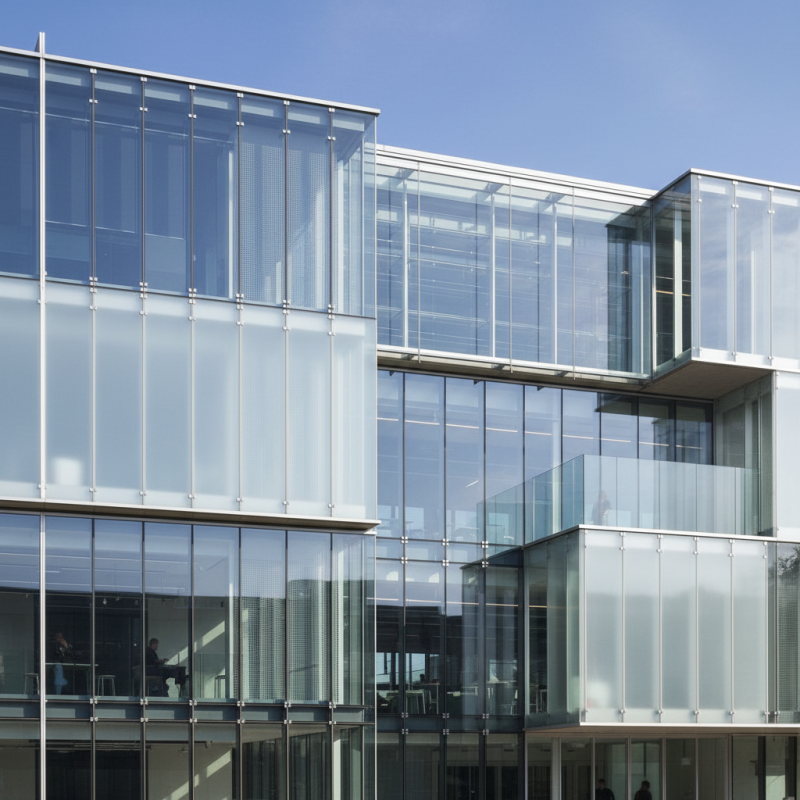
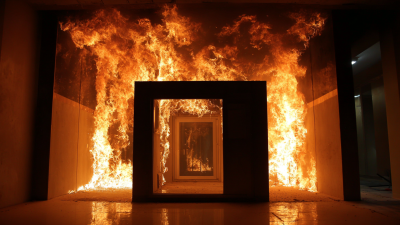
Fire rated glass plays a crucial role in modern building safety. It is designed to withstand high temperatures. This material is not just about aesthetics; it serves a vital purpose. In the event of a fire, it helps contain flames and smoke, protecting occupants. The transparency of fire rated glass allows for visibility while maintaining safety.
However, not all fire rated glass is the same. Different buildings have unique requirements. Choosing the right type is essential. Factors like location, size, and intended use influence the decision. For instance, areas with high foot traffic may require more robust options. On the other hand, less trafficked spaces might have different needs.
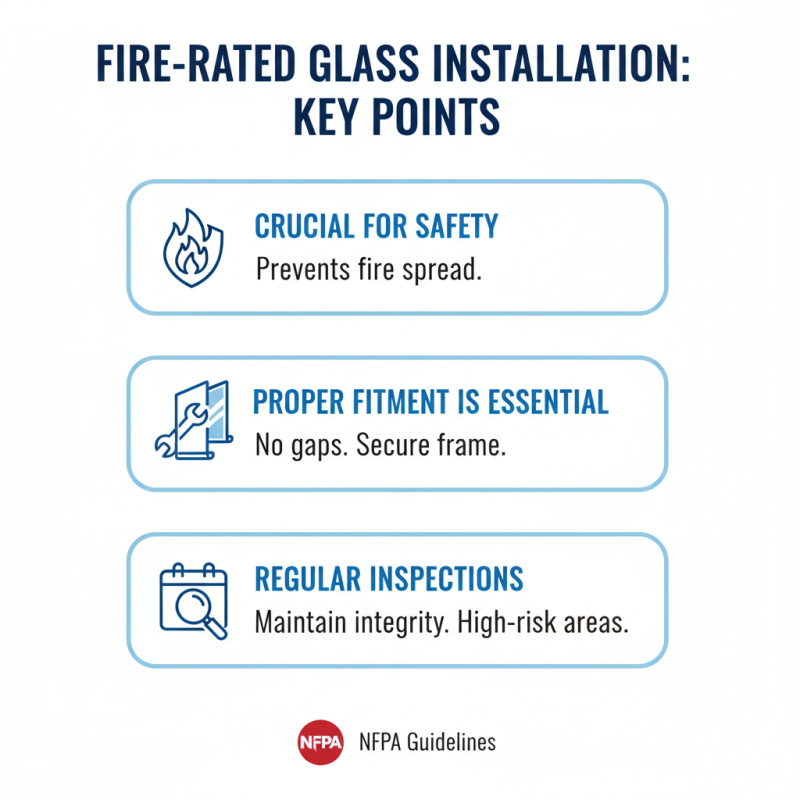
The importance of proper installation cannot be overlooked. Poor installation can compromise effectiveness. This raises questions about how frequently we review our safety measures. Regular assessments help identify potential weaknesses.
Understanding fire rated glass is about more than just compliance. It is about proactive safety. We often assume our buildings are secure. Yet, the reality can be different. Fire rated glass should be part of an ongoing safety strategy. Each choice should reflect a commitment to protecting lives. Are we truly doing enough to safeguard our environments?
Types of Fire Rated Glass and Their Specific Applications
When choosing fire-rated glass for your building, it’s crucial to understand the different types available.
Tempered glass is often used for doors and sidelights. It can withstand high temperatures and break into small pieces, reducing injury risk. Laminated glass, on the other hand, consists of multiple layers, providing additional security and structural integrity. This type is suitable for windows in fire-rated assemblies.
Fire-rated glazing solutions vary in ratings. Some can last up to 60 minutes, providing critical protection during emergencies. A recent industry report highlighted that buildings using fire-rated glass significantly reduce property damage. The specific application of each type should align with your building's design and safety requirements.
Tip: Always consult fire safety codes specific to your region. This ensures compliance and protection.
Another option is Pyroceram glass. It offers high thermal resistance and is suitable for areas needing visibility, such as fire corridors. However, it may be more expensive. Understand your budget constraints before installation.
Tip: Consider the long-term benefits versus initial costs. Prioritize safety and durability in your decision-making process.
Key Factors to Consider When Selecting Fire Rated Glass
When selecting fire rated glass, understanding key factors is essential. Fire rated glass must comply with safety standards. The National Fire Protection Association (NFPA) highlights this necessity in their guidelines. Choosing the right thickness is crucial. Thicker glass can provide better fire resistance, typically between 60 to 90 minutes.
Consider the placement of the glass too. Interior settings may have different requirements than exterior walls. Smoke control is a vital concern. Studies show that up to 30% of fire-related injuries result from smoke inhalation. Types of fire rated glass vary, including tempered, laminated, and ceramic options. Each type offers different levels of protection and clarity.
Aesthetic appeal shouldn’t be overlooked. Balancing functionality with design is tricky. High-performance glass can repel heat while allowing light. However, the cost can be higher. Budgets might not accommodate extensive use. Review your building's specific needs carefully. The right choice isn't just about safety but also about practicality.
Fire Rated Glass Selection Overview
Regulatory Standards and Compliance for Fire Rated Glass
When selecting fire rated glass, understanding regulatory standards is essential. Different regions have specific requirements. Compliance ensures safety and functionality. According to the National Fire Protection Association (NFPA), fire rated glass can withstand temperatures over 1,000°F for at least 30 minutes. It is vital to confirm that the product meets these standards.
For commercial buildings, adherence to standards like ASTM E119 is crucial. This standard tests how long a material can resist fire. The results are often detailed in product data sheets. However, some may overlook this documentation, assuming all fire rated glass is equivalent. This misconception can lead to severe safety risks.
Many buildings fail to regularly update their fire safety materials. Data from the International Code Council (ICC) indicates that 30% of older buildings do not meet current fire safety codes. This gap highlights the need for diligent compliance reviews. Updating the glass to meet regulatory standards can be an overlooked necessity. It's crucial to prioritize life safety in building designs.
How to Choose the Right Fire Rated Glass for Your Building Needs? - Regulatory Standards and Compliance for Fire Rated Glass
| Type of Fire Rated Glass |
Fire Rating Duration |
Typical Applications |
Compliance Standards |
| Wired Glass |
20 minutes |
Interior doors, window protections |
ASTM E119 |
| Laminated Fire Rated Glass |
60 minutes |
Exterior glazing, facades |
UL 9 |
| Insulated Fire Rated Glass |
90 minutes |
Commercial buildings, atriums |
NFPA 80 |
| Ceramic Glazing |
120 minutes |
Egress paths, multi-story corridors |
EN 13501-2 |