2026 How to Choose Fire Rated Glass Doors for Your Building Safety?
When designing a safe building, the choice of fire rated glass doors is crucial. These doors serve as a barrier against flames and smoke, protecting occupants and property. Fire rated glass doors come in various designs, enhancing aesthetics while ensuring safety.
Selecting the right type can be overwhelming. You must consider material, thickness, and fire rating. An informed choice can make a significant difference in emergencies. Sometimes, even the most beautiful designs lack the essential safety features.
Regular inspections are important to maintain their effectiveness. Ensure that you know the latest safety standards. Fire rated glass doors are more than just beautiful components; they are vital to building safety. As you navigate your options, remember to focus on both form and function. The weight of this decision is significant, and the impact can be lasting.
Understanding Fire Rated Glass Doors and Their Importance
Fire rated glass doors serve a crucial role in enhancing building safety. They provide a barrier to fire and smoke, protecting occupants and property. According to the National Fire Protection Association (NFPA), nearly 1,300,000 fires occur each year in the U.S., highlighting the need for effective safety measures. Fire rated glass doors can withstand high temperatures, ensuring safe evacuation routes.
When choosing fire rated glass doors, consider their certification. Look for doors that meet standards set by organizations like Underwriters Laboratories (UL). Doors must undergo rigorous testing to achieve fire resistance ratings. A report from the International Code Council (ICC) indicates that proper installation can increase effectiveness by up to 30%.
Tips: Always check for the latest safety codes in your area. Ensure the doors align with your building’s overall fire strategy. Also, consider maintenance. Fire rated glass can show wear over time. Regular checks help maintain visibility and integrity.
In some cases, fire rated glass doors may not offer complete protection. They can fail if not installed correctly, or if they’re damaged. Being aware of these factors can lead to better safety decisions. Always consult professionals when selecting and installing these doors.
Key Factors to Consider When Selecting Fire Rated Glass Doors
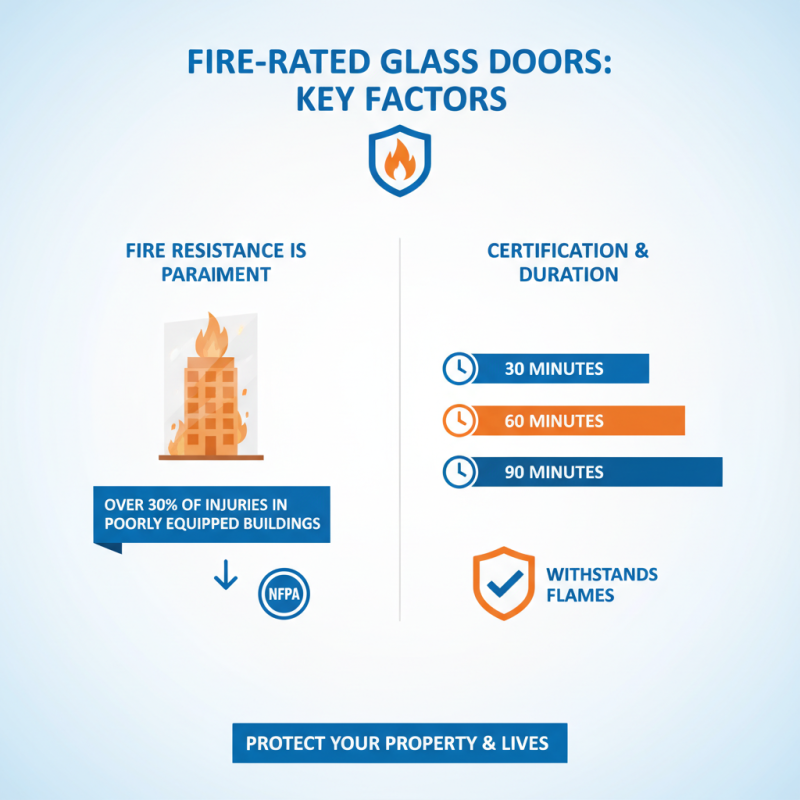
When selecting fire rated glass doors, several key factors come into play. Fire resistance is paramount. According to the National Fire Protection Association (NFPA), over 30% of fire-related injuries occur in buildings poorly equipped with safety measures. Fire rated glass doors should have a certification indicating they can withstand flames for a specific duration, typically 30, 60, or 90 minutes.
Additionally, aesthetic considerations are crucial. Architects and building owners often want doors that are not only functional but also visually appealing. Clear fire rated glass can enhance light transmission while still providing safety. However, it's essential to strike a balance between design and safety. Some may prioritize looks over protection, but that can lead to significant risks.
Lastly, installation plays a critical role. Even the best fire rated glass doors can fail if improperly installed. A report from the Glass Association reveals that improper installation is a common issue, often leading to gaps that can compromise fire resistance. Therefore, collaborating with experienced professionals is vital to ensure the integrity of the installation process. This approach provides the best chance to maintain safety and compliance in your building.
Regulations and Standards Governing Fire Rated Glass Doors
When selecting fire rated glass doors, understanding the regulations and standards is crucial. These regulations ensure safety during emergencies. They dictate the minimum requirements for fire resistance. The type of glass used and its framing also matter. Compliance with local laws is non-negotiable.
Tips: Always verify the fire rating before purchasing. Ratings indicate how long the glass can withstand flames. Choose doors that meet or exceed your local building codes. Inspect installation methods as well. Proper installation affects performance during a fire.
Fire rated glass doors must pass specific tests. They sometimes need to be tempered or laminated. This process makes them stronger against heat. However, not all options are suitable for every building. Assess the intended use and fire risk level carefully. Reflect on how these choices impact safety and compliance.
Fire Rated Glass Doors: Compliance with Safety Standards
Types of Fire Rated Glass Doors and Their Applications
Fire rated glass doors come in various types, each suited for different applications. Tempered glass doors offer strong resistance to heat and impact. They are often used in commercial buildings for entrances and areas requiring visibility. Laminated glass doors have a unique layer that holds shattered pieces together. This type is ideal for hospitals and schools, where safety is a priority.
Another option is wire glass doors, which consist of glass with a wire mesh embedded. They provide both fire resistance and security. However, they can be less aesthetically pleasing, which may be a concern for some designers. Insulating glass doors are energy-efficient, maintaining temperature while providing fire protection. Consider their placement carefully, as they might be less durable in high-traffic areas.
**Tips:** Always assess the specific needs of your building. Understand the requirements based on local codes and regulations. Collaborate with fire safety experts for the best solutions. Also, remember that costs can vary significantly. Budget for quality materials that ensure safety and longevity. Don't overlook aesthetic aspects; it impacts the overall feel of your space.
Installation and Maintenance Tips for Fire Rated Glass Doors
When selecting fire-rated glass doors, installation is crucial. Proper placement can significantly impact safety. Ensure that the frames are sturdy and compatible with the door. Installation should strictly follow the manufacturer’s guidelines. Every gap should be sealed correctly to maintain fire resistance. Mistakes can lead to dangerous vulnerabilities.
Maintenance is equally important. Regular inspections are necessary to check for signs of wear. Look for scratches or cracks in the glass. These can weaken the door's fire rating. Lubricate the moving parts to ensure smooth operation. If there are any concerns, consult with a professional. Ignoring small issues can lead to bigger problems.
Consider the environment where the doors are installed. Humidity and temperature changes can affect performance. Be aware of how weather impacts the door frame. After installation, periodic assessments will help maintain safety standards. Remember, fire-rated doors are not just functional; they are life-saving features. Neglecting them could have severe consequences.