How to Choose Exterior Glass Walls for Residential Spaces in 2026?
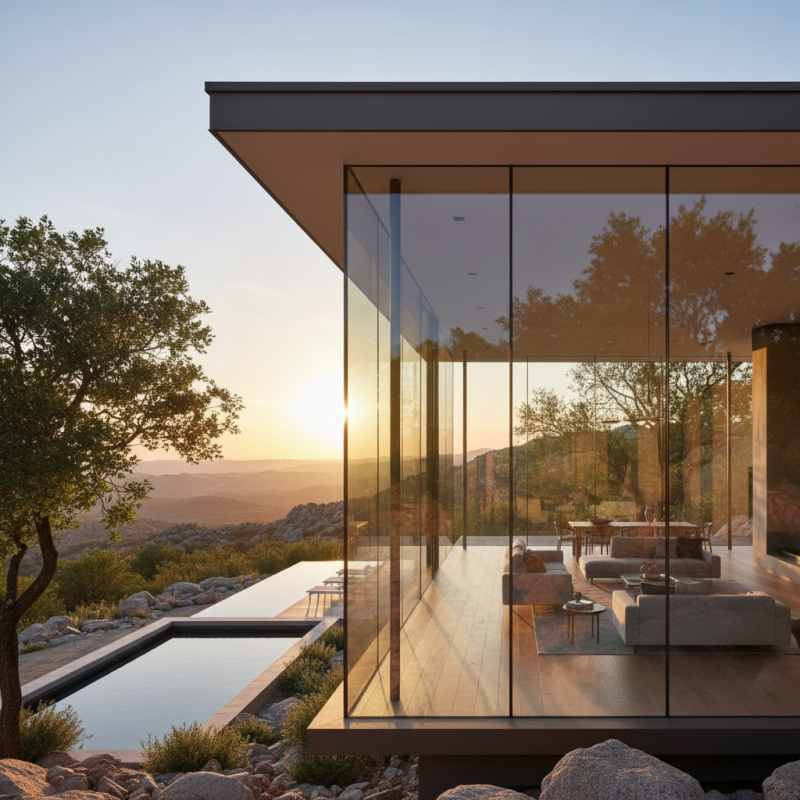
In 2026, choosing exterior glass walls for residential spaces is more important than ever. Recent industry reports indicate a growing trend, with nearly 60% of new homes featuring these innovative designs. Exterior glass walls residential can enhance natural light and provide breathtaking views. They also create a seamless transition between indoor and outdoor environments.
However, selecting the right exterior glass walls involves careful consideration. Energy efficiency is crucial, as poorly insulated glass can lead to significant heating and cooling costs. Reports suggest that around 30% of a home's energy loss occurs through windows and doors. Furthermore, aesthetic appeal is subjective; not every design suits every environment. Homeowners must evaluate the surrounding landscape when choosing.
In addition, safety and durability should not be overlooked. The correct glass type can prevent shattering and improve insulation. Various options exist, but not all are ideal for every climate. It's essential to balance style, practicality, and long-term performance. Making an informed choice now can lead to a stunning and functional home in the years to come.
Factors Influencing the Selection of Exterior Glass Walls in 2026
When considering exterior glass walls for residential spaces in 2026, several factors come into play. Energy efficiency is paramount. Recent reports indicate that homes with high-performance glass can save up to 30% on energy costs compared to traditional walls. In an era where sustainable living is key, efficient glass solutions can be a game-changer.
Aesthetic appeal is also significant. Experts note that the demand for sleek, modern designs continues to rise. Innovations lead to a variety of options, allowing homeowners to select styles that resonate with their personal taste. However, the right choice often requires balancing aesthetics and functionality. Some designs may not offer the same durability or insulation properties.
Furthermore, safety and durability cannot be overlooked. Many homeowners struggle with the idea of fragile glass, despite advancements in technology. Statistical data show that 20% of homeowners express concerns about potential breakage. Moreover, the maintenance of glass walls can be challenging. Regular cleaning and potential repairs may add to the long-term costs, creating a need for thorough planning.
Factors Influencing the Selection of Exterior Glass Walls in 2026
Understanding the Benefits of Different Glass Types for Home Exteriors
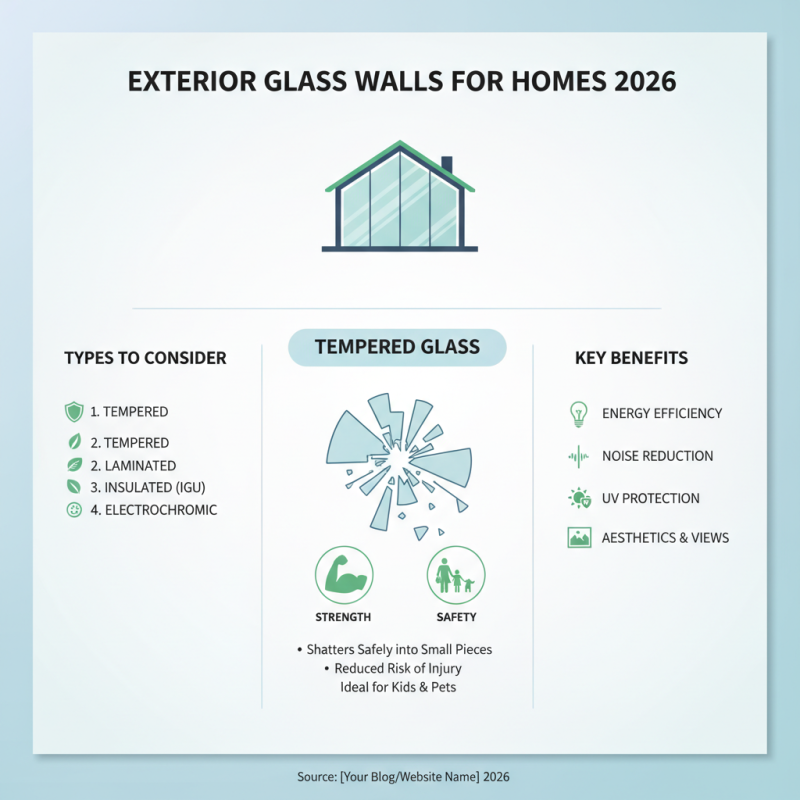
Choosing the right exterior glass walls for your residential space in 2026 involves considering several glass types. Each type offers unique benefits and aesthetics. Tempered glass is popular for its strength and safety features. It shatters into small pieces, reducing the risk of injury. This option is ideal for homes with children or pets.
Low-emissivity (Low-E) glass enhances energy efficiency. It reflects heat and UV rays, keeping interiors comfortable. Homes in colder climates can greatly benefit from this technology. However, Low-E glass can be pricier, requiring careful budgeting. When selecting this option, weigh the long-term savings against the initial cost.
Another option is laminated glass, which offers sound insulation benefits. It reduces outside noise, creating a serene home environment. Yet, it may not be suitable for all design styles. Reflect on the overall aesthetic you want to achieve. Balancing these factors will lead to a choice that complements your home and its surroundings.
Energy Efficiency Standards for Glass Walls and Their Impact on Home Design
Choosing exterior glass walls for residential spaces in 2026 involves understanding energy efficiency standards. These standards dictate how glass walls can influence energy consumption. In many regions, regulations now require better insulation values. This means selecting materials with low thermal transmittance is crucial.
High-performance glass can help maintain indoor temperatures. This can reduce heating and cooling costs. However, not all glass options are equally effective. Shadowing or overhangs may be needed to block excessive sunlight. Homeowners also need to consider the environmental impact. Producing glass has a significant carbon footprint. It’s essential to weigh the benefits against sustainability concerns.
There can be challenges with installation too. Improperly sealed glass can lead to leaks. This can compromise energy efficiency and cause water damage. Even the best designs can fall short without proper execution. Reflecting on these concerns during the planning stages is vital. Balancing aesthetics with functionality requires careful thought.
Latest Trends in Exterior Glass Wall Technologies and Innovations
Choosing exterior glass walls for residential spaces in 2026 involves embracing the latest trends in technology and design. Innovations are reshaping how we think about light, energy efficiency, and aesthetics. Smart glass is one such leap forward. This technology allows homeowners to control transparency and light levels with ease. Imagine transforming a sunny living room into a cozy, private retreat at a touch of a button.
Consider incorporating energy-efficient laminated glass. It not only enhances insulation but also offers greater soundproofing. Such features are essential in bustling urban environments. Glazing options are evolving too. Tinted and reflective coatings are gaining popularity, striking a balance between natural light and temperature control.
**Tips:** Test your options in different lighting. Shadow and sun angles can affect how glass looks throughout the day. Don't overlook frame materials. Certain metals may corrode over time, affecting longevity and performance. Take time to reflect on your choices; not all innovations will suit your style or needs perfectly. Prioritize durability, aesthetics, and functionality as you explore these advancements.
How to Choose Exterior Glass Walls for Residential Spaces in 2026?
| Attribute |
Trend/Innovation |
Benefits |
Considerations |
| Thermal Performance |
Triple Glazing |
Improved insulation, energy efficiency. |
Higher upfront costs, potential weight issues. |
| Safety and Security |
Laminated Glass |
Shatter resistance, enhanced safety. |
Requires thicker frames, not as affordable. |
| Aesthetic Appeal |
Frameless Designs |
Modern look, maximizes natural light. |
Less structural support, potential seals weakness. |
| Energy Efficiency |
Smart Glass Technology |
Dynamic tinting, reduces heat gain. |
Higher costs, requires electricity for operation. |
| Eco-Friendly Options |
Recycled Glass |
Sustainable choice, lower environmental impact. |
Potential quality variance, may not meet all standards. |
Cost Analysis: Budgeting for Exterior Glass Walls in Residential Projects
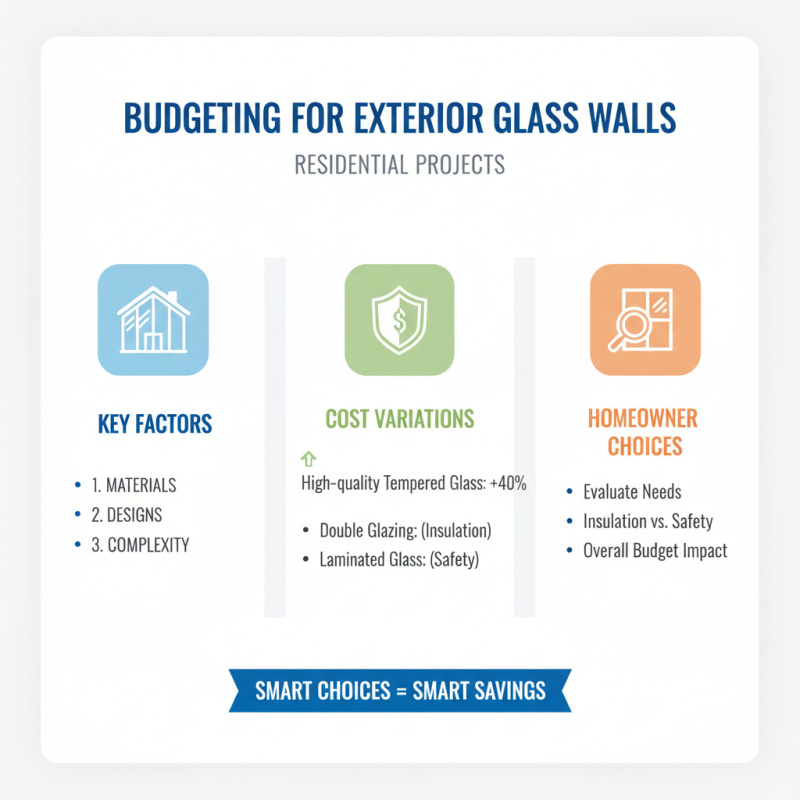
When budgeting for exterior glass walls in residential projects, cost is a crucial factor. Prices can vary significantly based on materials, designs, and installation complexity. Typically, using high-quality tempered glass can increase costs by up to 40%. Homeowners should evaluate the type of glass that meets their needs. Consider if you prefer double glazing for insulation or laminated glass for safety. These choices will affect the overall budget.
Installation costs can be equally daunting. Skilled labor is essential to ensure proper fitting and safety standards. Hiring experienced professionals may add 15-30% to the project cost. Often, people underestimate these expenses and the potential for unexpected issues during installation. It's wise to set aside a contingency fund for unforeseen complications, such as structural adjustments or additional framing needs.
Beyond material and labor, maintenance should be part of your budget considerations. Quality glass walls may require regular cleaning and occasional sealing. Sometimes, initial savings on cheaper options lead to higher long-term costs. Reflect on durability versus upfront expense when making decisions. Balancing cost with quality ensures a sustainable choice for your home.