How to Choose the Best Industrial Insulation Mineral Wool Quilt?
Choosing the right Industrial Insulation Mineral Wool Quilt can be a daunting task. With so many options available, making an informed decision is crucial. According to Dr. Emily Johnson, a leading expert in industrial insulation materials, “The right insulation material can significantly impact energy efficiency and operational costs.” This statement highlights the importance of selecting the best quilt.
The Industrial Insulation Mineral Wool Quilt is known for its excellent thermal performance and sound absorption properties. It is essential to consider factors such as thickness, density, and fire resistance when making your choice. These features can greatly influence both the effectiveness and safety of the insulation.
In addition, practical application must be assessed. Not every product is suitable for every environment. Users often overlook specific conditions that might affect the performance of the quilt. Consider the unique demands of your project before making a decision. Understanding these nuances can be the difference between success and costly errors.
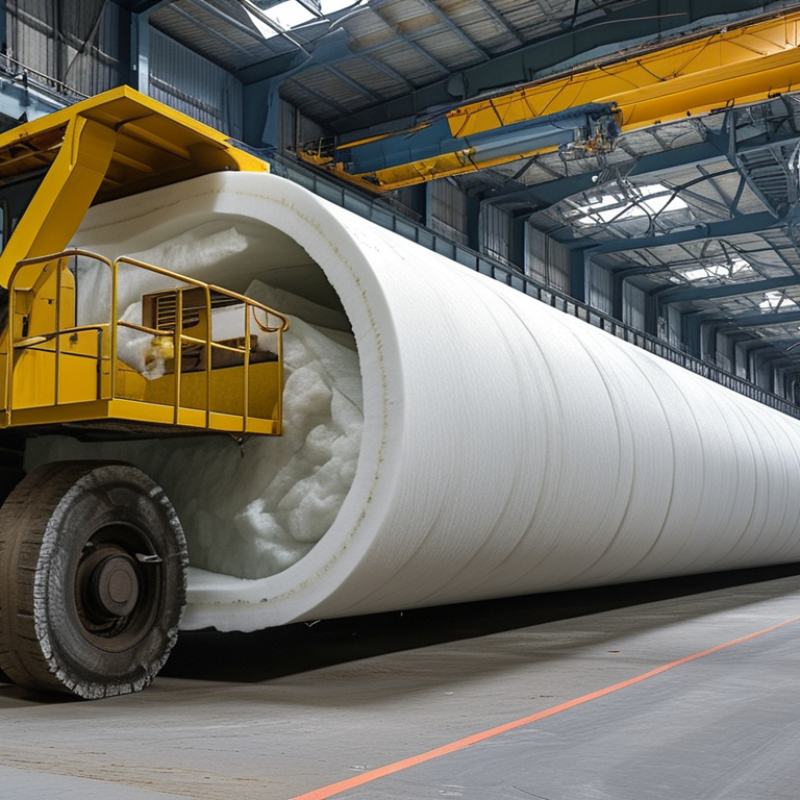
Understanding Mineral Wool Insulation: Properties and Benefits
Mineral wool insulation, made from natural or recycled materials, offers several advantages. One key property is its fire resistance. According to a study by the North American Insulation Manufacturers Association (NAIMA), mineral wool can withstand temperatures up to 1,000°C. This characteristic makes it ideal for industrial applications where fire safety is paramount.
Another important benefit is its sound-dampening ability. Mineral wool's structure can significantly reduce noise transmission. The Acoustical Society of America reports that effective insulation can lower sound levels by up to 30 decibels. This feature is especially valuable in settings with heavy machinery, contributing to a safer and more comfortable work environment.
In addition to thermal and acoustic properties, mineral wool is also moisture-resistant. It does not absorb water, preventing mold growth. Nevertheless, some drawbacks should be noted. Proper installation is crucial to fully harness these benefits. Gaps or improper fitting can lead to energy loss. Regular assessments are recommended to ensure effectiveness. These factors highlight the importance of understanding mineral wool insulation in industrial settings.
Key Factors to Consider When Choosing Industrial Insulation Quilts
When selecting industrial insulation mineral wool quilts, consider several key factors that impact performance. The thermal resistance, also known as R-value, is crucial. Reports indicate that higher R-values enhance energy efficiency. For example, an R-value of 15 can lead to significant energy savings in temperature-sensitive environments.
Density is another vital aspect. Mineral wool quilts with higher density offer better soundproofing and fire resistance. A recent study found that quilts with a density of 60 kg/m³ reduced sound transmission by up to 50%. Additionally, check for compliance with safety standards. Insulation products often have certifications that ensure they meet industry safety benchmarks.
Cost is a critical factor too. While high-quality materials may be pricier upfront, they can lead to lower maintenance costs over time. Some may overlook the importance of installation expertise; poor installation can negate insulation benefits. Every choice carries a weight. Reflect on these details; they directly impact your project's success.
Comparing Different Types of Mineral Wool Quilts for Industrial Use
When selecting mineral wool quilts for industrial applications, understanding the differences among types can help make an informed choice. Mineral wool, also known as rock wool or stone wool, comes in various forms. Each type offers unique benefits and challenges. For example, some quilts excel in thermal insulation, while others provide superior soundproofing.
Density is a crucial factor in evaluating mineral wool quilts. Higher density materials tend to be more effective at sound absorption. However, they may be less flexible, making installation more challenging. On the other hand, lightweight options are easier to handle but often provide lower insulation performance. Consider the specific needs of your facility when weighing these characteristics.
Moisture resistance is also vital to consider. Some mineral wool quilts absorb water, leading to mold growth and thermal performance degradation. Choosing a product with hydrophobic properties can mitigate this risk. Reflect on your facility's environment and choose accordingly. This decision can affect long-term reliability and energy efficiency. Evaluate each option with a critical eye to ensure it meets your specific industrial requirements.
How to Choose the Best Industrial Insulation Mineral Wool Quilt?
| Type of Mineral Wool Quilt | Thermal Conductivity (W/m·K) | Density (kg/m³) | Sound Absorption (dB) | Fire Rating | Applications |
| Standard Mineral Wool Quilt | 0.037 | 80 | 45 | A1 | Piping, Ducting |
| High-Density Mineral Wool Quilt | 0.035 | 120 | 51 | A1 | Soundproofing, Heavy Machinery |
| Flexible Mineral Wool Quilt | 0.040 | 50 | 42 | A2 | HVAC, Wall Insulation |
| Rigid Mineral Wool Quilt | 0.035 | 90 | 50 | A1 | Flooring, Roof Insulation |
Guidelines for Proper Installation of Mineral Wool Insulation
When installing mineral wool insulation, attention to detail is crucial for optimal performance. It is essential to ensure a proper fit around pipes and ducts. The installation should create a tight seal to prevent air leaks. Gaps can lead to energy loss and reduce efficiency. Always cut the quilt carefully to match the dimensions required. It helps in maintaining thermal efficiency.
Tips: Always wear protective gear during installation. This includes gloves, goggles, and masks. The fibers in mineral wool can irritate the skin and eyes. Additionally, check all installation areas for moisture. Damp environments can compromise the insulation’s effectiveness.
Consider using a vapor barrier. This can enhance the insulation by preventing moisture from penetrating. Installing mineral wool in attics or basements requires careful planning. Pay attention to ventilation and air circulation to avoid mold growth. Mistakes can occur, but it's essential to learn from them and improve your technique. Proper installation fosters better insulation performance in the long run.
Maintenance Tips for Long-lasting Industrial Insulation Performance
Industrial insulation made from mineral wool is crucial for maintaining optimal performance. Regular maintenance directly impacts its longevity. Studies indicate that properly maintained insulation can last up to 30 years. However, neglect can lead to significant performance drops.
Inspecting insulation periodically is vital. Look for signs of moisture or pests. Moisture can compromise the material, reducing its effectiveness by up to 40%. Addressing these issues early is key. Familiarity with local environmental conditions can also guide maintenance schedules. For example, areas with high humidity may require more frequent checks.
Additionally, ensure that any mechanical systems in proximity are well-sealed. Leaks can lead to heat loss, impacting operational efficiency. Heat loss affects energy expenditure and raises costs. On average, improper insulation can increase energy bills by 20%.
Maintaining your mineral wool quilt is more than a task; it’s a necessary investment in performance sustainability.