How to Choose the Best Engineered Wood Flooring for Your Home?
Selecting the right flooring for your home is a pivotal decision. Flooring Wood Engineered options have become increasingly popular due to their durability and aesthetic appeal. According to the National Wood Flooring Association, engineered wood flooring accounts for over 30% of the hardwood flooring market. This growth highlights consumer trust in its performance and looks.
When assessing flooring choices, homeowners should consider specific factors. Engineered wood's layered construction allows it to withstand moisture better than solid hardwood. Reports show that this feature can extend the lifespan of your floors, making it an attractive choice for high-traffic areas. Yet, not all engineered wood is created equal. The quality can vary significantly between brands, which may confuse buyers.
It's essential to reflect on your specific needs. For instance, do you live in a humid climate? An investment in high-quality Flooring Wood Engineered might pay off in the long run. Additionally, consider the long-term implications like maintenance and repair. Selecting the best flooring requires careful thought and knowledge. Making an informed choice will ensure your floors look great for years to come.
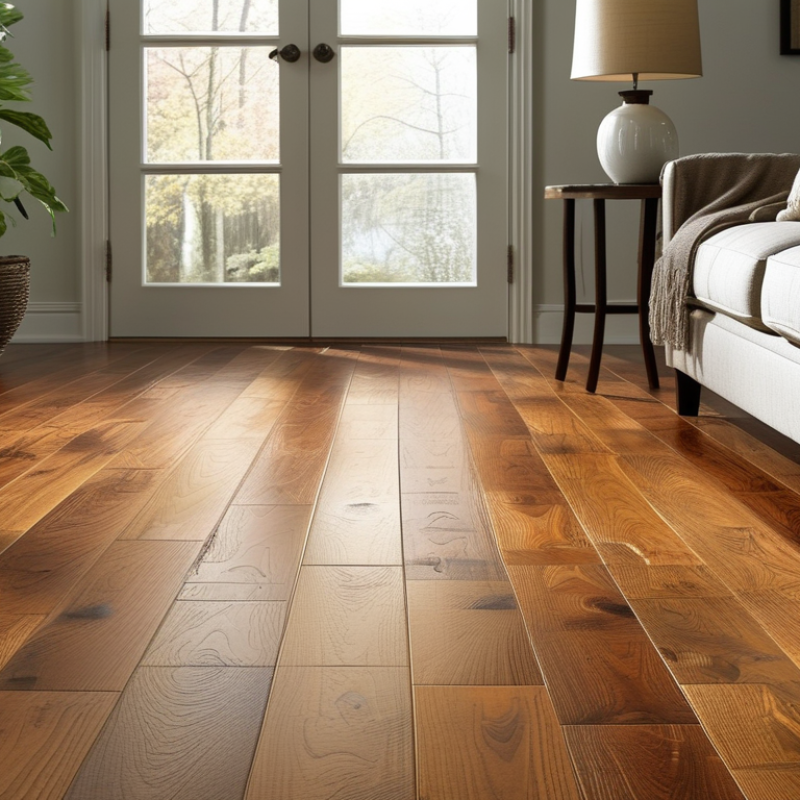
Understanding Engineered Wood Flooring: Composition and Benefits
Engineered wood flooring combines beauty with functionality, making it a popular choice for homeowners. Unlike traditional hardwood, it consists of multiple layers. This construction enhances stability and makes it more resistant to changes in humidity. According to the Hardwood Manufacturers Association, engineered wood is less likely to warp compared to solid wood.
Choosing the right engineered wood involves understanding its composition. Typically, the top layer is made from real wood, while the core consists of plywood or high-density fiberboard. This structure can support underfloor heating, providing comfort and warmth. A report by the Flooring Contractors Association highlighted that over 70% of homeowners prefer engineered wood for its durability and aesthetic appeal.
Consider installation methods carefully. Some engineered wood is designed for glue-down or nail-down installation, while others allow floating installations. Always check the warranty details, as it often reflects the product's quality. Look for options with a thicker wear layer for better resistance to scratches and dents. This detail can significantly affect longevity and maintenance needs. Ultimately, thoughtful selection ensures that your flooring choice is both stylish and practical.
Key Factors to Consider When Choosing Engineered Wood Flooring
When selecting engineered wood flooring for your home, consider its construction. Engineered wood typically consists of multiple layers, providing stability and durability. The top layer is usually made of real hardwood, offering aesthetic appeal, while the underlying layers can resist moisture and temperature changes. According to the National Wood Flooring Association, nearly 50% of homeowners prefer engineered wood for its versatility.
Another essential factor is the finish type. You can choose between pre-finished and site-finished options. Pre-finished flooring saves installation time and usually has a more robust surface, which can resist scratches. However, site-finished flooring allows customization. Many homeowners appreciate this choice, especially for high-traffic areas.
Pay attention to the installation method as well. Engineered wood can be nailed down, glued, or floated. Each method influences the overall look and longevity. Research indicates that float installation is increasingly popular due to its ease and the ability to adjust for subfloor imperfections. Choosing the right method can greatly impact the floor's durability and overall performance.
Comparing Engineered Wood Flooring Types: Core and Finish Options
When selecting engineered wood flooring, understanding core and finish options is crucial. The core of the flooring affects durability and stability. Plywood cores are popular for their strength, while HDF cores offer a budget-friendly alternative. Each type has distinct benefits, and understanding these can guide your decision.
The finish on engineered wood flooring plays a significant role in aesthetics and maintenance. Options might include pre-finished, which simplifies installation, or site-finished, allowing for customization. Pre-finished boards come with a factory-applied coating that enhances durability. However, site-finished floors can be sanded and refinished, extending their lifespan.
These choices can feel overwhelming. Consider the environmental impact of materials and their sourcing. Look for certifications to ensure the flooring is produced sustainably. Your lifestyle is another factor; high-traffic areas might benefit from resilient finishes. However, less durable options can provide a unique charm yet require more maintenance. Reflect on how these factors align with your home's needs.
Evaluating Environmental Impact: Sustainability in Engineered Flooring
When selecting engineered wood flooring, it's crucial to evaluate its environmental impact. Sustainability reports indicate that engineered wood can yield a lower carbon footprint than traditional hardwood. According to the Forest Stewardship Council, certified products ensure responsible sourcing. They help protect forests and promote biodiversity. This certification reflects a commitment to environmental welfare.
Choosing the right engineered flooring means considering the source of the wood and the adhesives used. Some adhesives release harmful VOCs. These can contribute to indoor air pollution. Research shows that low-VOC options are becoming popular, with up to 40% less emission than conventional products. Look for labels that confirm these minimal emissions.
Assessing durability is also vital. Engineered wood often uses fewer natural resources while maintaining strength. This efficiency is essential for sustainability. Many products offer warranties that reflect their longevity, which also means less frequent replacements. Think about the long-term impact of your flooring choice. A sustainable option today can lead to ecological benefits tomorrow.
Environmental Impact of Different Engineered Wood Flooring Options
Installation Techniques and Maintenance for Longevity of Engineered Floors
When it comes to engineered wood flooring, installation techniques play a crucial role in its longevity. Begin by ensuring a clean and even subfloor. Even a minute imperfection can lead to warping over time. Consider using a moisture barrier if you're installing in areas prone to humidity. This step can prevent potential damage from moisture over the years.
Maintenance is equally vital for keeping your engineered floors looking their best. Regular sweeping keeps dirt and debris from scratching the surface. Use a damp mop with a gentle cleaner to maintain shine. Be cautious about using too much water. Excess moisture can seep between the layers, weakening the structure.
Over time, wear and tear are inevitable. It's essential to monitor high-traffic areas closely. Refinishing the top layer can breathe new life into dull floors, but this is a task that requires care. The thickness of the veneer varies, which can affect how often you can sand it. Reflect on these factors to ensure your floors remain beautiful and functional for years to come.