How to Choose the Best 1 Hour Fire Rated Door for Your Needs?
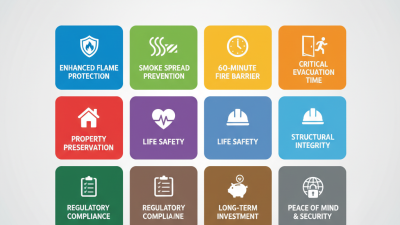
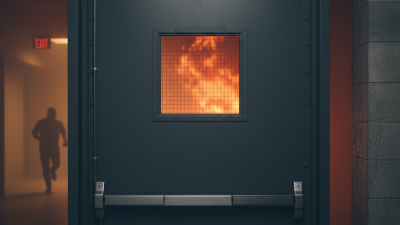
Choosing the right 1 hour fire rated door is crucial for safety and compliance. In commercial and residential buildings, fire-rated doors play a vital role. According to the National Fire Protection Association (NFPA), these doors can prevent the spread of fire and smoke for at least 60 minutes. This time allows for safe evacuation and fire response.
When selecting a 1 hour fire rated door, consider materials, certifications, and installation. Steel and wood are common options, each offering unique benefits. A door with proper ratings from organizations like Underwriters Laboratories (UL) ensures reliability. However, not all doors provide the same level of safety. Some may have misrepresented ratings or subpar construction. Always scrutinize documentation.
In addition, durability matters. A door may be fire-proof but still vulnerable to wear and tear. Regular inspections help maintain their effectiveness. Investing in a quality 1 hour fire rated door can save lives and reduce risks. Don’t overlook the importance of informed choices in safeguarding your space.
Understanding Fire Ratings and Standards for Doors
When selecting a fire-rated door, understanding fire ratings and compliance standards is crucial. Fire doors are classified based on their ability to withstand fire and smoke. A 1-hour fire-rated door, for example, is designed to resist fire for at least 60 minutes. According to the National Fire Protection Association (NFPA), the choice of door can impact life safety and property protection significantly.
Fire ratings are based on rigorous tests conducted by accredited laboratories, like UL (Underwriters Laboratories). These tests measure how long a door can hold back flames and prevent smoke from passing through. A recent report from the Door and Hardware Institute showed that over 80% of building fires involve entry points, highlighting the importance of selecting a high-quality door. The right choice can reduce the spread of fire and protect exit routes.
However, it is essential to consider more than just the fire rating. The installed door must be compatible with the frame and seals to maintain its rating. Misalignment can result in compromised performance. In some cases, even a minor oversight can lead to failure during an emergency. Engaging a qualified professional to assess your specific needs is often a wise investment.
Key Features to Consider in 1 Hour Fire Rated Doors
Choosing the right 1-hour fire-rated door requires careful consideration of its key features. First, you should evaluate the door's material. Steel doors are popular for their durability and resistance to external threats. Wood doors may also be used but often require additional treatments for fire resistance. According to the National Fire Protection Association (NFPA), nearly 40% of fire-related fatalities occur in residential buildings, highlighting the critical role of fire-rated doors.
Another important feature is the door's certification. It should meet industry standards, such as those established by Underwriters Laboratories (UL). A UL-listed door guarantees it has undergone rigorous testing. The fire-resistance rating can significantly impact safety. A door rated for one hour can withstand flames and heat for that duration, which often allows sufficient time for evacuation.
Consider installation as well. Proper fitting and sealing are essential for effectiveness. A poorly installed door may not provide adequate protection. Regular maintenance checks can ensure that the door functions correctly and continues to meet safety requirements.
Evaluate your options carefully and remember to seek expert advice. Engage with professionals to navigate the complexities of fire-rated door specifications. Understanding these features can make a significant difference in safety and compliance.
Material Options for Optimal Fire Resistance and Durability
When choosing a one-hour fire-rated door, material selection is crucial. Steel and wood are popular options. Steel doors offer superior fire resistance. They withstand high temperatures effectively. However, wood doors with fire-rated cores can also provide adequate protection while ensuring aesthetic appeal.
Consider the environment where the door will be installed. If moisture is a concern, steel may be preferable. It does not warp or swell like wood. On the other hand, if you seek a warm appearance, select a wood door with a fire-resistant core. This combination balances safety and design.
For optimal fire resistance, choose doors that meet specific certification standards. Look for doors with a label indicating their fire rating. This ensures they have been rigorously tested. Proper installation is equally important. An improperly fitted door may compromise fire protection. Regular inspections are necessary to maintain integrity and performance. Stay vigilant about any wear or damage that could affect the door's effectiveness.
Installation Requirements for Maximum Fire Safety Compliance
When selecting a fire-rated door, installation is critical for ensuring maximum safety. Understanding local building codes is essential. These codes detail specific requirements for fire-rated door installations. Each installation must meet these standards to maintain compliance and safety.
Choosing the right frame is just as important. The door frame should be compatible with the fire-rated door. Use a proper sealant to prevent gaps between the door and frame, as these gaps may compromise safety. Tight installation impacts both functionality and fire resistance. Some professionals overlook these details, assuming all installations are the same. This assumption can lead to dangerous oversights.
Regular inspections are necessary after installation. Ensuring the door closes properly can prevent smoke and flames from spreading. In some cases, doors may not close fully due to poor alignment or damage. Such issues should be addressed promptly. There may be a tendency to delay these checks, but doing so can jeopardize fire safety. Keeping up with maintenance ensures the door performs as intended.
How to Choose the Best 1 Hour Fire Rated Door for Your Needs? - Installation Requirements for Maximum Fire Safety Compliance
| Feature |
Specification |
Compliance Standard |
Installation Requirement |
| Core Material |
Steel, Gypsum, Wood Composite |
NFPA 80, UL 10C |
Proper frame support and anchoring required |
| Size Options |
Standard sizes available |
ADA Compliance |
Verify opening dimensions for fit |
| Hardware Compatibility |
Panic bars, mortise locks |
ANSI/BHMA A156.3 |
Follow manufacturer's hardware guidelines |
| Temperature Rating |
Up to 1,200°F |
UL 10B |
Ensure proper sealing for temperature retention |
| Finish Options |
Primed, powder-coated, or stainless steel |
Fire Safety Codes |
Surface preparation for optimal adhesion |
Maintenance Tips to Ensure Longevity of Fire Rated Doors
When it comes to the maintenance of fire rated doors, attention to detail is crucial. These doors are designed to withstand fire and smoke, but improper care can reduce their effectiveness over time. Regular inspections should be scheduled to check for any signs of damage or wear. Look closely at the door frame and seal. Small gaps can allow smoke to pass through.
Cleaning is vital. Use a damp cloth to remove dirt and debris. Avoid harsh chemicals that might degrade the door’s surface. A soft brush can help with tougher spots, but be gentle. This not only keeps the door looking its best but also ensures it can function properly when needed.
Humidity and temperature fluctuations can impact the door’s materials. Use a dehumidifier if the area tends to be damp. Insulate the door to protect it from extreme temperatures. This is particularly important in places with drastic climate changes. Monitoring the condition of fire rated doors can sometimes feel overwhelming, but regular upkeep makes a significant difference.