2026 How to Choose the Best Metallic Powder Coat for Your Needs?
Choosing the right Metallic Powder Coat can be a challenge. With so many options available, it’s essential to know what works best for your project. Expert Bob Johnson, a leading figure in the coatings industry, has said, “The right finish can make or break your product.” This emphasizes the importance of making an informed choice.
Metallic Powder Coats offer unique aesthetics and durability. They stand out in a crowd, providing both functionality and beauty. However, not all powders are created equal. Some may not adhere well in specific environments. Others might show wear more quickly than desired. Understanding these nuances is crucial when evaluating your options.
Many factors influence your selection, including application methods, environmental considerations, and intended use. Don’t rush the decision. Take time to explore different textures and colors. A thoughtful approach will lead to better results. Mistakes can be costly, so reflect on what works best for your needs.
Understanding Metallic Powder Coatings and Their Benefits
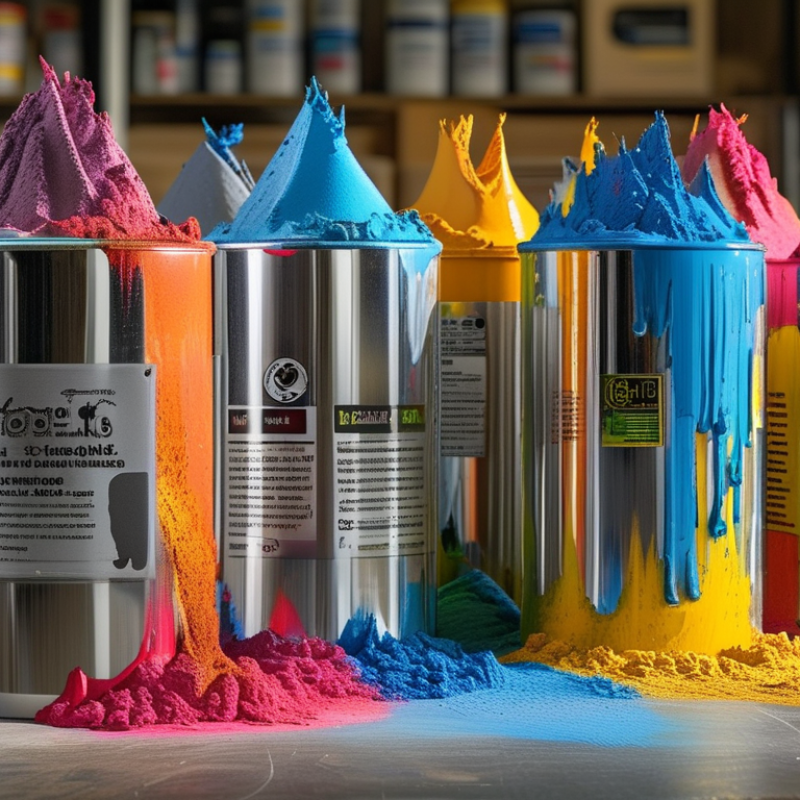
Metallic powder coatings are a popular choice for various applications, delivering both aesthetics and durability. These coatings offer a unique shine and depth that traditional paint often lacks. They are composed of finely ground particles mixed with a resin binder. This mixture is then electrostatically applied and cured under heat. The result is a strong and resistant finish that can endure harsh environments.
One significant benefit of metallic powder coatings is their sustainability. They produce minimal waste compared to liquid paints. The application process ensures that excess material can be reused. This reduces environmental impact, which many industries strive to achieve. Furthermore, the durability of these coatings means fewer touch-ups and maintenance, saving time and money in the long run.
Choosing the right metallic powder coating can be challenging. The sheer variety of colors and finishes available may overwhelm potential users. Factors like substrate material, exposure conditions, and desired finish should guide selections. Each project presents unique requirements that demand careful consideration. Users may find it helpful to consult with professionals or conduct tests to ensure the selected coating meets their needs effectively.
2026 How to Choose the Best Metallic Powder Coat for Your Needs? - Understanding Metallic Powder Coatings and Their Benefits
| Coating Type | Finish Type | Durability Rating | UV Resistance | Applications |
| Metallic Epoxy | Glossy | 8/10 | High | Flooring, Automotive |
| Metallic Powder Coat | Satin | 9/10 | Medium | Furniture, Fixtures |
| Anodized Finish | Matte | 9/10 | Very High | Bicycles, Industrial Parts |
| Decorative Coatings | Clear Coat | 7/10 | Low | Artworks, Craft Projects |
Types of Metallic Powder Coatings: An Overview
When considering metallic powder coatings, understanding the types available is crucial. Different types include textured, smooth, and high-gloss finishes. Each offers unique aesthetic and performance characteristics. Textured coatings can hide surface imperfections. They are often used in automotive and industrial applications. Smooth finishes deliver a clean look, suitable for decorative projects.
A report by the Powder Coating Institute states that around 10% of all coatings applied in industries are metallic powders. This statistic demonstrates their importance in modern manufacturing. High-gloss coatings are popular for appliances and furniture, providing a sleek appearance. However, they may show fingerprints more easily than textured surfaces.
While the variety of options is beneficial, selecting the right one can be challenging. Factors such as application method, environmental conditions, and maintenance requirements play a role. Not all metallic powders are created equal, and some may not adhere well in certain climates. Understanding these variables is crucial for achieving the desired results.
2026 How to Choose the Best Metallic Powder Coat for Your Needs?
This chart illustrates the different types of metallic powder coatings based on their usage in various applications. Understanding the distribution can help you select the best option for your needs.
Key Factors to Consider When Choosing Metallic Powder Coatings
When selecting a metallic powder coat, several factors come into play. The choice of color is critical. Different pigments can create various visual effects, from glossy to matte finishes. Lighting conditions can further alter how colors appear. Consider where the coated items will be used. Interior and exterior applications may require different properties.
Durability is another key aspect. A good metallic powder coat should withstand wear and tear. Look for coatings that resist chipping and fading. This is especially important for outdoor items exposed to weather changes. You may also want to consider the application process. Some powders require specific tools or conditions to apply evenly.
Lastly, think about the environmental impact. Some coatings have lower volatile organic compounds (VOCs). These are less harmful to both health and the environment. However, such products may cost more. Balancing cost with quality is essential. You might find yourself questioning the long-term savings of cheaper options. Reflecting on these factors will lead you to a suitable choice.
Application Techniques for Metallic Powder Coatings
When applying metallic powder coatings, technique is crucial for achieving a flawless finish. The application process typically includes electrostatic spray, fluidized bed, and hot spray methods. Each technique serves different purposes based on material and desired outcome. For instance, electrostatic spray is popular for its efficiency. It utilizes an electric charge to attract powder particles, ensuring an even coat.
However, achieving a high-quality finish requires precision. The substrate must be clean and free from contaminants. This factor significantly impacts adhesion. Inadequate surface preparation can lead to defects like peeling or uneven texture. While electrostatic methods can attract powder, overspray can create a waste issue. Recent studies show that improper application can waste up to 25% of the material used.
Tip: Always conduct a test spray on a small area. This helps identify any compatibility issues early on.
Fluidized bed techniques have their advantages too. This method involves preheating the substrate, allowing powder to adhere more effectively. Yet, this technique may lead to texture variations if not monitored closely. Any fluctuations in temperature impact the final coat's feel and appearance.
Tip: Keep a consistent temperature. Variations can lead to inconsistent finishes, affecting the overall project quality.
Maintaining and Caring for Metallic Powder Coated Surfaces
Maintaining metallic powder coated surfaces requires careful attention to detail. Regular cleaning is essential to preserve their shine and luster. Use a soft cloth and mild soap solution for this task. Avoid harsh chemicals as they can damage the coating. Make sure to rinse thoroughly to remove any soap residue.
Here are some tips for keeping your surfaces looking their best. Clean them at least once a month. This prevents dirt buildup. For tougher stains, use a mixture of vinegar and water. It’s effective and gentle. If scratches appear, a touch-up paint that matches the finish may be necessary.
Avoid placing heavy objects directly on coated surfaces. This can lead to dents or scratches. Over time, exposure to sunlight may cause fading. Consider repositioning items that block sunlight. Regular inspections for damage are a good practice. Small issues can escalate if not addressed promptly.