Why Choose Portable Touch Screen Devices for Your Business Needs?
In today's digital landscape, businesses seek tools that enhance efficiency and user interaction. Portable Touch Screen devices are at the forefront of this trend. Experts like Dr. Emily Carter, a leading authority in mobile technology, once stated, "Portable Touch Screens are transforming how we engage with information on the go." This highlights their importance in modern business operations.
Portable Touch Screens offer versatility, allowing users to access data anywhere. Their compact design and intuitive interface bring a level of convenience that traditional devices cannot match. Businesses can benefit from increased collaboration, as teams can share insights seamlessly in real time. However, the reliance on these devices can create challenges. Battery life and software compatibility are concerns that require consideration.
Moreover, while Portable Touch Screens enhance productivity, they also require careful integration into business processes. Companies need to think about training and support. This ensures that employees can use the technology effectively. Balancing the advantages and limitations is essential for success. In the fast-paced world of business, Portable Touch Screens stand out as crucial tools, but understanding their full potential is necessary.
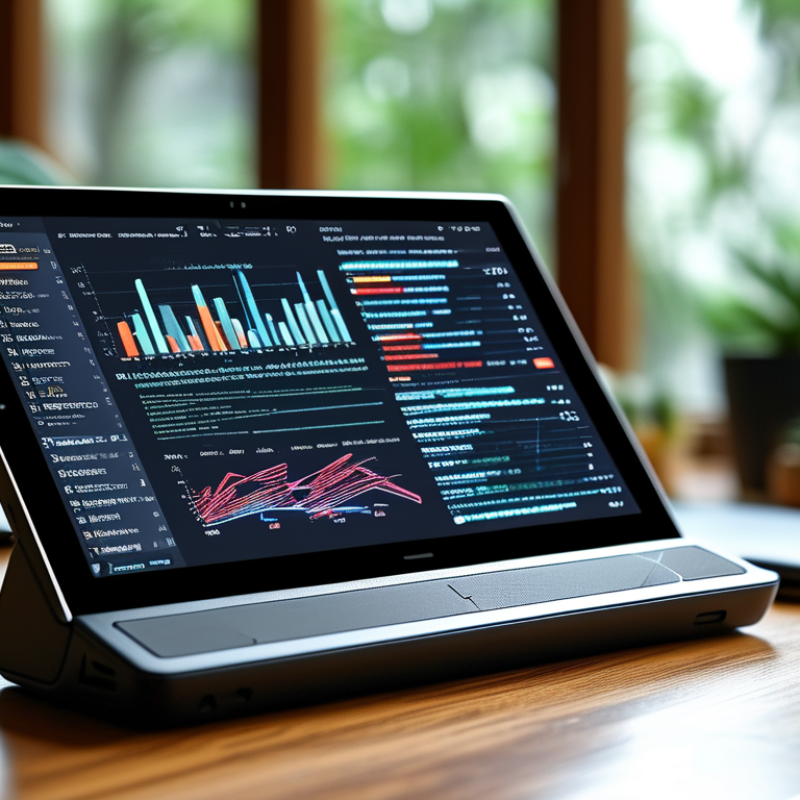
Benefits of Portable Touch Screen Devices in Modern Business
Portable touch screen devices have revolutionized how businesses operate. They offer flexibility and efficiency that can significantly enhance workplace productivity. According to a report by MarketsandMarkets, the global market for touch screen devices is expected to reach $85.29 billion by 2025. This growth reflects a rising demand for user-friendly technology in the workplace.
One key benefit is mobility. Employees can access vital information on-the-go. This is especially valuable for sales teams and field workers. Research indicates that 70% of businesses report improved workflow with portable devices. However, it's essential to choose the right device to truly optimize productivity.
Tip: Consider battery life and durability when selecting your device. These factors can impact your team's performance, especially during long working hours. Furthermore, ensure your devices come with adequate security features to protect sensitive data.
Another advantage is the interactive features of touch screens. They can enhance presentations and client interactions. A survey found that 61% of companies that adopted touch technology reported higher customer engagement rates. In contrast, some users find touch screens less reliable in high-stress environments, such as factories.
Tip: Balance the use of touch screens with traditional tools where necessary. Evaluate whether touch technology aligns with your team's needs. Not every situation demands the latest gadget, and sometimes simple solutions are more effective.
Key Features to Consider in Portable Touch Screen Devices
When considering portable touch screen devices for business, several key features stand out. First, screen size matters. A device with a 10 to 15-inch display is often ideal for portability while still providing ample viewing space. A clear and vibrant display enhances presentations and client interactions. Additionally, the screen's responsiveness is critical. Touch sensitivity improves navigation and speeds up tasks, greatly enhancing productivity in a fast-paced business environment.
Battery life cannot be overstated. A device that lasts at least 8 hours on a single charge is essential. This ensures that meetings or travel won't be interrupted by frequent charging. Portability also includes weight. A lightweight device, ideally under 3 pounds, is easier to carry around. Connectivity options like USB-C and Bluetooth are vital for quick and easy device integration.
Security features are often overlooked but should be prioritized. Biometric options like fingerprint scanning can safeguard sensitive business data. However, these features can also present challenges. For instance, a device that relies too heavily on biometrics may inconvenience users during a hectic day. Ultimately, assessing these aspects can lead to a more informed decision about which device best suits your business needs.
Portable Touch Screen Devices - Key Features Comparison
Impact of Portability on Business Efficiency and Flexibility
In today’s fast-paced business environment, portability plays a crucial role in enhancing efficiency and flexibility. Research shows that over 60% of employees work remotely at least part-time. This shift demands technology that adapts to their needs. Portable touch screen devices meet this requirement, allowing staff to remain productive from various locations.
These devices facilitate seamless interaction with digital content. A study by IDC indicates that businesses that utilize portable technology report a 20% increase in team collaboration. Teams can easily share information during meetings, enhancing decision-making speed. However, not all portable devices are created equal. Assessing durability and battery life is essential to ensure they can withstand daily use.
Tip: When selecting a portable device, consider its weight and screen size. A lightweight option can significantly enhance mobility. Additionally, invest in accessories such as protective cases to prolong the device's lifespan. Reflect on the initial investment versus long-term productivity gains; sometimes, cheaper options incur higher replacement costs. Prioritize tools that genuinely fit your business model.
Why Choose Portable Touch Screen Devices for Your Business Needs? - Impact of Portability on Business Efficiency and Flexibility
| Device Type | Weight (lbs) | Screen Size (inches) | Battery Life (hours) | Price Range ($) |
| Portable Touchscreen Monitor | 3.5 | 15.6 | 5 | 150 - 300 |
| 2-in-1 Laptop | 2.8 | 13.3 | 10 | 600 - 1200 |
| Tablet with Keyboard | 1.5 | 10.5 | 12 | 300 - 800 |
| Smartphone | 0.4 | 6.5 | 20 | 200 - 1200 |
Cost-Effectiveness of Portable Touch Screen Devices for Enterprises
Portable touch screen devices are increasingly popular for businesses. Their cost-effectiveness is a primary reason for this trend. According to a recent report by the International Data Corporation (IDC), businesses can save up to 30% in operational costs by integrating these devices into their daily operations. Touch screen devices simplify tasks and improve efficiency. Employees can access data quickly, reducing the time spent on manual processes.
These devices are not only affordable but also versatile. With a wide range of applications, they fit various business needs. Research by MarketsandMarkets shows that the global market for portable touch screen devices is expected to grow by 10.5% annually. This growth reflects their value in streamlining business workflows. Yet, companies must consider their specific requirements before making a purchase. Not all devices offer the same capabilities, and finding the right balance can be challenging.
Investing in technology like portable touch screen devices requires careful thought. Budget constraints often limit choices. Businesses should weigh the initial costs against potential savings. They must also assess how these tools can enhance customer engagement and employee productivity. While the promise of innovation is strong, not every device will meet expectations. Ensuring alignment with business goals is crucial for achieving desired outcomes.
Real-World Applications of Portable Touch Screen Devices in Various Sectors
Portable touch screen devices have become essential tools across various sectors. In healthcare, they facilitate patient check-ins and real-time data access. A recent report by MarketsandMarkets indicates that the healthcare sector is set to grow by 18.4% in the adoption of mobile devices by 2026. These devices enable healthcare professionals to retrieve patient records quickly. However, reliance on technology raises concerns about data security and the potential for system failures.
In retail, portable touch screens enhance customer engagement. Employees can assist customers more effectively with mobile devices. According to a study by Statista, 66% of retail businesses reported increased sales when using touch screen technology. Yet, customers can feel overwhelmed if staff do not receive adequate training. This gap in training can lead to frustrating experiences for both customers and employees.
The education sector also benefits from portable devices. They provide interactive learning environments, making lessons more engaging. Reports by EdTech Magazine show that about 80% of educators believe that technology improves student performance. Still, not all students thrive in a tech-heavy classroom. Issues of digital divide and varying access can hinder overall effectiveness. These factors highlight the need for balanced integration of technology in education.