How to Choose Fire Resistant Glass for Your Home or Business Needs
In today’s world, the safety and security of our homes and businesses have become paramount. One critical aspect that often goes unnoticed is the use of fire resistant glass. As industry expert Dr. Emily Carter, a leading authority in architectural safety, states, “Choosing the right fire resistant glass is not just a decision; it’s a commitment to ensuring the safety of those who inhabit our spaces.” This essential material plays a pivotal role in preventing the spread of fire and enhancing the overall protection of buildings.
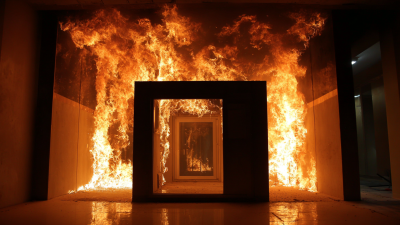
Fire resistant glass is designed to withstand high temperatures and prevent flames from penetrating, making it an invaluable asset for both residential and commercial settings. As architects and builders prioritize safety features, understanding how to select the appropriate fire resistant glass becomes crucial. Factors such as fire rating, thickness, and durability can greatly influence its effectiveness. With numerous options available, making an informed choice can significantly impact fire safety and peace of mind.
In this guide, we will explore key considerations for selecting fire resistant glass that meets the specific needs of your property. Whether you are retrofitting an existing structure or planning a new build, grasping the nuances of fire rated glass solutions will empower you to create a safer environment for everyone.
Types of Fire Resistant Glass and Their Applications
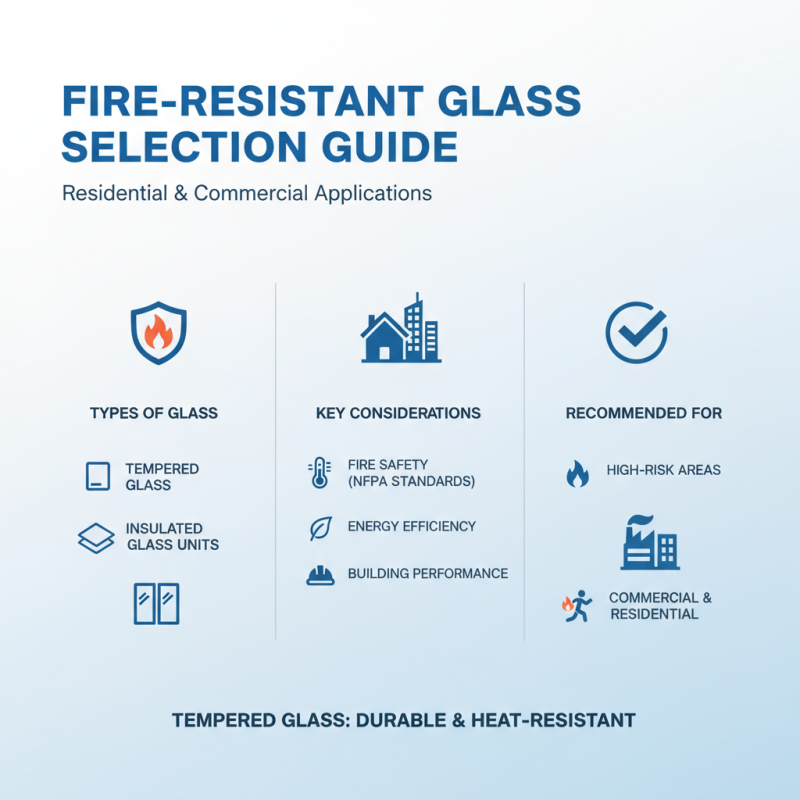
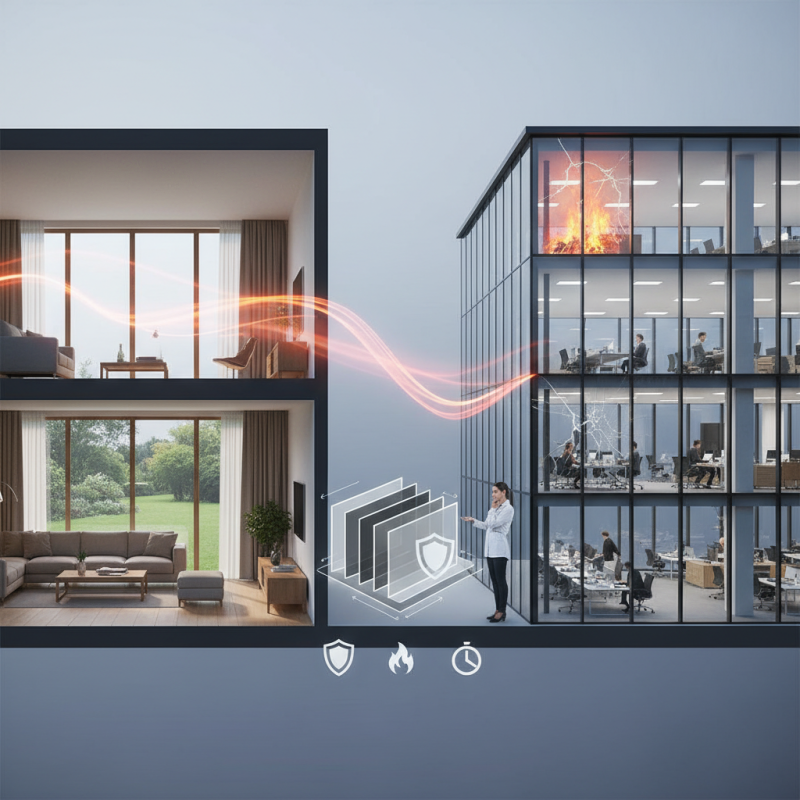
When selecting fire resistant glass for home or business applications, understanding the different types and their specific benefits is crucial. Fire resistant glass is primarily classified into three categories: tempered glass, laminated glass, and ceramic glass. Each type has unique properties suited for various environments. According to the National Fire Protection Association (NFPA), the use of fire rated glazing can help contain fires longer and prevent smoke from spreading, making it a vital component in fire safety strategies.
Tempered glass is designed to withstand high temperatures and is often used in commercial buildings due to its strength and thermal resistance. It can endure temperature fluctuations and, when broken, shatters into small, less harmful pieces.
Laminated glass, on the other hand, incorporates a plastic interlayer between two glass panes, providing both impact resistance and fire protection. This combination makes it ideal for areas where safety and security are a priority. A study by the Glass Association of North America indicates that laminated glass can withstand fire for up to 60 minutes, making it highly effective for internal partitions and external facades.
Ceramic glass, known for its ability to endure extreme temperatures without breaking, is commonly used in settings where high heat is a concern, such as in fireplace doors and fire-rated windows. It offers excellent transparency and clarity, allowing for optimal light transmission even in high-risk areas.
As fire safety standards evolve, it is essential to stay informed about the latest advancements and applications of fire resistant glass to ensure compliance and maximization of safety in both residential and commercial settings.
Key Factors to Consider When Choosing Fire Resistant Glass
When selecting fire-resistant glass for either residential or commercial use, several key factors should be carefully considered to ensure optimal safety and compliance with regulations. Firstly, it is crucial to understand the different types of fire-resistant glass available, including tempered glass, laminated glass, and insulated glass units. According to the National Fire Protection Association (NFPA), choosing the right type can significantly influence not only fire safety but also energy efficiency and overall building performance. For instance, tempered glass can withstand high temperatures and is less likely to break under thermal stress, making it a preferred choice in high-risk areas.
Another essential aspect to consider is the fire rating of the glass. Fire-resistant glass is typically categorized based on how long it can withstand fire exposure before allowing flames and smoke to pass through. The ratings can vary from 20 minutes to over 90 minutes, with the latter providing enhanced protection in case of a fire. The specific needs of a building, including its use and occupancy type, will help dictate the required fire rating. According to research presented by the Glass Association of North America (GANA), buildings with higher occupancy levels should ideally utilize glass with higher fire-resistance ratings to enhance occupant safety and comply with local fire codes.
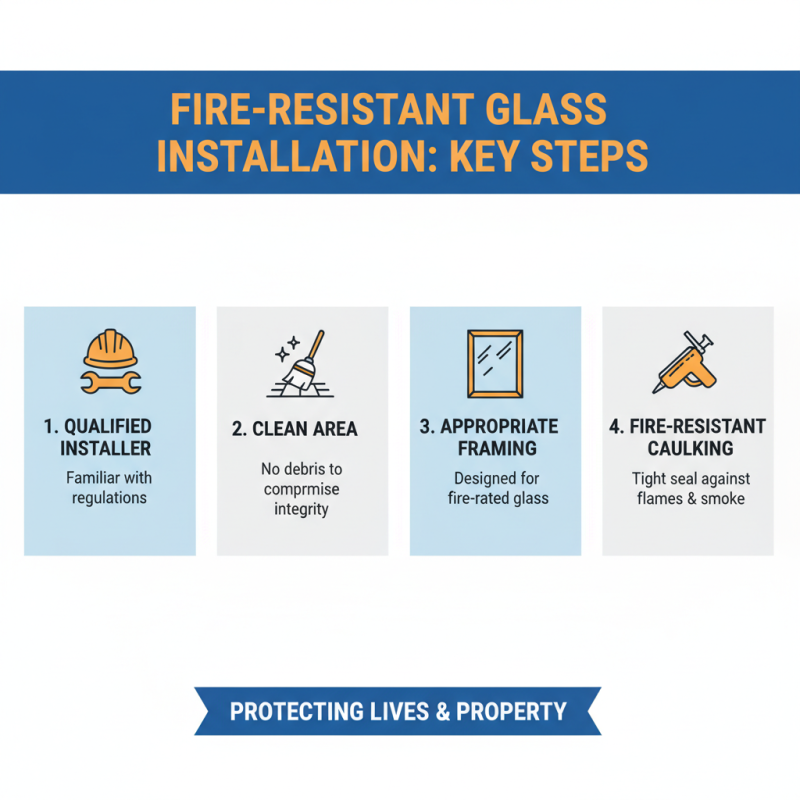
Finally, make sure to consider the installation and framing systems, as these elements can greatly impact the effectiveness of the fire-resistant glass. Proper sealing and securing of the glass within its frame can prevent heat transfer and smoke penetration, which are critical in a fire event. The right installation practices are integral to maintaining the integrity of the fire-resistant properties. As reported by the International Code Council (ICC), improper installation can compromise fire safety, thus it’s imperative to consult with professionals who specialize in fire safety glass systems for reliable outcomes.
Understanding Fire Ratings and Certification Standards
When selecting fire-resistant glass for your home or business, understanding fire ratings and certification standards is essential. Fire ratings are classified based on the material's ability to withstand high temperatures and prevent the spread of flames. Common classifications include 20, 45, 60, and 90-minute ratings, indicating the duration the glass can endure exposure to fire before failing. It's crucial to consider the specific requirements of your building and local regulations, as these ratings determine not only safety but also compliance with fire codes.
Certification standards, such as those from Underwriters Laboratories (UL) and the American National Standards Institute (ANSI), serve as benchmarks for fire-resistant glass products. These organizations conduct rigorous testing to evaluate how well products perform under extreme conditions. When selecting fire-resistant glass, look for certifications that assure performance and safety, ensuring that the materials are reliably tested. In addition, consider the specific application of the glass—whether it's for doors, windows, or partitions—as different uses may require varying levels of fire resistance and transparency.
How to Choose Fire Resistant Glass for Your Home or Business Needs
| Type of Fire Resistant Glass |
Fire Rating |
Applications |
Certification Standards |
| Tempered Glass |
30 minutes |
Interior doors, Windows |
ANSI Z97.1, ASTM C1048 |
| Laminated Glass |
60 minutes |
Facades, Curtain walls |
UL 9, NFPA 80 |
| Fire-Resistive Glass |
120 minutes |
Fire-rated partitions |
NFPA 252, UL 263 |
| Insulated Fire Glass |
90 minutes |
Exterior and interior applications |
ASTM E119, UL 9 |
| Wire Glass |
45 minutes |
Fire doors, Windows |
ANSI Z97.1, UL 1 |
Cost Considerations and Budgeting for Fire Resistant Glass Solutions
When considering fire-resistant glass for your home or business, budget plays a vital role in decision-making. The cost of fire-resistant glass can vary significantly based on factors such as thickness, type, and the level of fire resistance required. Generally, the price range for fire-rated glass can span from $25 to $150 per square foot, depending on these specifications. According to the National Fire Protection Association (NFPA), upgrading to fire-rated materials can be a worthwhile investment, as the potential savings from reduced fire damage can far exceed initial costs.
Moreover, it's essential to consider the long-term financial implications when budgeting for fire-resistant glass. A report by the Fire Protection Research Foundation indicates that building owners can save up to 20% on insurance premiums by incorporating fire-rated glazing into their structures. This savings can significantly offset the installation costs over time. Additional factors, such as installation and potential maintenance, should also be factored into the overall budget. Balancing initial expenditure with long-term benefits is crucial for making informed and financially sound choices regarding fire safety solutions.