How to Choose the Best 45 Minute Fire Rated Door for Your Safety Needs
When it comes to ensuring the safety of your home or business, selecting the right fire-rated door is a crucial decision. A 45 minute fire rated door can provide the essential protection needed during a fire emergency, helping to slow the spread of flames and smoke while allowing occupants vital time to escape. However, navigating the various options available on the market can be overwhelming. Understanding the specific needs of your space, building codes, and the door’s material and construction are key factors in making an informed choice.
In this guide, we will explore how to evaluate the features of a 45 minute fire rated door and the significance of its rating in the context of fire safety. From understanding the importance of proper installation to selecting the right accessories such as frames and hardware, we will break down the essential criteria to consider. By following this comprehensive approach, you can confidently invest in a fire-rated door that meets your safety requirements and provides peace of mind for years to come.

Understanding Fire Rated Doors and Their Importance in Safety
Fire rated doors play a crucial role in enhancing safety in both residential and commercial buildings.
Designed to withstand fire for a specified duration, these doors act as barriers to slow down the spread
of flames and smoke, allowing occupants more time to evacuate. Understanding the construction and materials
used in fire rated doors is essential, as they are categorized based on their fire-resistance ratings—often
ranging from 20 minutes to up to 120 minutes. A 45-minute fire rated door strikes a balance,
offering adequate protection in scenarios where longer ratings may not be necessary but safety is still a priority.
When selecting the best fire rated door for your needs, consider its location and the potential fire hazards present.
For example, doors leading to stairwells or exits should have higher ratings to ensure safety during an emergency.
Additionally, check if the door meets local building codes and standards, as regulations often dictate specific
requirements for fire rated doors in different environments.
Tips for Choosing Fire Rated Doors:
1. Assess the installation environment carefully to determine the required fire rating based on occupancy and potential risks.
2. Always verify that the door has been tested and certified by an accredited laboratory to ensure it meets the necessary performance standards.
3. Consider features such as self-closing capabilities and gasket systems, which can enhance the door's effectiveness in preventing smoke and fire spread.
Key Features of a 45 Minute Fire Rated Door
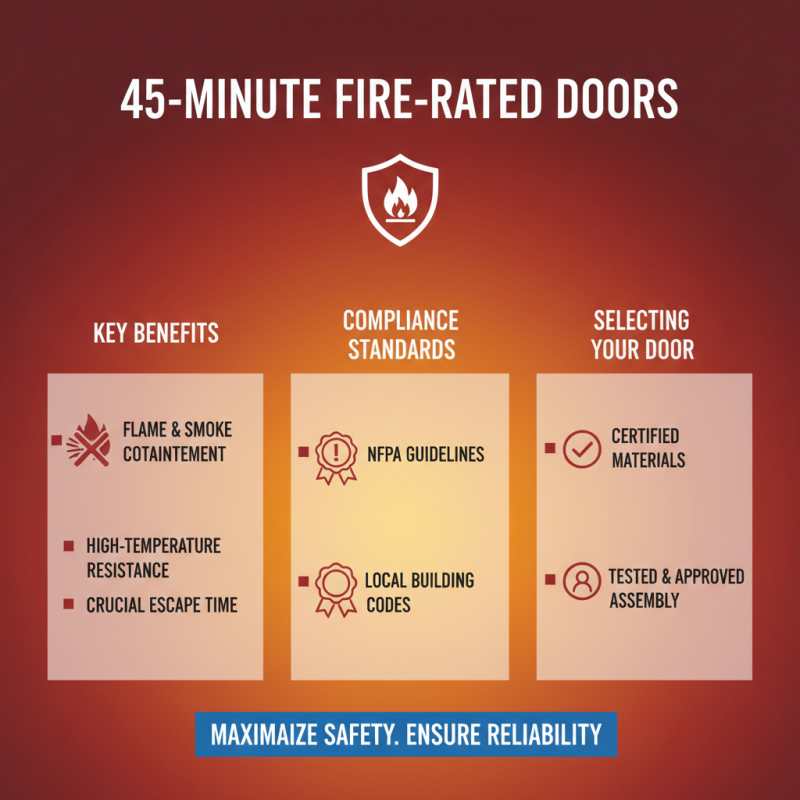
When selecting a 45-minute fire rated door, it is crucial to consider several key features that enhance safety and compliance with industry standards. One of the most important aspects is the door’s certification. According to the National Fire Protection Association (NFPA), doors must meet specific testing standards such as ASTM E152 or UL 10C to ensure they effectively withstand temperatures exceeding 1,200 degrees Fahrenheit for a specified duration. A certified door guarantees that it can help contain fire and smoke, providing precious time for evacuation.
Another key feature is the type of materials used in the door’s construction. Steel is commonly recommended due to its superior strength and durability. Reports from the Fire Door Inspection Scheme (FDIS) indicate that steel doors can offer better protection against fire compared to wood alternatives, particularly in commercial settings. Additionally, look for doors with high-quality frames and seals, as these contribute to the overall integrity of the fire barrier.
Tips: When assessing a fire rated door, always check for compliance with local fire codes and regulations. Consider environmental factors like humidity and temperature fluctuations, as these can impact the material's performance. Regular inspections and maintenance are essential; doors should be fully operational without obstructions in their closing mechanism to ensure maximum effectiveness during an emergency.
Material Options for Fire Rated Doors: Pros and Cons
When selecting a 45-minute fire-rated door, it's essential to consider the materials available, as they play a significant role in both safety and functionality. Common material options include steel, fiberglass, and wood composite. Steel doors are known for their durability and resistance to fire, making them an excellent choice for high-security areas. However, they can be more expensive and may not provide the aesthetic appeal some owners desire.
Fiberglass doors offer a balance of fire resistance and insulation. They are lightweight and can mimic the look of wood while being less prone to warping. On the other hand, wood composite doors generally offer a traditional appearance, but their fire resistance can vary based on the manufacturing quality. It's crucial to thoroughly investigate the ratings and certifications of any door you consider, as this will ensure compliance with safety standards.
Tip: When choosing a fire-rated door, assess the location and your specific safety needs. Think about the door’s installation environment: areas exposed to moisture may benefit from fiberglass, while high-traffic zones could warrant the toughness of steel. Always consult with a professional to evaluate which material best suits your requirements while prioritizing fire safety.
Installation and Maintenance Considerations for Fire Rated Doors
When selecting a 45-minute fire-rated door, understanding installation and maintenance considerations is crucial for ensuring safety and compliance. Proper installation is key to maximizing the door's fire resistance. According to the National Fire Protection Association (NFPA), improperly installed fire-rated doors can compromise their effectiveness, leading to catastrophic outcomes in the event of a fire. It is recommended that these doors be installed by certified professionals who adhere to the manufacturer's specifications and local building codes to ensure that gaps around the door frame do not exceed 1/8 inch, as larger gaps can allow smoke and heat to penetrate, undermining the door’s protective abilities.
Maintenance of fire-rated doors also plays a vital role in their performance. Regular inspections should be conducted at least once a year, as outlined by the NFPA, to assess the door's condition, including the hardware, seals, and overall integrity. A study by the Door and Hardware Institute (DHI) indicates that nearly 75% of non-compliance issues with fire-rated doors stem from neglected maintenance practices. Ensuring that self-closing mechanisms function properly, seals are intact, and that the surface remains free from damage is essential for maintaining compliance with safety standards. Investing in routine checks and immediate repairs will not only prolong the lifespan of the fire-rated door but also ensure that it provides optimal protection in emergencies.
Compliance Standards for Fire Rated Doors and Safety Regulations
When selecting a 45-minute fire rated door, understanding compliance standards and safety regulations is paramount. Fire rated doors are designed to withstand high temperatures and prevent the spread of flames and smoke, thereby providing crucial protection during a fire outbreak. Regulatory bodies establish rigorous guidelines that define the materials, construction, and performance criteria of fire rated doors to ensure they effectively meet safety requirements. Familiarity with these standards, such as those outlined by the National Fire Protection Association (NFPA) or local building codes, will help you identify doors that maximize safety and reliability in emergency situations.
Additionally, fire rated doors must be tested and certified to meet specific performance levels, typically categorized by their fire-resistance rating. For instance, a 45-minute fire rated door must be able to withstand exposure to fire for a minimum of 45 minutes while maintaining its structural integrity. It is also essential to consider features such as edge seals, intumescent strips, and proper installation techniques that contribute to the door's overall fire performance. By prioritizing compliance with these standards, you can ensure that the selected fire rated door will not only fulfill your safety needs but also adhere to legal obligations in your area, effectively enhancing the overall safety of your premises.