China Top 10 Transfer Tank And Pump Suppliers?
China’s industrial equipment sector supports a wide range of fluid-handling applications, from fuel distribution to chemical processing and agricultural storage. This article examines the China Top 10 Transfer Tank And Pump Suppliers, focusing on manufacturing capability, product reliability, safety documentation, and after-sales support.
Market data shows why supplier selection matters. Grand View Research estimates that the global industrial pumps market reached approximately USD 70 billion in 2023, with continued growth expected through 2030. MarketsandMarkets also identifies energy, water treatment, and chemical processing as major demand sectors. These reports describe broad pump categories, not every transfer-tank application. That distinction matters. A supplier serving diesel fleets may not suit food-grade liquids or corrosive chemicals.
Real-world performance depends on details. Consider a 1,000-liter tank beside a construction site, where dust, vibration, and temperature changes test every connection. A dependable supplier should explain pump flow rate, pressure limits, tank material, grounding provisions, filtration, hose length, and replacement-part availability. Certifications and factory testing deserve equal attention. Product photos alone are not enough.
This ranking will compare ten Chinese suppliers using practical evidence, including factory experience, export history, technical specifications, quality systems, and customer service. Public records and supplier claims can still contain gaps. Therefore, buyers should verify test reports, inspect samples, and confirm compliance with destination-market requirements before purchasing. The strongest supplier is not always the cheapest. It is the one that performs consistently after installation.
What Are Transfer Tanks and Pumps Used for?
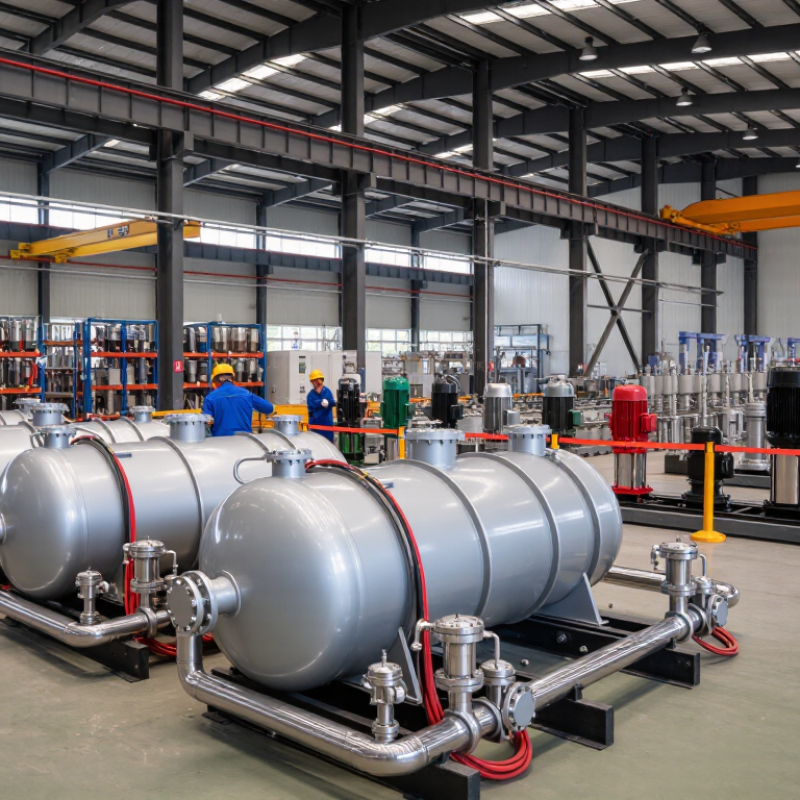
Transfer tanks and pumps are practical systems for moving liquids safely and efficiently. Common uses include fleet refueling, agricultural irrigation, construction sites, emergency water supply, and temporary fuel storage. A tank provides controlled capacity, while a pump delivers a measured flow through hoses, filters, and meters. The right combination reduces manual handling and prevents unnecessary transfer delays.
According to Allied Market Research, the global industrial pumps market was valued at about USD 62.6 billion in 2022 and may reach USD 91.5 billion by 2032. This growth reflects wider demand for reliable fluid movement across industrial and agricultural operations. The U.S. Energy Information Administration also reported that petroleum and other liquids remain major energy inputs in transportation and industry. Transfer equipment therefore needs dependable seals, corrosion-resistant materials, stable mounting, and clear emergency shutoff controls.
Capacity alone is not enough. A larger tank can increase weight, braking distance, and spill consequences. Poorly matched pumps may overheat, run slowly, or damage sensitive fluids. Operators should check viscosity, flow rate, hose length, power supply, grounding, filtration, and local storage requirements before purchase. Inspect often. Small leaks become expensive problems. Industry standards, including applicable tank construction and electrical safety requirements, should guide installation. Real sites are rarely perfect, and specifications sometimes look better on paper than they perform in dust, cold weather, or uneven ground. That gap deserves honest review.
How to Evaluate Chinese Transfer Tank and Pump Suppliers
Choosing among China’s top transfer tank and pump suppliers requires more than comparing online prices.
A reliable evaluation starts with the factory’s actual production experience. Ask how long it has built tanks, what fluids the equipment handles, and which industries use its systems. Request photos of welding areas, pressure testing, surface finishing, and final inspection records. Do not rely on polished brochures alone.
Review the technical details line by line.
Confirm tank capacity, material grade, wall thickness, pump flow, head pressure, seal type, motor efficiency, and connection standards. Ask for a pump performance curve, not only a promised flow rate. A serious supplier should explain limits clearly. It should also provide drawings, spare-parts information, operating instructions, and test reports. Certificates matter, but their scope and validity deserve checking.
Communication reveals practical competence.
Send the same technical questions to several suppliers and compare the precision of their replies. Vague answers may create expensive changes later. Check production lead time, packaging methods, installation support, warranty conditions, and response times after delivery. Contact recent customers when possible. My own evaluation was not flawless; I once focused too heavily on equipment price and underestimated commissioning support. That mistake changed my review process. A small sample order, factory video inspection, or independent pre-shipment check can expose problems before a full purchase. Reliability is built through evidence, not confident promises.
China’s Top 10 Transfer Tank and Pump Suppliers
China’s Top 10 Transfer Tank and Pump Suppliers are best compared through performance, documentation, and service reliability. A strong supplier should offer tanks suited to the intended liquid, operating temperature, and storage environment. Pump selection also requires attention to flow rate, head pressure, seal design, and material compatibility.
During a practical supplier review, inspect weld quality, surface finishing, inlet size, drain placement, and control-panel protection. Ask for pressure-test records, material certificates, pump curves, and calibration documents. Stainless steel tanks may suit hygienic applications, while carbon steel designs can support heavier industrial use when properly coated. Clear drawings matter. Small details often prevent expensive installation changes.
The leading ten suppliers usually provide customized dimensions, trial production, spare parts, and responsive technical support. Their workshops should show traceable production steps, inspection points, and secure packaging for long-distance transport. However, a polished factory visit does not prove long-term performance. That is an easy mistake.
Request reference projects and verify delivery consistency before signing an order. Compare total operating cost, not only the initial quotation. A cheaper pump may consume more power or require frequent seal replacement. Even careful evaluations can miss communication delays after delivery. For that reason, written specifications, acceptance criteria, warranty terms, and service contacts should remain part of the purchasing record.
China’s Top 10 Transfer Tank and Pump Suppliers
This chart presents representative industrial specification levels commonly offered in China’s transfer tank and pump market. Tank capacity is measured in liters, while pump flow rate is measured in liters per minute.
The figures describe equipment capacity and performance ranges rather than individual company or brand results.
Key Products, Industries, and Applications
China Top 10 Transfer Tank And Pump Suppliers: Key Products, Industries, and Applications
China’s leading transfer tank and pump suppliers usually provide stainless steel tanks, polyethylene tanks, drum systems, diaphragm pumps, centrifugal pumps, and self-priming pumps. Buyers should check tank capacity, material thickness, sealing quality, flow rate, pressure range, and motor protection. These details affect daily reliability. A polished catalog is not enough.
Food and beverage plants often use sanitary tanks and pumps for milk, juice, edible oil, and syrup. Chemical manufacturers need corrosion-resistant equipment for acids, solvents, and process liquids. Pharmaceutical facilities may require smooth welds, cleanable surfaces, and controlled transfer conditions. Agriculture uses compact systems for fertilizers and irrigation chemicals. Workshops commonly select portable tanks for lubricants, coolants, and water.
Application conditions decide the right configuration. A high-viscosity liquid may need a gear or screw pump, while clean water often suits a centrifugal model. Outdoor installations require weather protection and stable frames. Inspect the inlet size, hose compatibility, grounding design, and spare-parts availability before purchase. Field reality matters.
Some suppliers offer custom fittings and control panels, but customization can increase maintenance difficulty. My evaluation may miss changes in production quality between batches. Buyers should request test reports, operating videos, material certificates, and reference installations. A small flow test can reveal more than a long specification sheet. Cost matters, but downtime costs more.