Best Miniature Circuit Breaker Types for Home Use?
When it comes to home electrical safety, selecting the right Miniature Circuit Breaker (MCB) is crucial. According to John Roberts, an industry expert with over 20 years of experience, "The right MCB can prevent potential disasters before they happen." His insight highlights the importance of understanding different MCB types available for residential use.
In homes, MCBs serve as vital safety devices. They protect electrical circuits from overloads and faults. Each type has its specific use and features that cater to various needs. For example, some MCBs are designed for sensitive equipment, while others can handle higher loads. It’s useful to investigate these options thoroughly.
Many homeowners overlook MCB selection. They might choose a breaker based solely on price or brand, rather than suitability. This oversight could lead to inadequate protection. Understanding the nuances of MCB types ensures safety. Reflecting on these choices is essential for creating a secure electrical environment.
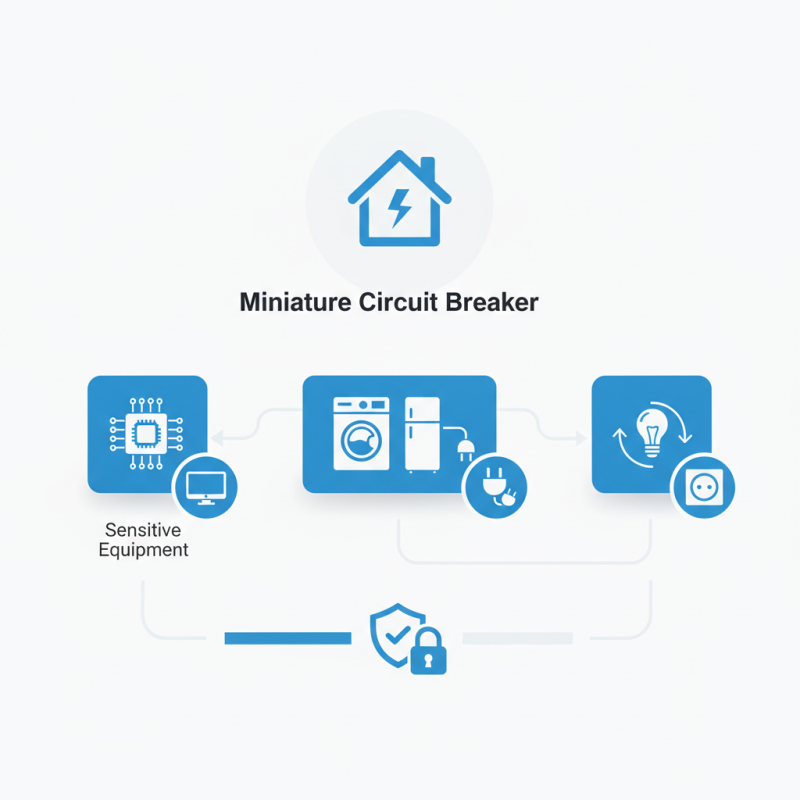
Overview of Miniature Circuit Breakers and Their Functions
Miniature circuit breakers (MCBs) play a crucial role in home electrical systems. They automatically cut off electrical flow during overloads. This feature is vital for preventing electrical fires or equipment damage. An estimated 30,000 home fires annually result from electrical issues, highlighting the importance of reliable MCBs.
MCBs come in various types, tailored to specific applications. Type B MCBs are ideal for residential use, as they trip with small overloads. Conversely, Type C MCBs handle larger inrush currents, making them suitable for appliances like refrigerators. Each type serves a unique function, ensuring safety across diverse home environments.
Tips: Regularly check MCBs for wear or damage. A faulty breaker can compromise safety. Consider the load requirements when selecting an MCB. Using the wrong type may lead to nuisance tripping or failure to protect. Tuning into your home's specific needs can optimize safety and efficiency.
Types of Miniature Circuit Breakers Suitable for Home Use
When choosing miniature circuit breakers (MCBs) for home use, it's essential to understand their types. MCBs play a crucial role in protecting electrical circuits from overloads and short circuits. According to industry data, residential fires can stem from faulty circuit systems, with 75% attributed to electrical issues. This makes MCB selection vital for safety.
One popular category is the Type B MCB. It's sensitive to overloads and suitable for typical residential loads like lighting and household appliances. This type can handle currents from 3A to 63A. It's ideal for most homes because of its reliable performance.
Another category is the Type C MCB, designed for more inductive loads such as motors and transformers. This type has a higher tolerance for inrush currents, making it suitable for specific applications in a home workshop or garage.
However, not all MCBs are created equal. Installation can sometimes be flawed. Homes installed with outdated MCBs face potential hazards. Regular inspections are necessary. Consumers should be aware of the specific requirements of their electrical systems. Data shows that about 20% of homes have inadequate protection against electrical faults. By understanding MCB types and their applications, homeowners can better protect their installations and enhance safety.
Factors to Consider When Choosing Miniature Circuit Breakers
When selecting miniature circuit breakers (MCBs) for home use, several factors come into play. The current rating is crucial. It determines the maximum load the breaker can handle. Consider your household appliances and their average power consumption. Each device draws a different amount of current. Ensure the MCB can support your needs without tripping frequently.
Another aspect is the type of MCB. Different types are suitable for various applications. For instance, type B breakers are common for residential use. They trip at lower currents, ideal for general household circuits. Type C is better for circuits with motors or high inrush currents. Understand your specific requirements to avoid issues later.
Installation location also matters. A breaker installed in a damp area requires additional protection. Look for MCBs with higher insulation ratings. Some may overlook this detail, leading to risks. It’s vital to evaluate all factors thoroughly. Rushing this decision can lead to purchasing mistakes. Always think about your home’s unique demands and future upgrades.
Best Miniature Circuit Breaker Types for Home Use
| Type | Current Rating (A) | Voltage Rating (V) | Tripping Curve | Usage | Price Range (USD) |
| Type B | 6 - 32 | 230 / 400 | B | General Household | $15 - $30 |
| Type C | 10 - 63 | 230 / 400 | C | Motors, Transformers | $20 - $50 |
| Type D | 6 - 100 | 230 / 400 | D | High Inrush Applications | $25 - $60 |
| Type K | 10 - 63 | 230 / 400 | K | Mixed Loads | $20 - $40 |
Installation and Maintenance Tips for Miniature Circuit Breakers
When installing miniature circuit breakers (MCBs), careful planning is essential. Choose the right location in your electrical panel. Ensure it's easily accessible for future maintenance. Using a screwdriver, securely mount the MCB in your panel. Be cautious about wiring. Ensure all connections are tight to prevent arcing.
Maintenance is equally crucial. Regularly inspect your MCBs for signs of wear and tear. Look for discoloration around terminals, which may indicate overheating. Periodically test the breakers by switching them off and on. This simple action can reveal potential issues. Keep in mind that MCBs will require replacement over time.
Even the best installations can have flaws. Sometimes connections may loosen or corrode. Ensure you check the MCBs every few months. Inadequate maintenance can lead to dangerous situations. Awareness and regular upkeep can save you trouble down the line.
Common Issues and Solutions for Miniature Circuit Breakers in Homes
Miniature circuit breakers (MCBs) are essential for home safety. However, homeowners often face issues with these devices. One common problem is nuisance tripping. This occurs when an MCB trips without a legitimate overload or fault. It can be frustrating, especially during everyday use. Checking for faulty appliances or overloaded circuits can help in these instances. A thorough inspection may be necessary to ensure everything is functioning properly.
Another issue is wear and tear. MCBs can degrade over time, especially if they are frequently tripped. Regular maintenance plays a key role in identifying these weaknesses. Homeowners should consider testing their breakers periodically. This is often overlooked. Signs of aging, like physical damage or inconsistent performance, require immediate attention. It's also wise to consult a professional if you're unsure about the status of your MCBs.
Lastly, incorrect installation can lead to various problems. If MCBs are not properly wired, they may not function as intended. This can cause both safety risks and operational failures. It’s imperative to follow installation guidelines closely. If you feel unsure about your abilities, ask for expert help. Making these considerations can enhance the reliability of miniature circuit breakers in your home.
Best Miniature Circuit Breaker Types for Home Use
This chart displays the percentage of different types of miniature circuit breakers commonly used in homes. Type B circuit breakers are the most popular, ideal for residential areas. Type C is also widely used, particularly in commercial settings, while Type D and Type K are less common. Understanding these variations can help in selecting the right circuit breaker for specific needs.