Best Auto Laser Software Solutions for Your Business Needs?
In today's competitive environment, choosing the right Auto Laser Software is crucial for businesses. Expert Sarah Thompson, a leader in laser technology, states, "The right software can transform your workflow and enhance creativity." As industries increasingly adopt automation, selecting suitable software solutions becomes vital to meeting diverse business needs.
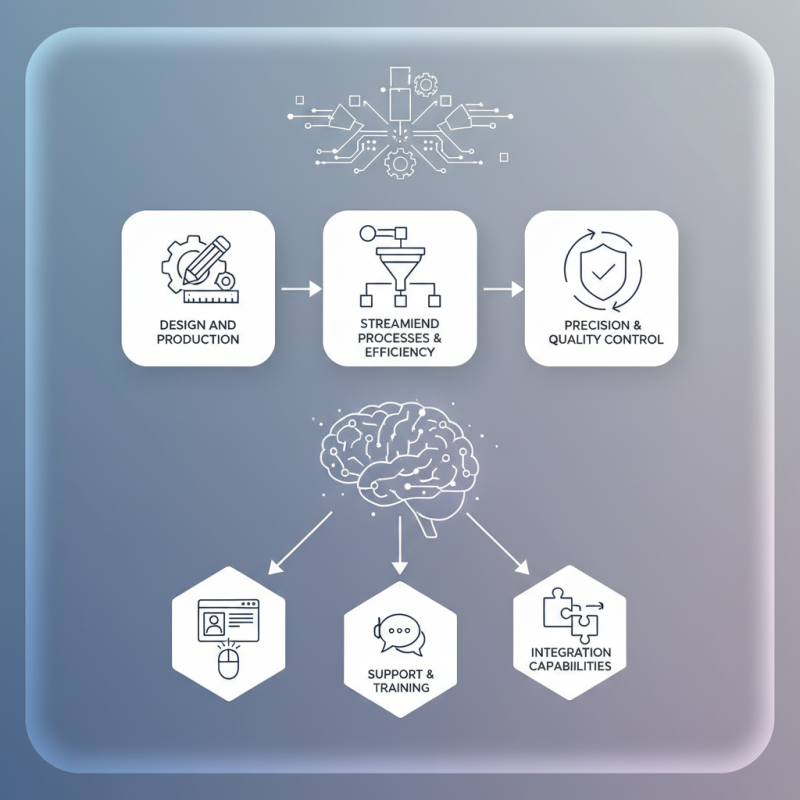
Auto Laser Software streamlines processes, improving efficiency and precision. Companies can access various tools that facilitate design and production. However, not all software solutions are created equal. Some may lack essential features or usability. Identifying the best options requires diligent research and testing.
Choosing Auto Laser Software involves considering factors like ease of use, support, and integration capabilities with existing systems. It’s easy to overlook these aspects amid the software abundance, but doing so may lead to subpar results. Businesses should invest time in evaluating different solutions to ensure they select one that genuinely meets their operational requirements.
Understanding Auto Laser Software: Key Features and Benefits
Auto laser software is evolving rapidly, providing unique advantages for various industries. Key features include precision, speed, and versatility. Reports indicate that companies using auto laser technology see productivity improvements of up to 30%. This increase can often lead to higher profit margins and reduced operational costs.
One vital benefit is customization. Users can tailor laser settings for different projects, enhancing accuracy and quality. Research highlights that 70% of businesses value customization as key to their workflow efficiency. However, many organizations struggle with integration into existing systems. The learning curve can be steep, leading to initial inefficiencies and frustration among employees.
Data security is another critical feature that warrants discussion. As more businesses adopt cloud-based solutions, safeguarding sensitive information is essential. Flaws in security protocols can expose companies to risks, leading to potential data breaches. Continuous training and updates are necessary to mitigate these risks, demanding a proactive approach to software management. Balancing these needs can be challenging, but the benefits often outweigh the drawbacks.
Types of Auto Laser Software: Which One Suits Your Business?
When choosing auto laser software, understanding the types available is crucial for your business. There are several key categories. First, you have design software, essential for creating precise graphics. This type allows customization and can enhance your creative processes. Many small businesses benefit from design tools that integrate easily with laser machines.
Next, production software is critical for managing workflows. This software optimizes production schedules, tracks materials, and monitors machine performance. It can minimize downtime, which is often costly. However, some users find these systems complicated. Training may be necessary, but the benefits are often worth the effort.
Lastly, consider management software that oversees inventory and customer relations. It streamlines operations and improves service quality. Your business could gain visibility into customer preferences and order history. Nevertheless, reliance on digital systems may cause issues if data integrity is not maintained. Evaluating your business needs against these options is vital. Finding the right fit can lead to increased efficiency and productivity.
Comparative Analysis: Leading Auto Laser Software Solutions Available
When exploring auto laser software, it's crucial to consider various factors that impact its effectiveness. Key features to evaluate include user interface, customization options, and compatibility with existing machinery. A clear and intuitive interface can streamline operations, allowing users to focus on creativity rather than technical hurdles. Customizable settings enable unique projects, catering to different materials like wood or acrylic. However, not every solution excels in all areas.
Another point to reflect on is support and community engagement. Some software platforms offer robust customer support, which can be invaluable during troubleshooting. Others may lack adequate resources, leaving users to seek help from online forums. It’s essential to assess the level of documentation provided, as this can enhance user confidence and reduce learning curves. Ensuring a strong support network may significantly affect the user experience and overall satisfaction.
Finally, learning curves can vary widely. Some solutions claim to be user-friendly yet present challenges for beginners. Conversely, more complex systems may offer powerful features but require extensive training. It's essential to weigh these factors against your team's expertise and project requirements, ensuring a balance between functionality and usability. Reflecting on these aspects can guide your decision-making process in selecting the best auto laser software.
Best Auto Laser Software Solutions for Your Business Needs
This bar chart presents a comparative analysis of various features of leading auto laser software solutions based on their effectiveness and user satisfaction. The data reflects average ratings in key areas that are crucial for business needs.
Implementation Strategies for Auto Laser Software in Your Business
Implementing auto laser software can vastly improve efficiency in manufacturing and design processes. Many companies report a 30% increase in productivity after integration. This transition requires careful planning and change management strategies. Understanding your team's current capabilities is vital. Inadequate training can lead to underutilization of software features. Some employees may resist adapting to new technology.
During the implementation phase, it's essential to establish clear goals. Assessing the existing workflows allows businesses to tailor the software's features effectively. Data from the Industrial Laser Solutions report indicates that 70% of businesses that customize their software experience better results. Maintaining communication with your team fosters a culture of openness. Frequent feedback can identify areas that need adjustment.
While the potential for improvement is significant, challenges persist. Some users may struggle with software complexity. Supporting them through regular training sessions can enhance skills over time. Ongoing assessments help identify if the software truly meets evolving business needs. Keeping a flexible mindset allows for continuous improvement. This adaptability is crucial as technology rapidly progresses.
Best Auto Laser Software Solutions for Your Business Needs? - Implementation Strategies for Auto Laser Software in Your Business
| Feature | Description | Benefits | Implementation Strategy |
| User Interface | Intuitive and easy to navigate interface | Increased productivity and reduced training time | Conduct staff training sessions focusing on key features |
| Customization Options | Ability to tailor software to specific business needs | Enhanced relevance of tool for different tasks | Work closely with developers to identify essential features |
| Integration Capability | Seamless connectivity with existing systems | Streamlined operations and data consistency | Plan phased integration with existing workflows |
| Technical Support | 24/7 customer support and troubleshooting services | Reduced downtime and immediate resolution of issues | Establish a clear communication channel with support teams |
| Cost-Effectiveness | Affordable pricing and ROI tracking | Justifies investment through measurable outcomes | Set up budget reviews to assess software impact regularly |
Customer Support and Training: Ensuring Successful Software Adoption
When adopting new auto laser software, customer support and training are vital components. Without proper guidance, users may struggle to understand the software's full capabilities. This can lead to frustration and misguided efforts. Therefore, businesses must prioritize engaging training sessions tailored to various user levels. Accessible learning resources increase confidence and proficiency.
Customer support also plays a critical role in successful software adoption. Responsive teams can alleviate concerns promptly. Users should feel assured that help is available when needed. However, some may find that support is not as responsive as expected. This gap can hinder productivity and decrease morale.
Balancing expert-led training and ongoing support creates an environment ripe for success. Regular feedback from users can help refine training programs. Engaging with initial challenges openly fosters a culture of continuous improvement. This proactive approach ensures that businesses maximize their software investment while building a skilled workforce.