- Proudly Made in the USA
Choosing the right dispensary display cases is a practical retail decision, not simply a design exercise. In a regulated store, each case must support product visibility, secure handling, clear labeling, and a calm customer experience. Glass panels should remain clean and easy to inspect. Locking systems should feel dependable without making the space feel intimidating. Lighting must reveal details without creating glare.
Small details matter.
A case positioned near the consultation counter can improve staff access and customer guidance. Adjustable shelves can accommodate different package sizes as inventory changes. Durable materials also reduce maintenance, especially in busy stores with frequent cleaning. These observations come from everyday retail challenges, where attractive fixtures sometimes create awkward sightlines or slow down service.
This guide reviews seven dispensary display cases for legal retail environments. Each option is considered for construction quality, security, visibility, storage flexibility, and long-term value. The discussion also recognizes practical requirements, including accessibility, local regulations, and responsible product presentation. No single case suits every floor plan. That is worth remembering.
A premium case may exceed a small shop’s needs. A budget model may require better lighting or upgraded locks. Retailers should compare specifications carefully and confirm compliance with applicable rules before purchasing. The best choice balances professional presentation with reliable daily performance. It should protect inventory, support informed decisions, and help staff work efficiently without unnecessary complexity.
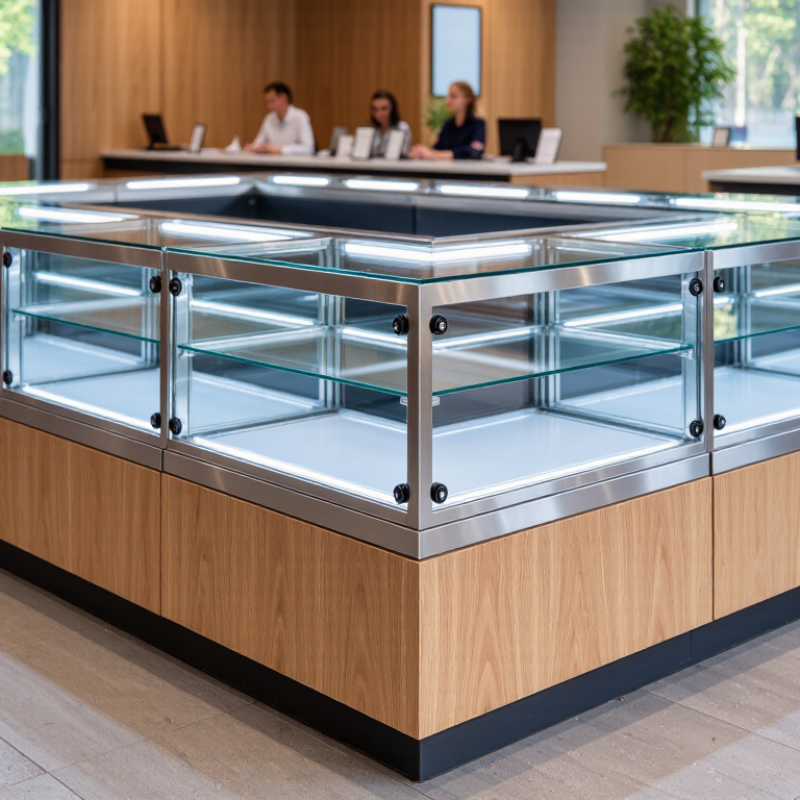
Legal retail stores need display cases that balance visibility, access control, and customer comfort. The 2023 National Retail Security Survey reported an average retail shrink rate of 1.44% of sales. That figure supports stronger case design, especially in high-traffic areas. Locking glass towers suit small, high-value products. They provide visibility without allowing casual handling.
Countertop cases work well for guided consultations and limited floor space. Their lower height encourages conversation and easier product comparison. Wall-mounted cases save valuable floor area, while modular gondola cases support frequent layout changes. A 2024 retail design report from the International Council of Shopping Centers emphasized flexible layouts as stores adapt to changing customer missions. The practical lesson is simple: fixed displays can become expensive obstacles.
Temperature-sensitive goods need ventilated, monitored cases with stable internal conditions. Heavy-duty security cases may be better near entrances or checkout points.
Choose laminated glass, concealed hinges, and adjustable LED lighting. Lighting matters more than many teams expect. Harsh glare can reduce label readability and make the space feel uncomfortable.
Test the case in real use. Open the lock repeatedly. Check wheelchair clearance. Watch how staff move during busy periods. A perfect case does not exist. I would still question oversized displays; they may look impressive but waste floor space and increase cleaning time. Retailers should document inspections, cleaning schedules, and temperature readings for reliable daily control.

The best display cases make regulated products easy to view without inviting unnecessary handling. A lockable tempered-glass counter works well for high-value items. Tiered acrylic shelves improve sightlines, while wall-mounted cases save floor space. Rotating towers help customers compare packaged products from different angles. Drawer-style cases support organized storage beneath the display. Modular cases allow staff to adjust shelf heights as inventory changes. A temperature-controlled case may suit products requiring stable conditions, but only when storage requirements clearly demand it.
Visibility depends on more than bright lighting. Use soft, even illumination that reduces glare on labels and glass. Keep key information facing forward, including size, ingredients, and safety directions. Rounded corners and stable bases reduce avoidable injuries. Locking doors, shatter-resistant panels, and controlled staff access add practical protection. The viewing height should also work for seated customers and people with limited reach.
In retail settings, I have found that clutter quickly weakens customer confidence. Too many samples can hide essential details. Keep displays clean and leave space between items. That space matters. Staff should inspect hinges, locks, lighting, and glass each day. A case can look secure while its latch is failing. I once underestimated how quickly fingerprints reduced readability under strong lights. Regular cleaning and honest inspection are simple, but they are easy to neglect.
Choosing a dispensary display case starts with the product, not the furniture. Flower needs clear visibility and stable, protected storage. Pre-rolls need organized compartments that prevent crushing. Edibles benefit from shelves with readable labels and enough depth for compliant packaging. New Frontier Data’s 2024 U.S. Cannabis Consumer Series identifies product quality and price as major purchase factors. A case should support both.
Security matters just as much. Select laminated glass, a reliable lock, and rounded edges near busy walkways. Adjustable lighting can reveal color and packaging details without creating glare. The 2024 MJBiz Factbook projected U.S. legal cannabis sales above 30 billion dollars, increasing the need for efficient retail design. That scale also exposes weak displays quickly. Test the case during a busy shift. Can staff reach products without blocking customers?
Accessibility and compliance require practical judgment. Keep labels visible from standing height, separate product categories clearly, and leave room for required warnings. Measure humidity and temperature where sensitive products are displayed. Some cases look excellent but create dead corners or awkward cleaning problems. I would rather choose a simpler case that staff can sanitize daily. Appearance matters. Operational reliability matters more.
7 Best Dispensary Display Cases for Legal Retail
Security, Compliance, and Accessibility Considerations
A strong dispensary display case protects products without making customers feel distrusted. Lockable glass cases, counter cases, wall-mounted cases, and modular cabinets support different floor plans. Choose laminated or tempered glass, reinforced locks, and fixed anchors. A case that moves easily is not secure enough. Keep valuable inventory visible to staff, not directly beside an unlocked entrance. Security cameras should capture faces, case openings, and payment areas without creating blind spots.
Compliance also shapes the best display choice. Confirm local rules for age-restricted sales, product visibility, labeling, storage, and staff access. Freestanding cases work well for controlled viewing, while sliding-door cases can speed service during busy periods. Adjustable shelving helps separate product categories and required information. Built-in lighting should show labels clearly, but excessive brightness may cause glare. That detail is easy to miss. Keep cleaning records, lock checks, and inventory audits consistent. Small gaps can become serious compliance problems.
Accessibility deserves equal attention. Use low and mid-level shelves, clear aisle widths, and displays readable from seated positions. Wall cases should not force customers to stretch or lean. Counter cases should leave enough space for payment and conversation. Rounded edges and stable bases reduce avoidable injuries. Staff should offer verbal descriptions when labels sit behind glass. Not every attractive case is practical. A polished design may still block a wheelchair or hide essential information. Test each case with different customers before installation, then revise what fails.
Design comparison based on four practical retail criteria: locking security, product visibility, accessibility flexibility, and compliance readiness. Scores use a 0–3 rubric; they are design-level evaluations, not company or brand data.
Accessibility planning should account for the ADA forward-reach range of 15–48 inches where applicable. Cannabis product access and display rules vary by jurisdiction, so final case selection should be checked against local licensing and security requirements.
7 Best Dispensary Display Cases for Legal Retail
Placement and maintenance determine whether a display case supports trust or creates friction. In a legal retail setting, choose from wall-mounted, countertop, pedestal, tiered, mobile, lockable glass, and softly lit cases. Place high-interest items near natural customer paths, not beside entrances where traffic becomes crowded. Keep sightlines open for staff supervision. A case should invite attention without blocking conversation or accessibility.
Use clear labels, consistent spacing, and neutral lighting. Avoid placing reflective glass beneath harsh ceiling lights. It creates glare and makes details difficult to read. Keep frequently requested items between waist and eye level. Reserve lower shelves for backup information or less frequently viewed products. Lockable cases should open smoothly and remain within trained staff’s view. Local age-control and safety requirements should guide every final placement.
Maintenance needs a routine, not a rushed wipe before opening. Clean glass with a lint-free cloth each morning, then check hinges, locks, lighting, and shelf stability. Remove fingerprints quickly; they are small, but they weaken the polished appearance. Replace faded labels and empty display cards promptly. Product rotation should follow documented inventory procedures. One layout may look attractive but slow customer movement. Test it for a week, observe where people pause, and adjust carefully. Perfect placement is rarely permanent.
| No. | Display Case Type | Typical Working Dimensions | Best Placement | Ideal Merchandise | Security and Visibility Features | Maintenance and Merchandising Guidance |
|---|---|---|---|---|---|---|
| 1 | Lockable Wall-Mounted Glass Case | Width: 36–72 in Height: 30–48 in Depth: 10–16 in | Along the main shopping wall or behind a consultation counter where staff can monitor customer access. | Small packaged products, accessories, pre-roll tubes, topicals, and educational sample packaging. | Tempered glass, keyed or electronic locks, adjustable shelves, and LED lighting help protect products while keeping them visible. | Clean glass daily in high-contact areas. Keep labels facing forward and leave enough shelf space to prevent packages from being hidden by the front frame. |
| 2 | Freestanding Island Display Case | Length: 48–72 in Width: 24–36 in Height: 36–42 in | Near the center of the sales floor, provided that required customer and staff circulation paths remain unobstructed. | Featured categories, seasonal collections, new product formats, and comparison displays. | Four-sided visibility, lockable access panels, rounded corners, and a stable weighted base support safe floor placement. | Dust all exposed surfaces at least daily. Rotate featured products weekly and keep sightlines open so staff can supervise the entire case. |
| 3 | Lockable Countertop Display Case | Width: 24–48 in Height: 12–20 in Depth: 10–18 in | On a staffed consultation desk, reception counter, or product education station. | High-value accessories, compact devices, sample containers, and products that benefit from close staff explanation. | Sliding or hinged lockable doors, clear panels, removable trays, and a compact footprint make this format suitable for controlled access. | Disinfect touch points at least daily and after heavy customer use. Avoid placing the case where it blocks the accessible portion of a service counter. |
| 4 | Full-Height Vertical Tower Case | Width: 18–30 in Height: 60–78 in Depth: 16–24 in | Against a perimeter wall or in a corner that is visible from the entrance but does not narrow the aisle. | Organized product families, premium packaging, educational displays, and vertically arranged category collections. | Lockable front doors, adjustable shelves, shatter-resistant glazing, and integrated lighting provide strong visibility with limited floor area. | Place heavier items on lower shelves for stability. Check door alignment and locks weekly, and clean lighting covers whenever dust reduces product visibility. |
| 5 | Sliding-Door Back-Bar Case | Width: 48–96 in Height: 36–48 in Depth: 14–20 in | Behind the sales counter or along a staff-controlled back wall where products can be retrieved efficiently. | Multiple product categories, reserve inventory for assisted selling, and displays requiring staff-led comparisons. | Sliding doors save front clearance space, while locks, adjustable shelves, and internal lighting support controlled product presentation. | Keep high-demand items between waist and shoulder height. Wipe door tracks weekly and perform a monthly inventory check for misplaced or expired stock. |
| 6 | Under-Counter Pull-Out Case | Width: 24–60 in Height: 24–36 in Depth: 18–24 in | Integrated below a sales counter or consultation workstation, with sufficient legroom and staff access. | Backstock, serialized devices, reserve packaging, and products that should remain out of reach until selected by staff. | Lockable drawers or doors, concealed hinges, full-extension slides, and labeled compartments improve security and retrieval speed. | Use a first-expire, first-out rotation system where applicable. Inspect drawer hardware monthly and avoid overloading shelves beyond the manufacturer’s rated capacity. |
| 7 | Cash-Wrap Security Display Case | Width: 36–72 in Height: 36–44 in Depth: 16–24 in | Adjacent to checkout, but outside queuing lanes, emergency routes, and any required accessible maneuvering space. | Small accessories, impulse purchases, compliant educational materials, and products selected during final checkout. | Lockable compartments, clear front panels, controlled staff access, and strong task lighting support fast service and loss prevention. | Refresh the assortment weekly based on sales data. Sanitize the counter-facing glass daily, keep prices easy to read, and maintain clear separation between display stock and transaction materials. |
Whether you’re looking for fire-rated walls, doors, openings, floors or a specialty service, we have the solution for you. With over 40 years of experience in testing, innovating, and providing technologically advanced fire-rated glass and framing products, we deliver unyielding performance and quality at a competitive price.
