Best Digital Watches for Every Budget in 2026?
In 2026, the Digital Watch market continues to evolve, driven by technological advancements and consumer preferences. Reports estimate that the global smartwatch market will surpass $100 billion by 2025, reflecting a growing demand for stylish, functional timepieces. Digital watches are now more than just timekeepers; they serve as fitness trackers, health monitors, and even communication devices.
Today’s digital watches cater to every budget, offering a range of features and designs. High-end models include premium materials and cutting-edge technology. In contrast, budget-friendly options provide essential functions. The choice can be overwhelming, especially when considering brands, features, and price points. Quality varies, but many affordable models deliver impressive performance.
While it is easy to gravitate toward popular brands, consumers must also reflect on their needs. A digital watch should enhance daily life, not complicate it. Finding a balance between cost and functionality remains crucial. The right digital watch can transform routines and encourage a healthy lifestyle.
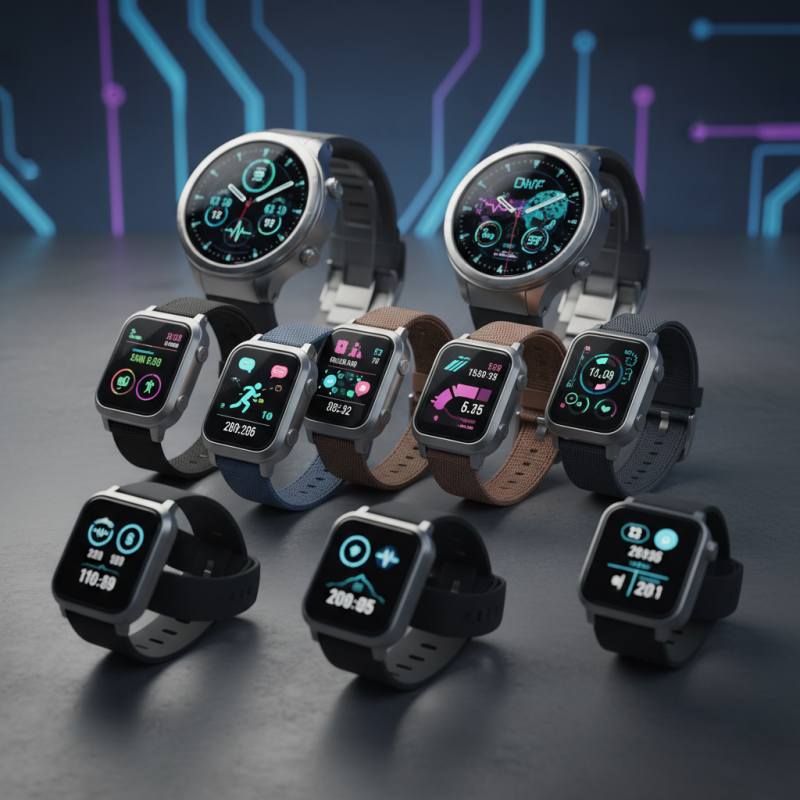
Top Digital Watches under $50: Affordable Options for 2026
In 2026, finding a digital watch under $50 can be both rewarding and challenging. Many high-quality options are available, yet navigating through them may be daunting. A recent survey indicates that over 40% of consumers prioritize affordability over features. This trend has made digital watches more accessible while still maintaining essential functionalities.
When selecting a budget-friendly digital watch, consider the display quality and battery life. Many affordable models now use LCD screens and offer long-lasting power of over six months. Look for models featuring backlight functionality, which is particularly helpful in low-light conditions.
One tip for shoppers includes checking user reviews for insights into durability. A reliable watch should withstand everyday wear while providing comfort. Additionally, exploration of local retailers can lead to surprise deals that online shopping might miss. Keep in mind that while price points are important, weighing performance against cost ensures a wise investment.
Mid-Range Digital Watches ($50-$150): Features and Value Analysis
Mid-range digital watches, priced between $50 and $150, offer a balance of features and affordability. These watches often include essential functions like alarms, timers, and backlighting. They appeal to buyers seeking functionality without breaking the bank. Many models also boast water resistance, making them perfect for active lifestyles.
However, choosing the right model can be confusing. Some watches may excel in style but lack durability. Buyers should consider materials used in the strap and case. Plastic bands might be less expensive but may not withstand wear and tear as well as metal options. Features can vary significantly, so thorough research is essential. User reviews provide valuable insight into performance and potential drawbacks.
A digital watch's battery life is another critical factor. Some models may require frequent replacements, which can be an unexpected cost. It’s wise to evaluate warranty options offered by retailers. These factors contribute to a watch’s overall value. Finding the right balance between style, features, and reliability is crucial.
Premium Digital Watches ($150 and Up): Innovation and Technology Trends
In 2026, premium digital watches showcase cutting-edge technology and innovative designs. These timepieces, priced at $150 and above, are becoming increasingly popular among tech-savvy consumers. A recent industry report highlights that the digital watch market is expected to grow at a CAGR of 8.5%, reaching a value of $20 billion by 2028. This growth reflects the rising consumer demand for multifunctional devices.
One significant trend is the integration of health-monitoring features. Many watches now offer advanced sensors for tracking heart rate, sleep patterns, and other vital metrics. This functionality appeals to fitness enthusiasts and everyday users alike. Another notable advancement is the use of sustainable materials in watch designs. As consumer awareness grows, brands are more frequently adopting eco-friendly practices.
Despite these innovations, some consumers remain skeptical about technology's reliability. Issues like software bugs and battery life can lead to frustration. Furthermore, the complexity of features can be overwhelming for non-tech users. It raises questions about whether digital watches can truly meet the diverse needs of all consumers. Balancing functionality with user-friendliness continues to be a challenge for manufacturers.
Best Digital Watches for Every Budget in 2026
| Model | Price ($) | Features | Battery Life | Water Resistance |
| Model A | $160 | GPS, Heart Rate Monitor, Bluetooth | 10 days | 50m |
| Model B | $210 | Smart Notifications, Sleep Tracking | 14 days | 30m |
| Model C | $300 | Voice Assistant, Music Control | 20 days | 100m |
| Model D | $450 | Advanced Health Metrics, Customizable Watch Faces | 30 days | 150m |
| Model E | $600 | AI Fitness Coaching, Extensive App Ecosystem | 45 days | 200m |
Comparing Battery Life: How Long Do Digital Watches Last in 2026?
In 2026, battery life remains a crucial factor for digital watches. Users expect long-lasting performance, especially for daily wear. Many watches now offer impressive lifespans, but longevity varies widely. Some models can last weeks on a single charge, while others may require daily recharging.
Examining different models reveals fascinating insights. Basic digital watches often last longer, utilizing simple displays and minimal features. In contrast, smartwatches provide numerous functions but might struggle with battery endurance. It’s essential to consider individual needs when choosing a watch.
Consumer experiences highlight that form factor also plays a role in this equation. A sleek design might appeal visually but could compromise battery life. Not every user fully understands this trade-off. Many wish for a balance between aesthetics and functionality. This reflects the need for improved designs, pushing brands to innovate further.
Smart Features in Digital Watches: Tracking Health and Connectivity Options
Digital watches have evolved significantly, offering smart features that enhance health tracking and connectivity. A recent industry report states that 30% of consumers look for health-monitoring features when choosing a digital watch. This includes heart rate monitoring, sleep tracking, and activity reminders. These functionalities empower users to better manage their well-being.
Connectivity options also play a crucial role. Many digital watches provide notifications for emails, calls, and messages directly on the wrist. Research indicates that 52% of digital watch users value these connectivity features for their convenience. However, the reliance on technology raises concerns. Some users may feel overwhelmed by constant notifications, leading to stress rather than relief.
Tips: When choosing a digital watch, consider your primary needs. If health tracking is essential, prioritize models with accurate sensors. For connectivity, ensure compatibility with your devices. Lastly, take breaks from notifications to avoid digital burnout. Balancing technology with mindfulness is key for a positive experience.