Best Arched Outdoor Shelter Options for Your Needs?
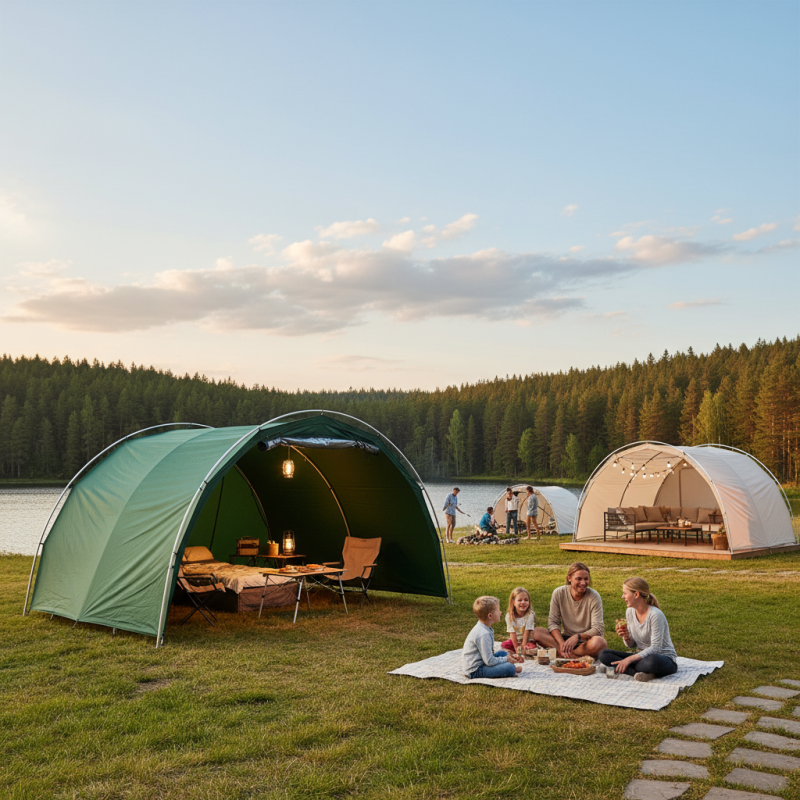
Finding the right outdoor shelter is essential for various activities. Many people Use Arched Outdoor Shelters for their versatility. These structures can meet different needs, from camping to backyard gatherings.
An arched outdoor shelter offers a stable design. It can withstand harsh weather conditions while providing ample space inside. Precise measurements matter when selecting the right size for your needs. Additionally, durability varies among different materials. Some shelters can be lightweight but may sacrifice strength.
When you use arched outdoor shelters, evaluating your specific purposes is crucial. They can enhance outdoor experiences, but not all options are created equal. Consider factors such as ease of setup, portability, and aesthetics. Always remember, the perfect shelter may not exist; sometimes, compromises are necessary.
Understanding Arched Outdoor Shelters: Definition and Benefits
Arched outdoor shelters provide a unique solution for various needs. These structures, characterized by their curved shapes, often offer more strength and stability than traditional options. They can withstand harsh weather conditions, making them suitable for different climates. The wide span of an arched design allows for an unobstructed interior space that can serve multiple purposes, from storage to recreational activities.
Many people appreciate the aesthetic appeal of arched shelters. Their unique designs can blend well with natural surroundings. Some might find these shelters more visually pleasing than flat-roofed structures. However, choosing an arched shelter requires careful consideration. The installation process may be more complex than expected. Not everyone feels confident in their DIY skills. Sealing joints properly is crucial to avoid leaks. There is also the issue of material selection. Some materials may wear down faster in certain environments, requiring more maintenance over time.
Understanding the benefits of arched shelters helps in making informed decisions. They can improve airflow, reducing moisture buildup inside. This encourages a healthier environment for stored items or activities. Yet, the cost can be a concern. Weighing the initial investment against long-term value is vital. Balancing these factors can lead to better choices for any outdoor space.
Key Factors to Consider When Choosing an Arched Outdoor Shelter
When selecting an arched outdoor shelter, consider its purpose. Will you use it as a garden shed or a vehicle cover? Understanding your needs is crucial. Choose a size that fits your space and usage. A larger shelter may provide versatility. However, it can also occupy unnecessary space.
Material is another important factor. Look for durable options like galvanized steel or high-quality polyethylene. These materials offer strength and weather resistance. However, lighter materials can be less expensive and easier to install. Reflect on how much weather exposure your shelter will face. Choose wisely to balance price and longevity.
Ventilation and accessibility are key features too. Ensure that your shelter has proper air flow to prevent moisture build-up. Consider entry points that make accessing stored items simple. If you find these features lacking in certain shelters, it may lead to frustration later. Finally, always check for warranties and customer reviews to gauge reliability before purchasing.
Comparing Popular Materials for Arched Outdoor Shelters
When choosing the right materials for arched outdoor shelters, several options come into play. Metal arches, such as galvanized steel and aluminum, are increasingly popular for their durability. According to recent industry reports, metal shelters can withstand winds of up to 120 mph, making them reliable in extreme weather. Their long lifespan often exceeds 20 years, even with minimal upkeep. This is crucial for consumers seeking longevity in their investments.
On the other hand, fabric structures are lighter and more versatile. Fabric shelters provide excellent UV protection and can be engineered to block 99% of harmful rays. However, they may require more frequent maintenance. Data suggests that fabric shelters typically last between 5 to 10 years, depending on climate conditions. Factors such as exposure to harsh weather can significantly reduce their longevity.
Wooden arched shelters add an aesthetic appeal but come with certain challenges. Wood is susceptible to rot and insect damage if not adequately treated. Reports indicate that untreated wooden structures may last only 3 to 5 years in moist climates. Regular inspections and maintenance are vital, which some homeowners overlook. Evaluating these materials requires careful consideration of both immediate needs and long-term implications.
Best Arched Outdoor Shelter Options for Your Needs?
| Material Type | Durability (Years) | Cost (USD) | Weight (lbs) | Maintenance Level | Best Use Case |
| Steel | 20+ | 800 | 500 | Low | Heavy-duty storage |
| Aluminum | 15-20 | 600 | 300 | Medium | Temporary events |
| Fabric | 5-10 | 300 | 100 | High | Casual gatherings |
| Wood | 10-15 | 1000 | 400 | Medium | Permanent structures |
Top Arched Outdoor Shelter Options for Different Environments
When considering arched outdoor shelters, the environment plays a crucial role. In regions with **heavy snowfall**, a steeply arched design helps prevent snow accumulation. For windy areas, selecting a shelter with reinforced materials ensures stability against strong gusts. Additionally, for areas with heavy rainfall, look for designs that allow for proper drainage.
Tips: Assessing your location's climate is essential. Think about the local weather patterns when choosing your shelter. You want it to last through harsh conditions.
In more temperate climates, functionality remains key. Lightweight, customizable options might be ideal for seasonal use. Yet, you should be cautious—temporary structures can sway in sudden storms. Always have a secure anchoring system to ensure safety against unpredictable weather.
Tips: Consider how often you plan to use the shelter. If it's long-term, investing in durable materials pays off. For occasional use, simpler setups could be sufficient. Make sure to evaluate all available options before making a decision.
Installation and Maintenance Tips for Arched Outdoor Shelters
When selecting arched outdoor shelters, proper installation and maintenance are critical for longevity. Ensure you start on a flat, stable surface. Take time to measure and mark the area. This prevents future issues with alignment. Poor installation can lead to structural weaknesses.
Regular maintenance is crucial. Check for rust or wear on the frame. Clean the shelter regularly to avoid debris accumulation. Inspect joints and connections; these areas often need reinforcement. Remember to replace any damaged components as soon as possible.
Here’s a tip: consider seasonal changes. Different weather conditions can affect the integrity of your shelter. In winter, snow and ice can add extra stress. Remove heavy snow buildup promptly. Examine the shelter after storms to identify potential damage. Thoughtful attention to these details can extend the life of your outdoor shelter significantly.