Best Aluminum Alloy Profiles for Global Buyers in 2026?
In the competitive world of manufacturing, selecting the right materials is crucial. Aluminum Alloy Profiles stand out for their versatility and strength. As we approach 2026, global buyers must pay close attention to these materials. The quality of aluminum alloy profile can significantly impact the performance of various applications.
Understanding the different types of aluminum alloys is vital for making informed decisions. Some profiles offer enhanced corrosion resistance. Others provide lightweight options without sacrificing strength. Buyers should also consider the environmental impact of their choices. The market is evolving, and the demand for sustainable materials is on the rise.
Navigating the vast array of options can be daunting. Not all suppliers meet the same standards. Researching and vetting manufacturers is essential. Building long-term relationships with reliable partners can lead to better results. Reflecting on these factors will help buyers make intelligent choices in the coming years. Investing time in understanding aluminum alloy profiles can yield substantial returns.
Emerging Trends in Aluminum Alloy Profiles for Global Markets in 2026
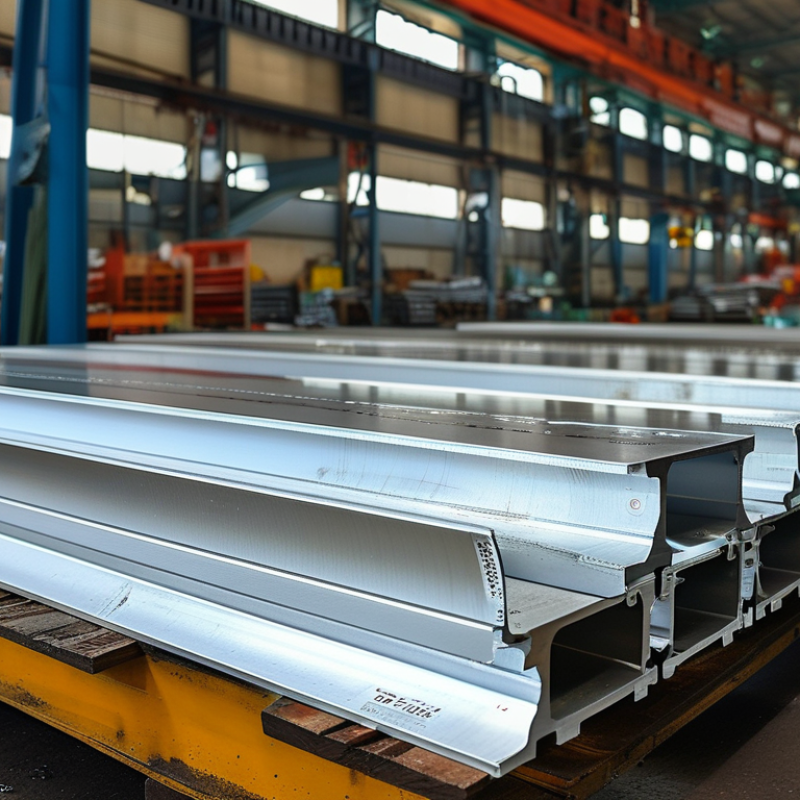
The aluminum alloy profiles market is evolving rapidly as we approach 2026. Emerging trends show a shift towards sustainability and lightweight materials. Companies are prioritizing eco-friendly production processes. In this context, recycling aluminum becomes a crucial factor. This ongoing trend aims to reduce energy consumption while creating high-performance profiles.
Another notable development is the focus on customization. Buyers are increasingly seeking specific designs tailored to their needs. The demand for innovative shapes and sizes is rising. This desire for flexibility challenges manufacturers to enhance their engineering capabilities. Moreover, technological advancements play a vital role in creating more durable alloys that retain structural integrity.
Despite these positive trends, the industry faces hurdles. Supply chain disruptions can impact the availability of raw materials. Additionally, fluctuating prices present a challenge for budget management. Buyers must navigate these complexities carefully. Overall, the aluminum alloy profiles market in 2026 will demand adaptability from both buyers and suppliers.
Best Aluminum Alloy Profiles for Global Buyers in 2026
This chart illustrates the projected demand for various aluminum alloy profiles across different industries in 2026. The data indicates a growing interest in specific profiles, driven by trends in lightweight construction, automotive applications, and sustainability demands.
Key Characteristics and Advantages of Top Aluminum Alloys Profiles
Aluminum alloys are becoming increasingly popular in various industries. Their lightweight nature makes them suitable for aerospace, automotive, and construction applications. In 2026, specific aluminum alloy profiles stand out due to their unique characteristics. Profile 6061, for example, is known for its strength and corrosion resistance. This makes it ideal for structural components.
Another important profile is 7075 aluminum. It offers high strength and exceptional performance in demanding environments. However, this alloy can be challenging to machine and weld. These characteristics require careful consideration when selecting a profile. Buyers need to weigh the benefits against the potential difficulties in handling these alloys.
Profiles like 2024 also hold promise for global buyers. They provide excellent fatigue resistance, which is crucial in applications like aircraft components. Yet, their susceptibility to corrosion poses a risk that cannot be overlooked. Buyers must assess both the advantages and the drawbacks of these aluminum alloys to make informed decisions. Emphasizing both reliability and usability remains key in the selection process.
Comparative Analysis of Popular Aluminum Alloys for Various Applications
In 2026, the aluminum alloy market presents a wide array of choices for global buyers. Various aluminum alloys serve distinct applications, each with unique properties. For structural applications, 6061 alloy is favored due to its excellent corrosion resistance and good weldability. It finds use in construction and automotive sectors, where strength and durability are crucial.
Another popular contender is the 7075 alloy, known for its high tensile strength. It is commonly used in aerospace applications, where weight reduction and strength are paramount. However, it can be challenging to work with due to its lower corrosion resistance compared to other alloys. Users must consider surface treatment options to mitigate this issue.
Furthermore, the 5005 alloy excels in decorative applications due to its aesthetic appeal and resistance to fading. It's often employed in architectural elements. Nevertheless, while 5005 is visually striking, its strength may not match that of other alloys. Buyers should reflect on their specific requirements when choosing the best aluminum alloy for their projects. The decision-making process needs careful consideration to balance aesthetic, mechanical, and functional properties.
Sustainability and Environmental Impact of Aluminum Alloy Production
Aluminum alloy production carries significant environmental implications. According to the International Aluminum Institute, the industry generated over 1.5 billion tons of greenhouse gases in 2021 alone. The extraction process of bauxite ore, a primary aluminum source, requires immense energy. This often comes from fossil fuels, exacerbating climate change issues. Alternatives for cleaner energy sources are available but not widely adopted.
The recycling of aluminum offers a more sustainable route. The Energy Information Administration states that recycled aluminum uses 90% less energy than newly produced aluminum. Despite this, only about 75% of aluminum is recycled globally. Moving forward, improving recycling rates remains crucial. Moreover, advancements in production techniques must happen simultaneously.
Challenges persist in balancing growth and sustainability. More stringent regulations may push the industry toward greener practices. Recent reports indicate a shift toward developing low-carbon technologies, yet progress is slow. The need for collaboration among stakeholders is evident. Only through joint efforts can the industry hope to minimize its environmental footprint effectively by 2026.
Market Forecast: Demand and Pricing Trends for Aluminum Alloys in 2026
The demand for aluminum alloys is set to rise significantly in 2026. Industries are seeking lightweight and durable materials. This trend is crucial for sectors such as automotive, aerospace, and construction. As innovation continues, we expect an increase in the use of advanced aluminum alloy profiles.
Pricing trends for aluminum alloys will also shape the market. Factors such as raw material costs and global trade dynamics will play a role. It’s vital to consider that fluctuations in demand may lead to volatile pricing. Some buyers might face challenges in negotiating better rates. Nevertheless, those who can adapt will benefit from the growing market.
In addition to demand and pricing, sustainability will be an essential aspect. More manufacturers are focusing on eco-friendly production methods. However, the implementation may vary across the globe. This inconsistency can lead to confusion and potential setbacks. Companies need to align their practices with emerging regulations to stay competitive. Through reflection and adaptation, buyers can better navigate this evolving landscape.