What Are the Best 1 Hour Fire Rated Windows in 2026?
Choosing the best 1 hour fire rated windows in 2026 requires more than comparing glass thickness or frame appearance. A window may look robust, yet fail when the complete assembly faces heat, pressure, and smoke. The frame, glazing, seals, hardware, and surrounding wall must work together during testing. That detail is easy to miss.
In practical building projects, certification documents often matter more than attractive product images. Look for independently tested assemblies with a clearly stated one-hour rating, approved installation limits, and traceable manufacturer data. Check whether the rating covers fire resistance, fire protection, or both. These terms are not interchangeable. A certified window installed with the wrong wall system may lose its expected performance. Installation errors can be surprisingly ordinary, such as an incorrect fastener, a damaged seal, or an unapproved joint compound.
This guide examines leading options through tested performance, glazing technology, frame construction, maintenance, and installation support. It also considers visibility, daylight, ventilation limits, and long-term value. Not every impressive specification deserves confidence. Sometimes, the least glamorous document is the most useful one. I may sound cautious, but fire-rated construction rewards careful verification.
Readers should confirm local building requirements and consult qualified fire-safety professionals before specifying a product. Standards, approvals, and product availability can change during 2026. The “best” choice depends on the building’s risk profile, wall construction, budget, and inspection requirements. A window should not merely survive a brochure comparison. It must perform as a tested system.
Define 1-Hour Fire-Rated Windows Under UL 9 and ASTM E119 Standards
What Are the Best 1 Hour Fire Rated Windows in 2026?
A one-hour fire-rated window is not simply thick glass in a metal frame. Under UL 9, the complete window assembly is tested for fire exposure, temperature control, and, where required, the hose-stream test. The frame, glazing, seals, fasteners, and installation method all matter. A certified assembly must maintain its required performance for approximately 60 minutes under laboratory conditions.
ASTM E119 evaluates fire resistance in building assemblies, such as walls, floors, and partitions. It helps establish whether a wall system can resist fire for one hour. However, an ASTM E119 wall rating does not automatically make every window inside it one-hour rated. The window must have compatible test evidence and a listed installation arrangement. This distinction is often overlooked.
Look at the complete tested assembly.
In practice, I would verify the rating label, glazing type, frame material, maximum size, and permitted wall construction. Site conditions can differ sharply from laboratory setups. Oversized openings, altered anchors, damaged seals, or unapproved glazing compounds may reduce performance. Product documents should identify the exact standard, exposure time, temperature limits, and installation details. A one-hour claim without these details deserves careful review. Even experienced teams can misread a wall rating as a window rating, so independent review remains sensible before ordering or installing the assembly.
What Are the Best 1-Hour Fire-Rated Windows in 2026?
A 1-hour fire-rated window assembly is one that has been tested to withstand fire exposure for 60 minutes under the applicable test method. UL 9 is specifically used for window assemblies, while ASTM E119 is a general fire-resistance test method for building assemblies. The rating applies only to the complete tested assembly, including the frame, glazing, and hardware.
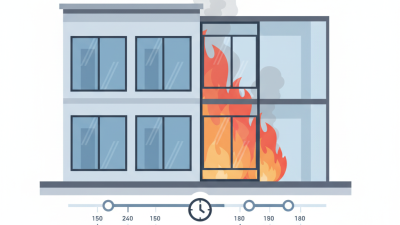
The chart compares the one-hour benchmark in minutes. When selecting a 1-hour window, verify the exact listing, tested size limits, frame material, glazing type, hose-stream performance where required, and installation conditions. ASTM E119 should not be treated as a window product certification by itself; the tested assembly and applicable listing control the final rating.
Compare 60-Minute Integrity, Insulation, and Hose-Stream Performance
What Are the Best 1 Hour Fire Rated Windows in 2026?
The best one-hour fire-rated window is a tested assembly, not just special glass. It must protect for 60 minutes under a recognized fire test. Integrity means flames and hot gases stay contained. Insulation limits heat transfer through the unexposed face. Hose-stream performance tests whether the assembly survives a cooling water blast after heating. That final test can expose weak frames, seals, or glazing joints.
In practical inspections, the frame often deserves as much attention as the glass. A certified window should include compatible glazing, seals, hardware, and installation details. Check the listed wall type, opening size, mounting method, and temperature limits. A window that passes alone may fail when installed in an unsuitable wall. That detail is easy to miss. It should not be.
Tips:
Ask for the complete test report and certification scope. Confirm the 60-minute rating covers integrity, insulation, and hose-stream exposure. Inspect gaskets for gaps, compression, and damage. Never substitute ordinary sealant or hardware without written approval. Keep the manufacturer’s installation instructions on site. I would also request a sample installation review before ordering multiple units. It costs time, but prevents expensive corrections. Specifications can look convincing while leaving one critical condition unclear.
Evaluate Fire-Rated Glass Types: Ceramic, Wired, and Intumescent Systems
What Are the Best 1 Hour Fire Rated Windows in 2026?
Choosing a one-hour fire-rated window starts with the glass system, not appearance. NFPA’s Fire Loss in the United States During 2023 estimated 1,388,500 fires and 3,670 civilian deaths. That context makes tested assemblies essential. Ceramic glass handles intense heat and thermal shock well. It often provides strong visibility, but its slight tint can affect design expectations. Wired glass remains familiar and economical in some applications. However, its wire mesh does not automatically create a one-hour rating. The complete window must pass the required fire-resistance test.
Ceramic glass handles intense heat and thermal shock well. Wired glass remains familiar and economical in some applications. However, its wire mesh does not automatically create a one-hour rating.
Intumescent glass uses reactive layers that expand during fire exposure. These layers can create an insulating barrier while maintaining a cleaner visual appearance. They may also offer better acoustic and daylight performance than older wired systems. According to ASTM and UL test frameworks, ratings depend on the frame, glazing compound, seals, and installation details. A one-hour label is not transferable between unrelated assemblies. Check the tested size, wall type, temperature limits, and hose-stream results.
Look closely at the edges.
In practice, I inspect perimeter seals first. Small gaps around a frame can undermine an otherwise impressive glass unit. Ceramic may be the practical choice near severe heat sources. Intumescent systems suit occupied spaces where clarity matters. Wired glass can still work, but its limitations deserve honest review. The imperfect part is cost: the clearest option is rarely the cheapest. Specification decisions should follow the project’s tested assembly, not a sample viewed in isolation.
Rank Window Frames by Steel, Aluminum, and Timber Fire-Resistance Data
A one-hour fire rating applies to the complete window assembly, not the frame alone. EN 13501-2 separates integrity (E) from insulation (I), while EN 1634-1 evaluates doors, shutters, and openable windows under controlled fire exposure. Steel usually ranks highest for dimensional stability. However, uninsulated steel transfers heat rapidly and may fail insulation limits. Aluminum ranks below steel unless it uses insulated chambers, fire-resistant glazing, and carefully protected hardware. Its lower melting point remains a concern.
Timber can perform surprisingly well. Its low thermal conductivity slows heat transfer, while controlled charring creates a protective layer. Test evidence under NFPA 257 and BS 476-22 shows that timber assemblies can reach 60 minutes when sections, joints, seals, and glass are designed together. The ranking is therefore practical, not absolute: steel first for stability, timber close behind for insulation potential, and aluminum third without specialized detailing. With certified thermal breaks, aluminum can challenge timber in selected systems.
Site experience exposes a common weakness. Gaps around the frame often fail before the frame does. Poorly fitted intumescent seals, unapproved glass substitutions, and weak masonry interfaces can erase laboratory performance. The 2024 National Fire Protection Association fire-loss data also reinforces the need for tested assemblies, because real fires develop unevenly and expose installation defects. A better specification names the tested glass, frame, seal, wall connection, and inspection method. Material labels alone are not enough. That part is often overlooked.
What Are the Best 1 Hour Fire Rated Windows in 2026? — Ranking Window Frames by Steel, Aluminum, and Timber Fire-Resistance Data