Top 10 Benefits of Window Wall Systems for Modern Buildings?
In the modern architectural landscape, efficiency and aesthetics are paramount. The window wall system emerges as a popular solution, blending seamless glass facades with structural integrity. According to a report by the Glass Association, the market for window wall systems is expected to grow by 20% in the next five years. This surge is fueled by increasing demands for energy-efficient and visually appealing buildings.
Industry expert Dr. Emily Garza emphasizes the significance of window wall systems, stating, "The future of sustainable architecture lies in integrated designs that maximize natural light and minimize energy consumption." These systems offer numerous benefits, from improved thermal performance to enhanced natural illumination in interiors. However, challenges remain, such as installation costs and structural limitations.
Despite its advantages, not all window wall systems are created equal. Some may suffer from thermal bridging, leading to inefficiencies. Building owners must critically assess their options. They must consider factors like climate and environmental conditions. Ultimately, the window wall system represents a promising direction for modern design, yet demands careful implementation and ongoing evaluation.
Benefits of Enhanced Natural Lighting in Window Wall Systems
Natural lighting profoundly impacts modern buildings.
Window wall systems prove advantageous here. They allow more sunlight to enter spaces, enhancing both aesthetics and functionality.
A study by the American Institute of Architects shows that natural light can boost productivity by 15%.
This is crucial for office environments where performance counts.
Moreover, natural light positively influences mental health.
Exposure to sunlight can reduce stress and improve mood. According to the World Health Organization, adequate natural daylight contributes to overall well-being.
However, not all designs maximize this benefit.
Balancing window sizes and placements can be challenging. Oversized windows may lead to glare or overheating, which detracts from comfort.
Despite these challenges, many architects embrace window wall systems. They create open, inviting atmospheres.
Spaces feel larger and more connected to the outside world.
In turn, this connection is essential for fostering creativity.
In an industry that values innovation, integrating effective natural light strategies remains pivotal.
Improved Energy Efficiency and Thermal Performance of Modern Design
Window wall systems are becoming the ideal choice for modern architecture. They not only offer expansive views but also enhance energy efficiency. With improved insulation technology, these systems effectively reduce heat loss during winter. In warmer months, they can keep interiors cool, lowering air conditioning needs. More natural light enters spaces, reducing the reliance on artificial lighting.
Despite these advantages, challenges exist. Installing window wall systems requires careful planning and precise execution. Proper sealing is crucial to avoid air leaks. If not installed correctly, energy performance can suffer. Additionally, maintenance becomes a key factor, as glass surfaces can accumulate dust and grime, impacting thermal performance.
In terms of design, some architects might overlook practical energy considerations. Focusing too much on aesthetics can lead to inefficiencies. It's essential to balance visual appeal with functionality. While window wall systems can transform a building's look, they must be integrated thoughtfully for optimal performance.
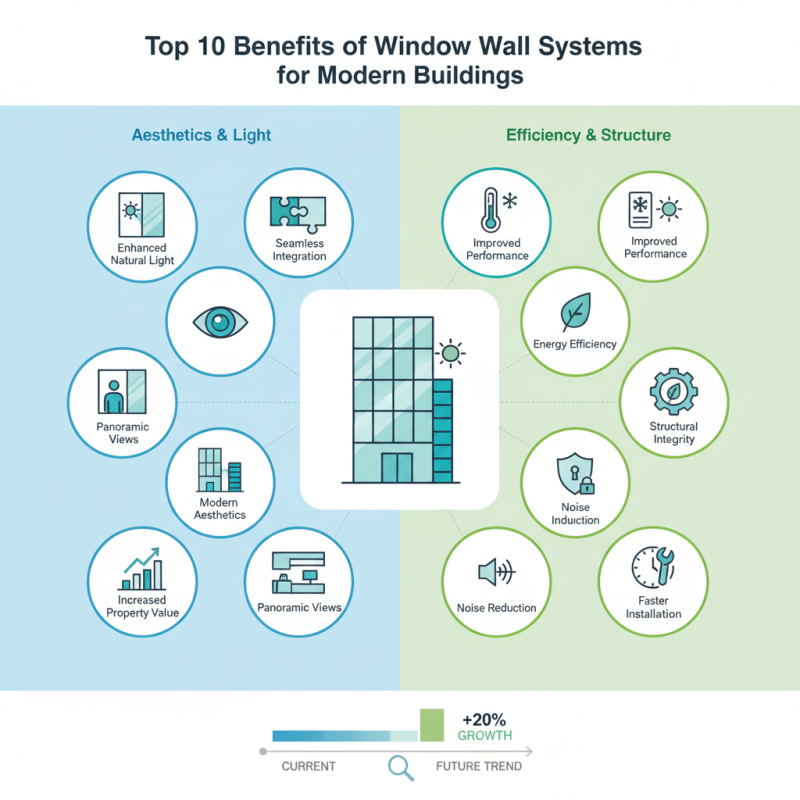
Top 10 Benefits of Window Wall Systems for Modern Buildings
Aesthetic Appeal: How Window Walls Transform Building Exteriors
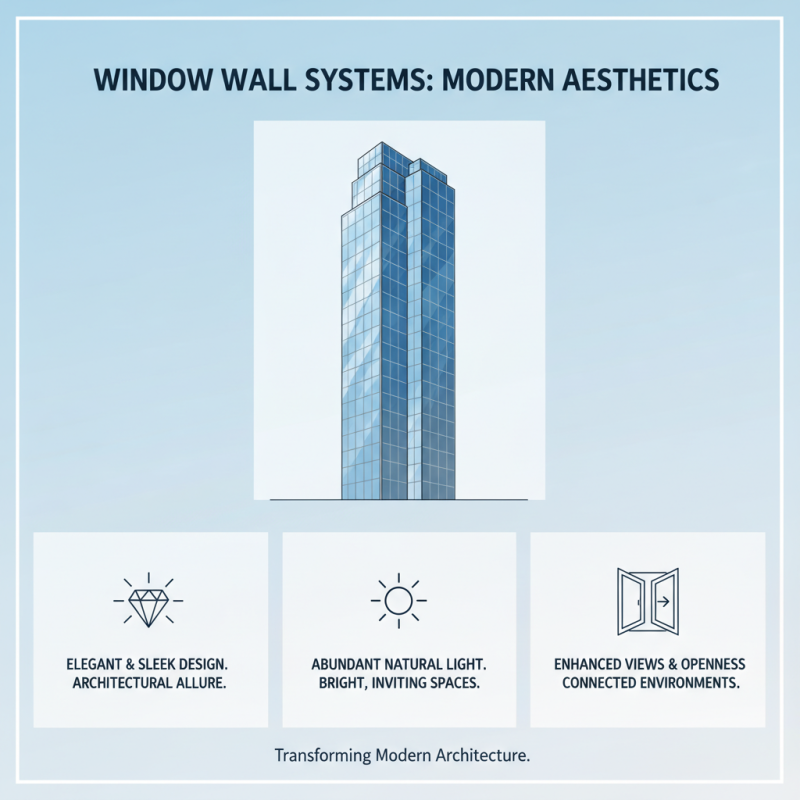
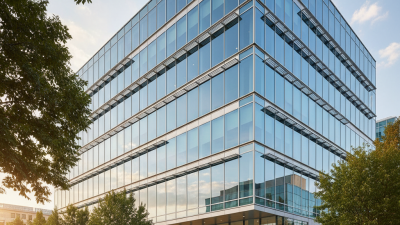
Window wall systems significantly enhance the aesthetic appeal of modern buildings. They create an elegant and sleek look that attracts attention. The expansive glass allows natural light to flood spaces, creating a warm and inviting atmosphere. This openness can change the way occupants interact with their environment.
When considering window walls, think about the views you want to showcase. A well-placed window wall can frame beautiful landscapes or cityscapes. However, selecting the right design is crucial. Poorly aligned panels can disrupt the building's harmony.
Here are some tips for using window walls effectively. Choose the right materials for durability and thermal efficiency. Pay attention to the local climate, as specific glass types can enhance energy savings. Also, take the time to research different configurations. Sometimes, less is more; a minimalist approach can yield stunning results. Be mindful of how the sun's movement affects your space. Balance is key.
Increased Views and Connectivity with the Surrounding Environment
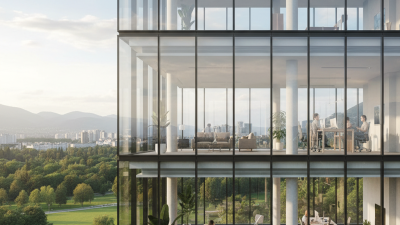
Window wall systems are transforming modern buildings. These systems consist of large glass panels that create a seamless flow between interior spaces and the outdoors. One of the standout benefits is increased views. Occupants can enjoy breathtaking landscapes, cityscapes, or gardens without obstruction. This connection to nature can boost mental well-being and productivity.
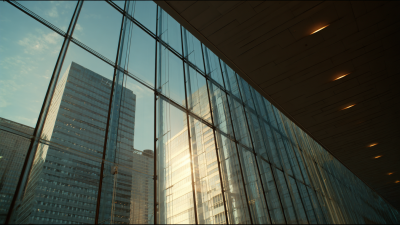
In addition, natural light floods the interior, enhancing the ambiance of each room. Dull spaces become vibrant. A well-lit environment can improve mood and energy levels. However, it’s essential to think about how sunlight affects temperature and glare. Proper shading solutions can help manage these issues.
Tip: Consider the building's orientation. Position window walls to optimize views while minimizing overheating.
The design of window wall systems encourages a sense of community. When spaces are open and inviting, collaboration often flourishes. However, they can also lead to privacy concerns. Striking a balance between openness and seclusion is crucial. Thoughtful layout planning can address these challenges.
Tip: Incorporate flexible partitions. They can provide privacy when needed, while still allowing the option for openness.
Facilitating Ventilation and Air Quality Through Innovative Designs
Window wall systems have revolutionized modern building designs. They facilitate natural ventilation in ways traditional structures struggle to achieve. Increasing fresh air circulation is crucial for indoor air quality. These systems allow for larger openings, which can significantly enhance airflow. Properly designed, they create cross-ventilation, reducing reliance on mechanical HVAC systems. Fresh air makes spaces more comfortable and healthy.
Innovative designs often include operable windows integrated within the wall. Users can control airflow more effectively. This level of customization helps meet individual preferences.
However, there can be challenges. Rain and noise are factors needing consideration when designing these systems. Careful planning is essential to address potential leaks and sound issues. Additionally, not all climates are conducive to creating effective ventilation using window wall systems. Careful site analysis is critical.
Despite these concerns, the benefits are compelling. Spacious views and abundant light enhance the occupant experience. Aesthetic appeal also plays a significant role in choosing these systems.
Sustainability is another aspect worth exploring. By improving air quality naturally, it lowers energy consumption over time. However, balancing design with practicality remains an ongoing challenge for architects and engineers alike.