Top 5 Benefits of Fire Resistant Glass for Enhanced Safety and Durability in Buildings
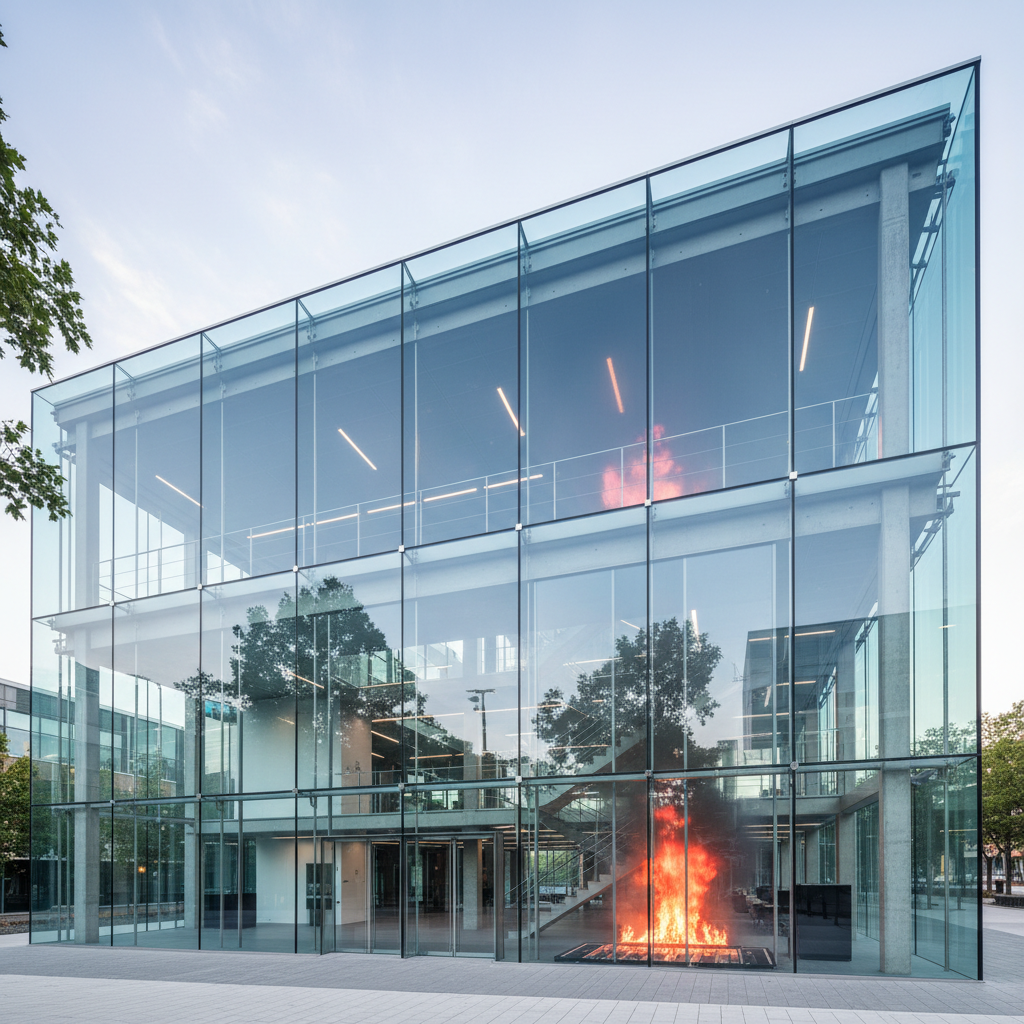
In today's world, the safety and durability of buildings are paramount concerns for architects, builders, and property owners alike. As the need for robust protective measures increases, the incorporation of specialized materials becomes essential. One such material that has gained significant attention is fire resistant glass. This innovative solution not only enhances the aesthetic appeal of a building but also provides critical protection against fire hazards.
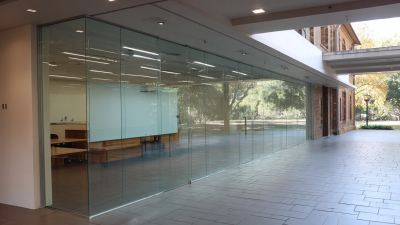
Fire resistant glass is engineered to withstand high temperatures and prevent the spread of flames and smoke, making it an invaluable component in modern construction. Its applications range from fire-rated windows to doors and partitions, creating safe spaces without compromising on design. Building codes and regulations increasingly emphasize the importance of fire safety, positioning fire resistant glass as a key player in ensuring compliance while enhancing the overall resilience of structures.
Understanding the multitude of benefits associated with fire resistant glass is crucial for anyone involved in construction and architecture. From protecting lives to preserving property and enabling peace of mind, the advantages of integrating fire resistant glass into building design are significant. In this article, we will explore the top five benefits of fire resistant glass, shedding light on its vital role in enhancing safety and durability in modern buildings.
Understanding Fire Resistant Glass: Types and Standards for 2025
Fire resistant glass is a crucial component in modern building design, particularly when it comes to enhancing safety and durability. By understanding the different types and standards of fire resistant glass anticipated for 2025, builders and architects can better protect occupants while adhering to stricter regulations. There are multiple classifications of fire resistant glass, including wired glass, ceramic glass, and intumescent glass, each offering varying degrees of fire protection and temperature resistance.
When selecting fire resistant glass for a project, it's essential to consider the fire rating required for your specific application. Ensuring that you choose glass that meets or exceeds local building codes will not only enhance safety but also contribute to the overall longevity of the structure.
**Tips:** Always consult with fire safety professionals to determine the best type of fire resistant glass for your project. Regular inspections and maintenance can significantly prolong the life of fire resistant installations, ensuring they function effectively should an emergency arise. Additionally, stay updated on evolving standards to ensure compliance and optimal performance for years to come.
Top 5 Benefits of Fire Resistant Glass for Enhanced Safety and Durability in Buildings
| Benefits |
Description |
Applicable Standards |
Types of Fire Resistant Glass |
| Enhanced Safety |
Fire resistant glass helps prevent the spread of fires, protecting occupants and property. |
ASTM E119, NFPA 251 |
Laminated Glass, Tempered Glass |
| Durability |
These glasses are designed to withstand extreme heat conditions and are less likely to break. |
EN 1363-1 |
Fire-rated Glass, Wired Glass |
| Aesthetic Appeal |
Fire resistant glass can be visually appealing, allowing for design flexibility while ensuring safety. |
ISO 12312 |
Smart Glass, Decorative Glass |
| Compliance with Regulations |
Using fire resistant glass can help buildings comply with safety regulations and building codes. |
IBC, ICC standards |
Fire-resistant Insulating Glass, Fire-Resistive Glazing |
| Energy Efficiency |
Certain types of fire resistant glass also offer thermal insulation, contributing to energy savings. |
NFRC 100 |
Low-E Glass, Solar Control Glass |
Key Benefits of Fire Resistant Glass for Building Safety and Compliance
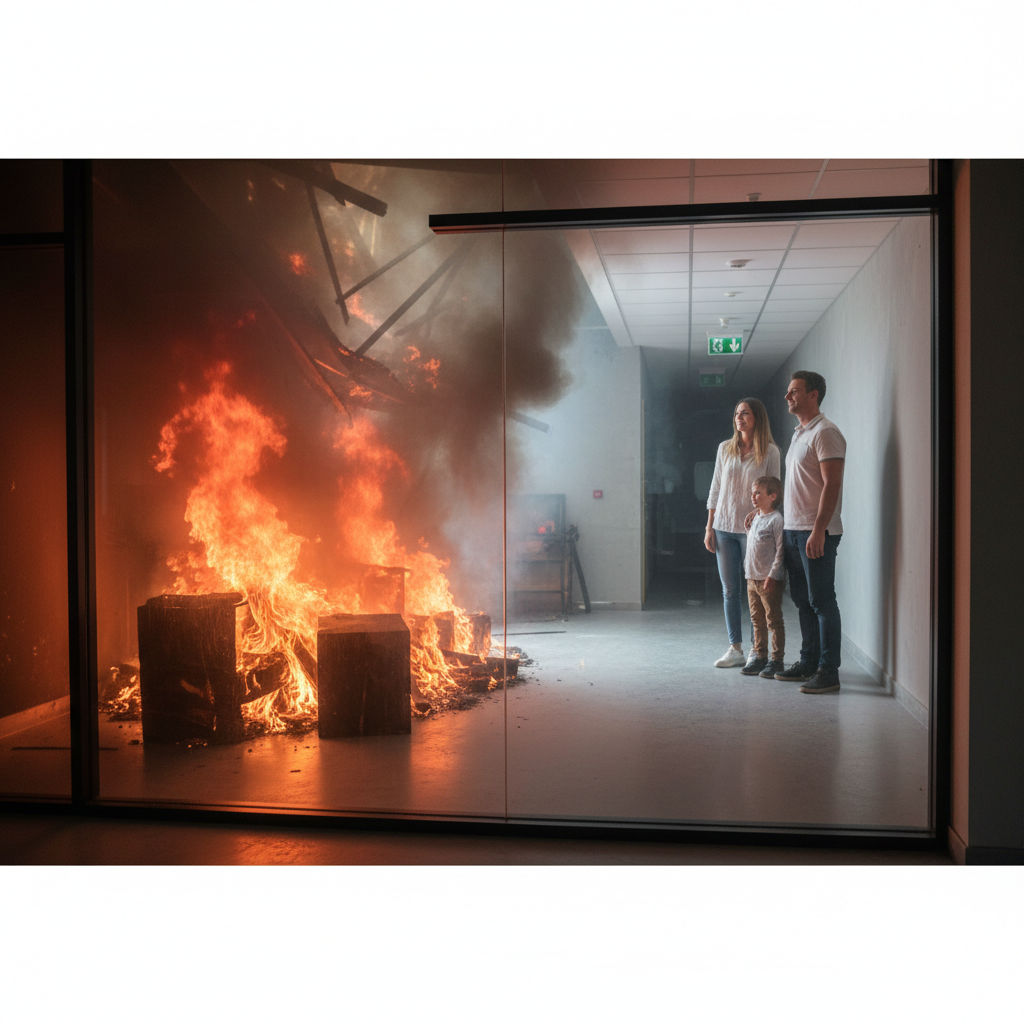
Fire resistant glass plays a crucial role in building safety and compliance, providing a structured defense against potential fire hazards. According to the National Fire Protection Association (NFPA), nearly 80% of fire-related injuries occur in structures, highlighting the necessity for advanced safety measures. Fire resistant glass is designed to endure high temperatures and prevent the spread of flames and smoke, offering critical protection for occupants and property. For instance, products like Pyroglass can resist temperatures of up to 1,000 degrees Fahrenheit for over an hour, significantly increasing escape time during emergencies.
In addition to its protective qualities, fire resistant glass helps buildings meet stringent safety regulations. The International Building Code (IBC) requires specific fire-resistant ratings for glazing in certain areas, such as fire-rated walls and doors. By incorporating fire resistant glazing, property owners not only enhance the safety of their designs but also ensure compliance with local building codes, potentially lowering insurance premiums. According to a report by Allied Market Research, the global fire resistant glass market is projected to reach $5.65 billion by 2025, reflecting an increased emphasis on safety standards in construction. This trend underscores the importance of integrating fire resistant materials into modern architectural practices for a safer built environment.
Enhancing Building Durability: How Fire Resistant Glass Resists Extreme Conditions
Fire resistant glass plays a crucial role in enhancing the durability of buildings, especially in extreme conditions. With the increasing emphasis on safety in architectural designs, fire resistant glass has emerged as a vital component. According to a report by the National Fire Protection Association (NFPA), building fires cause significant property damage exceeding $14 billion annually. The adoption of fire resistant glass can mitigate this risk by providing an effective barrier against flames, smoke, and heat, thereby increasing the building's overall resilience.
Moreover, the durability of fire resistant glass extends beyond fire protection. It is engineered to withstand extreme temperatures and pressure changes, which are common in fire scenarios. A study by the American Architectural Manufacturers Association (AAMA) highlights that fire rated glazing can endure temperatures up to 1,200°F (about 649°C) without shattering. This capability not only enhances safety but also contributes to the longevity of building structures, making fire resistant glass an essential investment for modern construction projects. By integrating this innovative material, architects can better ensure the safety of occupants while reducing potential repair costs associated with fire damage.
Top 5 Benefits of Fire Resistant Glass for Enhanced Safety and Durability in Buildings
Cost-Effectiveness of Fire Resistant Glass: Long-Term Savings for Businesses
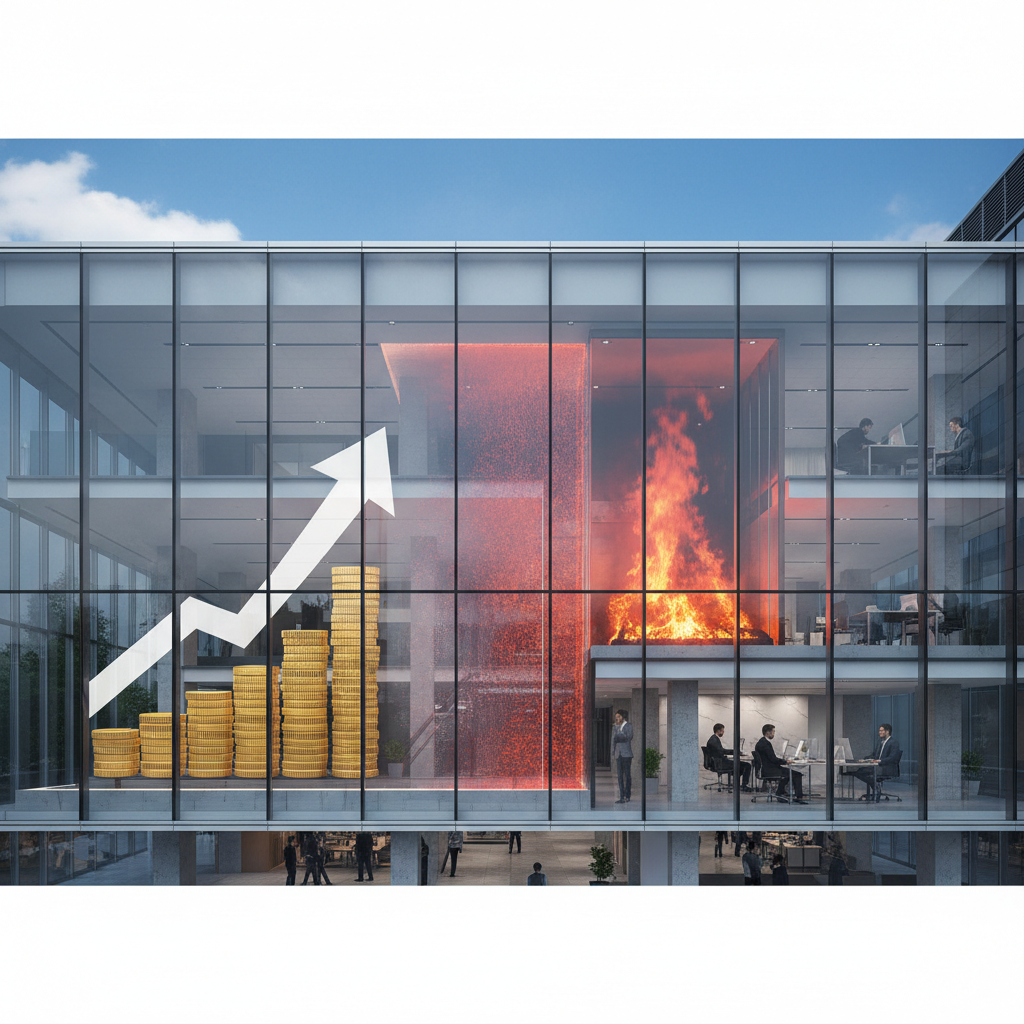
Fire resistant glass not only plays a crucial role in enhancing safety but also offers significant cost-effectiveness for businesses in the long run. By effectively containing fires and preventing the spread of smoke and flames, this type of glass minimizes potential damage to structures and assets, leading to substantial savings on repairs and replacements. Furthermore, investing in fire resistant glass can help businesses avoid the costly disruptions associated with unexpected fire incidents, allowing for smoother operations and better financial predictability.
Tips for choosing the right fire resistant glass include considering the specific fire rating required for your building and understanding the benefits of different glass types. Additionally, assess the long-term operational costs associated with maintenance and replacement of standard glass versus fire resistant options. Collaborating with a trusted supplier can provide insights into the most suitable products that meet safety regulations while still being budget-friendly. Regularly reviewing your fire safety plans and updating materials as necessary will also ensure that your business remains protected and prepared.
Installation Best Practices for Maximizing Fire Resistant Glass Performance
When considering fire safety in small buildings, the installation of fire-resistant glass is pivotal. To maximize the performance of this essential safety feature, it is crucial to adhere to best practices during installation. First, ensuring proper measurements and alignment is vital for maintaining the integrity of the fire-resistant properties. Any gaps or misalignments can compromise the glass's effectiveness in resisting heat and flames, leading to potentially hazardous situations.
Additionally, selecting the appropriate frame materials is essential for optimal performance. Frames should be made from non-combustible materials to complement the fire-resistant features of the glass. This synergy not only enhances safety but also contributes to the overall durability and aesthetics of the building. Furthermore, following manufacturer guidelines strictly during the installation process can lead to a successful outcome, ensuring that the glass performs as intended in the event of a fire. Regular maintenance checks also play a significant role in identifying any wear or damage that may undermine the glass's fire-resistant capabilities.