Understanding the Benefits of Fire Rated Windows for Enhanced Building Safety
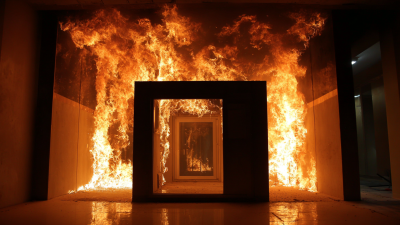
As the demand for enhanced building safety continues to rise, understanding the benefits of fire rated windows has become paramount for architects, builders, and property owners alike. According to the National Fire Protection Association (NFPA), approximately 3,390 civilian fire deaths occurred in the United States in 2020, highlighting the urgent need for effective fire protection measures in our construction practices. Fire rated windows are designed to withstand high temperatures and prevent the spread of flames, providing critical barriers in the event of a fire. Reports indicate that buildings equipped with these specialized windows can significantly improve occupant safety and reduce property damage—factors that are not only essential for compliance with safety regulations but also crucial for achieving insurance benefits. With advancements in technology and materials, the integration of fire rated windows in building design not only enhances safety but also contributes to overall property value and peace of mind for all stakeholders involved.
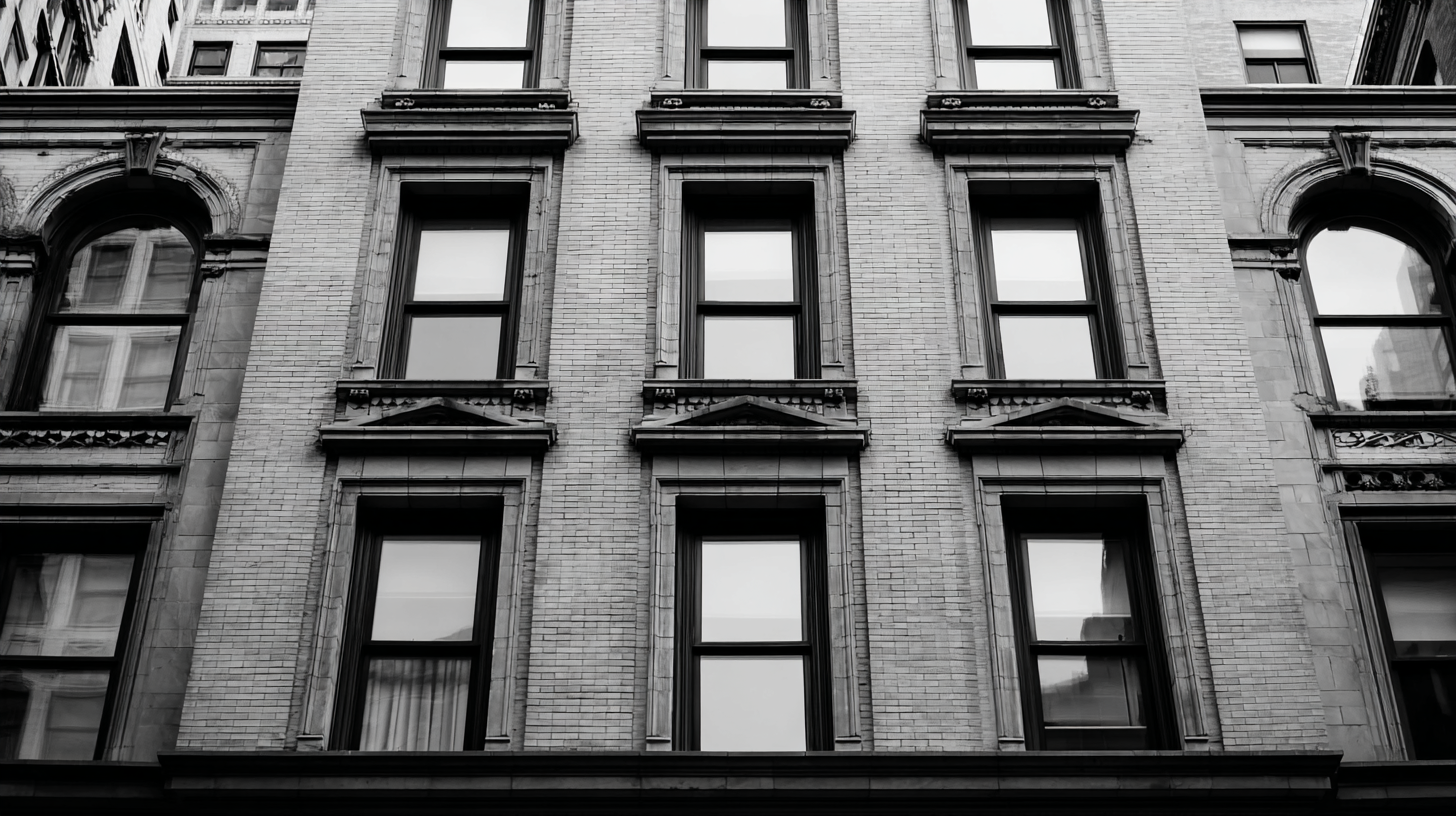
The Role of Fire Rated Windows in Building Code Compliance
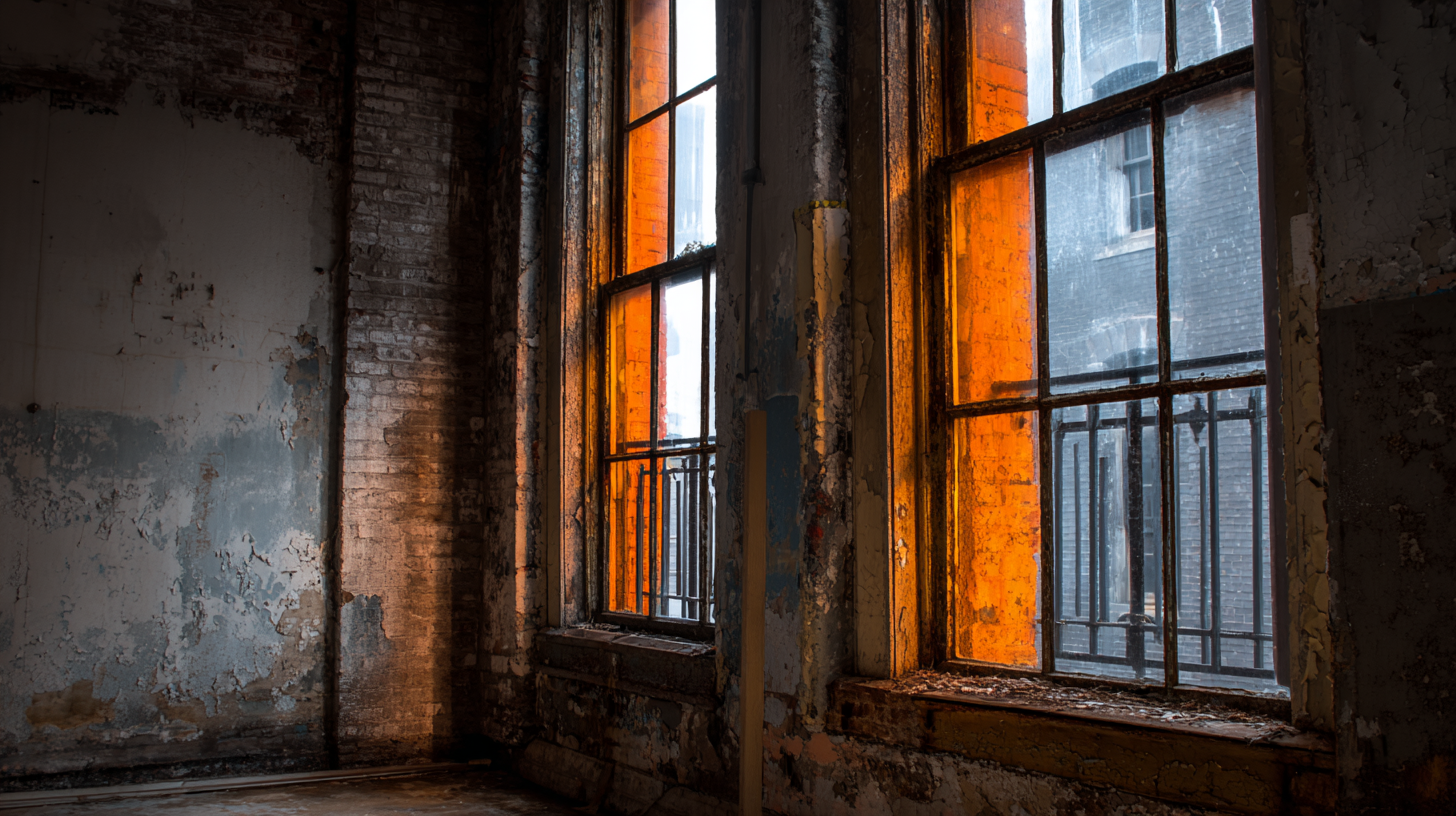 Fire rated windows play a crucial role in building code compliance, serving as a vital component in enhancing fire safety measures within structures. These windows are specifically designed to withstand high temperatures and resist the spread of flames, smoke, and heat. By adhering to stringent building codes that require the installation of fire rated windows in certain areas, such as fire walls or exit routes, builders and property owners can significantly minimize the risk of fire-related accidents and damage.
Incorporating fire rated windows not only ensures compliance with local and national regulations but also promotes the overall safety of occupants. Many building codes stipulate the need for these windows in facilities where people congregate, such as schools, hospitals, and commercial buildings. Their effectiveness in providing a barrier against fire hazards enhances the chances of a safe evacuation during emergencies, while also protecting the structural integrity of the building. Ultimately, choosing fire rated windows is an essential investment in safeguarding lives and ensuring adherence to the legal standards set forth in building codes.
Key Materials Used in Fire Rated Windows for Maximum Safety
Fire rated windows
are crucial for enhancing building safety, particularly in small blocks of multifamily units and commercial spaces. These windows are specifically designed to withstand high temperatures and prevent the spread of flames and smoke, providing critical time for occupants to escape during a fire.
Understanding the key materials used in these windows can significantly enhance their effectiveness.
The primary materials used in fire rated windows include advanced glazing solutions like tempered or laminated glass, which can withstand intense heat.
Additionally, fire-resistant frames made from materials such as steel or specially treated wood play a vital role in maintaining structural integrity during a fire.
Intumescent seals are also commonly integrated into the window systems, expanding when exposed to heat to prevent smoke and flames from passing through.
Together, these materials create a robust barrier that not only enhances safety but also meets regulatory standards for fire protection in various building applications.
Comparing Fire Rated Windows to Traditional Windows: A Safety Overview
Fire rated windows play a crucial role in enhancing the fire safety of small blocks, particularly in urban settings where buildings are in close proximity. Unlike traditional windows, which can allow flames and smoke to infiltrate, fire rated windows are designed to withstand high temperatures and prevent the spread of fire for specified periods. According to the National Fire Protection Association, approximately 50% of fire-related deaths occur in residential structures, highlighting the importance of implementing effective fire safety measures. Fire rated windows, when properly integrated into building designs, can provide an additional layer of protection, potentially saving lives and reducing property damage.
Research indicates that fire rated windows can resist flames for up to 90 minutes, depending on the rating, which can be critical during an emergency evacuation. The ability to contain fire can also significantly impact firefighting efforts, as it allows firefighters to control the situation without the fire rapidly spreading to adjacent units. A study from the Fire Safety Engineering Group shows that buildings with fire rated windows experienced a 30% reduction in heat release rates, demonstrating their effectiveness in slowing fire propagation. By choosing fire rated windows over traditional options, building owners and designers can proactively address fire safety, ultimately enhancing the resilience of small blocks in fire-prone areas.
Understanding How Fire Rated Windows Enhance Occupant Protection
Fire rated windows play a crucial role in enhancing occupant protection within buildings, especially in the event of a fire. These specialized windows are designed to withstand high temperatures and prevent the spread of flames and smoke, allowing occupants more time to evacuate safely. By serving as a barrier, fire rated windows can compartmentalize a fire, limiting its movement and minimizing potential damage. This is particularly important in residential and commercial structures, where the safety of individuals is a top priority.

In addition to delaying the spread of fire, fire rated windows also provide a sense of security for building occupants. Knowing that there are robust safety measures in place can reduce panic during emergencies and encourage more orderly evacuations. Moreover, these windows contribute to the overall integrity of fire-resistant building design, ensuring that all elements work together to maintain safety standards and comply with building codes. By incorporating fire rated windows into architectural plans, property owners and developers can significantly enhance the level of protection offered to occupants during a fire emergency.
Long-Term Benefits of Investing in Fire Rated Windows for Property Value
Investing in fire rated windows is not just a safety measure but also a strategic choice for enhancing property value. These specialized windows are designed to withstand high temperatures and prevent the spread of flames, making them an essential feature in commercial and residential buildings. By incorporating fire rated windows into your property, you not only comply with safety regulations but also elevate your building's appeal to potential buyers or tenants who prioritize security.
When considering the installation of fire rated windows, it’s important to look for products that meet national safety standards and are properly certified. This ensures that you're making a wise investment that will stand the test of time. Additionally, regularly maintaining these windows helps to sustain their effectiveness and aesthetic appeal, further contributing to the overall value of your property.
**Tip:** Always consult with a qualified professional to determine the best fire rated windows for your specific building needs. Additionally, keeping documentation on fire safety upgrades can enhance your property’s marketability, showcasing your commitment to safety and quality.
Understanding the Benefits of Fire Rated Windows for Enhanced Building Safety
| Dimension |
Description |
Long-Term Benefits |
| Fire Resistance Rating |
The period during which the window can withstand fire exposure. |
Improved safety for occupants during emergencies. |
| Energy Efficiency |
Developed with materials that enhance insulation. |
Reduced heating and cooling costs over time. |
| Aesthetic Appeal |
Available in various styles and finishes to match building designs. |
Can enhance property value and attractiveness. |
| Building Compliance |
Meet local fire safety regulations and building codes. |
Avoids potential fines and legal issues. |
| Noise Reduction |
Designed to minimize outside noise infiltration. |
Improved indoor comfort and quality of life. |