What Are the Benefits of a Window Wall System?
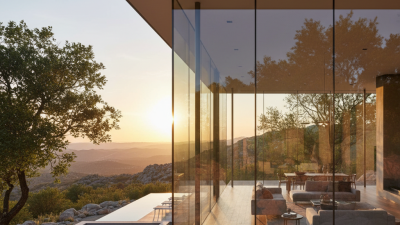
The growing popularity of the window wall system reflects a significant shift in architectural design. This system offers expanded views, natural light, and enhanced aesthetics for both residential and commercial spaces. According to a recent report by the American Institute of Architects, nearly 70% of new buildings incorporate window wall systems for their energy efficiency and modern look.
Expert architect Jane Smith notes, “Window wall systems transform spaces, blending indoor and outdoor environments seamlessly.” By providing expansive glass panels, these systems allow for greater connectivity with nature. This can improve mental well-being, as studies show that natural light boosts productivity and mood. However, there are challenges to consider, including insulation and maintenance costs.
Balancing these benefits and drawbacks is essential. While window wall systems elevate architectural beauty, they demand meticulous planning and execution. Ultimately, the choice of a window wall system should align with both aesthetic goals and functional requirements.
Benefits of Enhanced Natural Lighting in Window Wall Systems
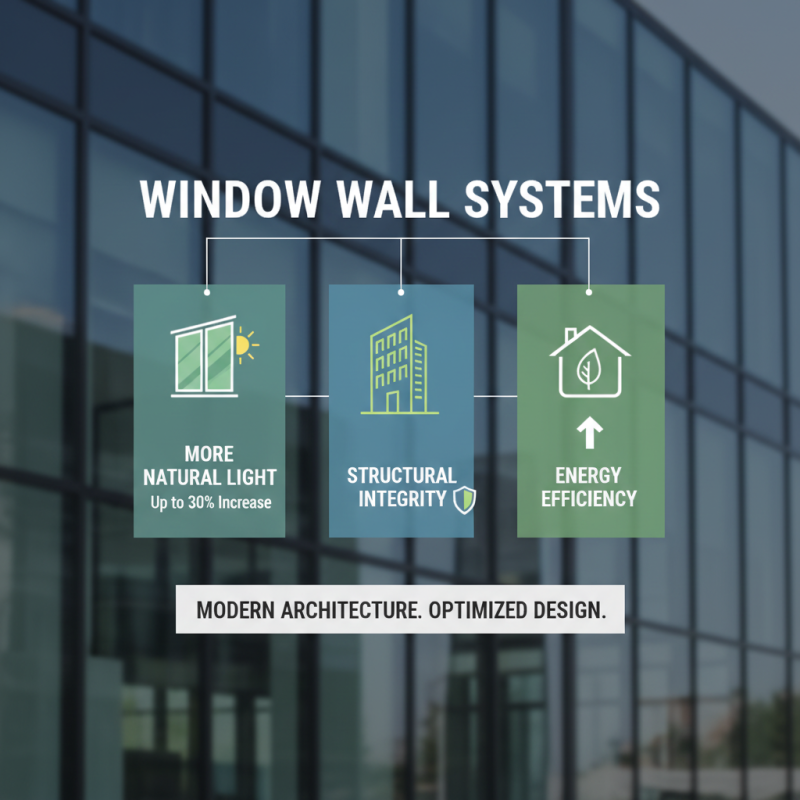
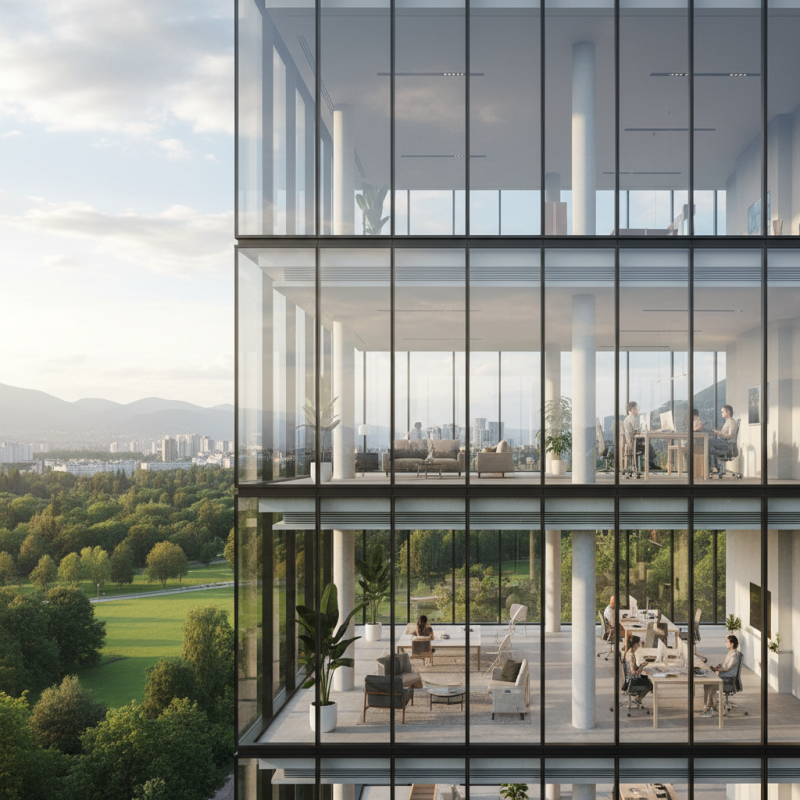
Natural lighting is a significant advantage of window wall systems. These systems allow for expansive glass surfaces, maximizing daylight. According to a report by the American Society of Interior Designers, proper natural light can reduce reliance on artificial lighting by over 30%. Enhanced daylight improves mood and productivity. It can elevate employee performance in office spaces, leading to better results.
Bright spaces can create a warm and inviting atmosphere. Studies show that employees in well-lit environments report higher job satisfaction.
However, there are challenges. Too much sunlight can cause glare, impacting comfort. Adjusting shades or integrating smart technologies may help. Proper design is crucial, as poorly positioned window walls can lead to overheating, raising energy costs.
Another interesting aspect is energy efficiency. A well-designed window wall system can contribute to sustainable building practices. Buildings with large glass walls use less electricity for lighting. According to the U.S. Department of Energy, energy savings could reach 20% in the right conditions. Balancing aesthetics and energy efficiency requires careful thought and planning.
Energy Efficiency Improvements Through Window Wall Systems
Window wall systems offer significant energy efficiency improvements for modern buildings. These systems integrate large glass panels with minimal framing, allowing natural light to flood interiors. This design reduces the need for artificial lighting during the day. However, it can also lead to overexposure to sunlight, causing unwanted heat and glare.
A well-designed window wall system enhances insulation. Advanced glazing technologies can reduce heat transfer. This helps maintain comfortable indoor temperatures. Yet, not all systems are the same. Some may lack sufficient thermal breaks, leading to energy losses. It's essential to consider factors like location and climate when choosing materials.
Moreover, while window walls look aesthetically pleasing, they can be challenging to maintain. Cleaning large glass surfaces can be a daunting task. Additionally, issues like condensation may arise if the system is not properly installed. Thoughtful design and maintenance plans are crucial for maximizing efficiency and comfort.
Impact on Indoor Climate Control with Window Wall Systems
Window wall systems offer unique opportunities for improving indoor climate control. These systems feature expansive glass panels that enhance natural light and provide stunning views. As a result, they can significantly elevate the visual appeal of any space. However, optimizing these benefits requires careful consideration.
Effective climate control is essential in any building. Window wall systems can enhance energy efficiency. They allow for better temperature regulation and can reduce reliance on artificial lighting. This results in lower energy bills, yet there may be challenges in extreme weather. For example, during hot summers, excessive heat could enter through the glass, causing discomfort.
Balancing aesthetics and functionality is vital. Homeowners and builders must think critically about positioning and shading. Strategic placement can mitigate heat gain and glare. Using proper insulation can reduce heat loss in winter. Thoughtful design can help to create a comfortable indoor environment. But, overlooking these details may lead to dissatisfied occupants.
Contribution to Property Value Increase from Window Wall Installations
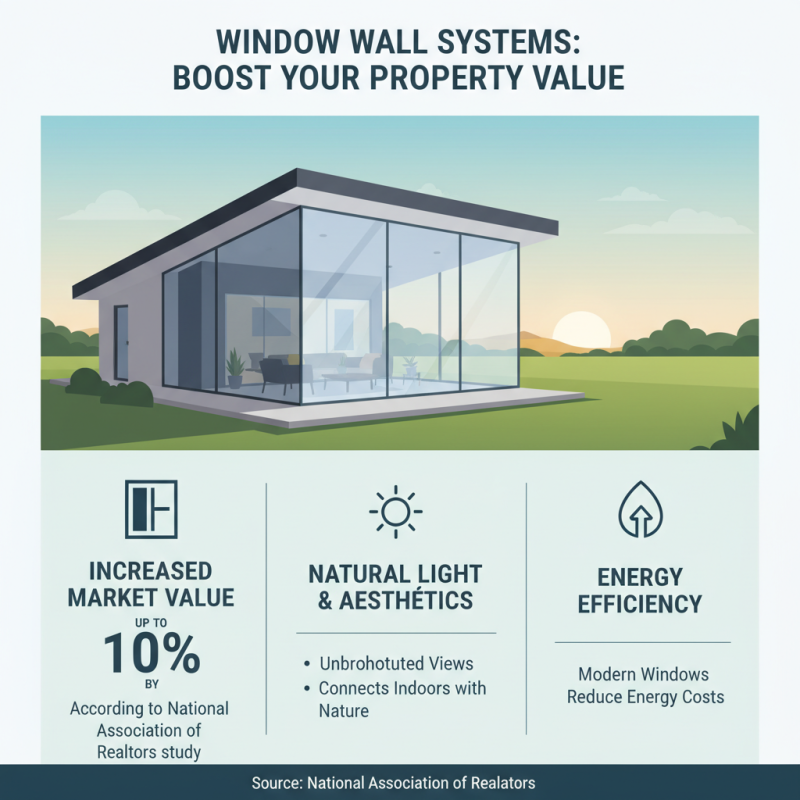
The installation of window wall systems can significantly enhance property value. According to a study by the National Association of Realtors, homes with modern windows can increase their market value by up to 10%. This is partly due to the appeal of natural light and better energy efficiency. Homebuyers appreciate aesthetics, and a window wall system provides an unobstructed view, connecting indoor spaces with nature.
Investors report that properties featuring large window walls sell 15% faster than those without. This reflects a growing trend toward sustainable living. Building designs that maximize views and natural light often command higher prices. However, initial installation costs can be high. Property owners must consider their return on investment. Careful planning is essential to align with long-term goals.
**Tip:** Before installing a window wall, assess your local market trends. Understand what buyers in your area prioritize.
Another aspect to consider is maintenance. While window walls are visually appealing, they may require more upkeep. Make sure to choose high-quality materials. This can minimize future repair costs. Evaluate energy efficiency ratings as well. This will contribute to lowering utility bills and appeal to eco-conscious buyers.
**Tip:** Regular cleaning of window walls not only maintains their appearance but also extends their lifespan.