Exploring the Benefits and Innovations of Modern Window Wall Systems for Sustainable Architecture
The contemporary architecture sector is increasingly recognizing the significance of
window wall systems as crucial components in achieving sustainable design.
According to the 2021 Global Green Building Market report, the green building materials market is
expected to reach USD 1.14 trillion by 2027, reflecting an annual growth rate of
approximately 11.4%. This trend highlights the growing interest in energy-efficient solutions,
wherein window wall systems play a vital role by optimizing natural light, enhancing thermal performance, and reducing energy consumption.
Innovative designs, coupled with advanced materials, have transformed traditional window wall systems into multifunctional elements that provide
both aesthetic appeal and resource efficiency. As companies strive to meet the increasing demand for eco-friendly
construction, the integration of window wall systems stands out as a pivotal factor in promoting sustainability while ensuring the well-being of occupants.
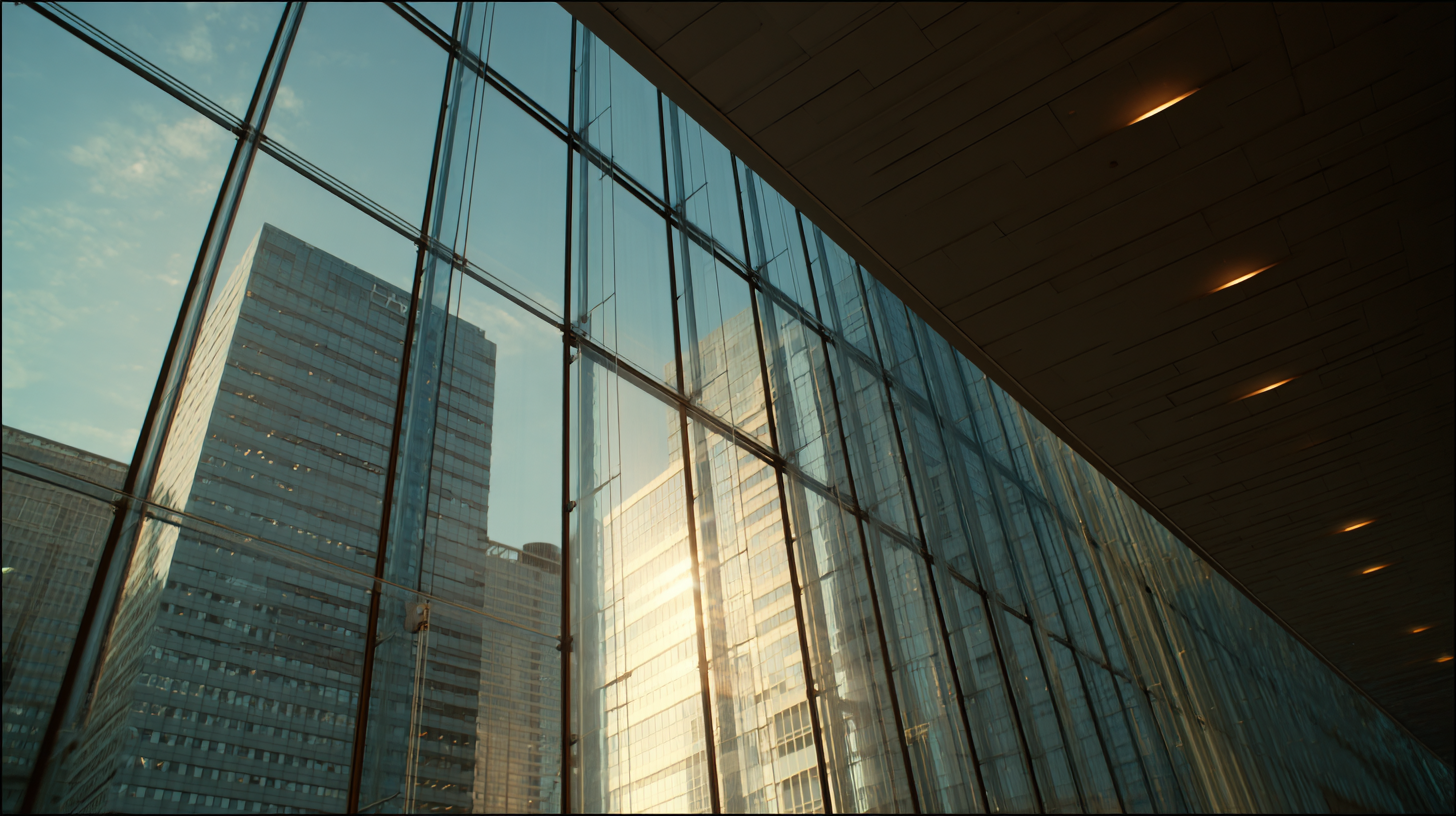
Why Modern Window Wall Systems Enhance Energy Efficiency in Sustainable Design
Modern window wall systems are revolutionizing sustainable architecture by significantly enhancing
energy efficiency in building designs. These innovative systems allow for
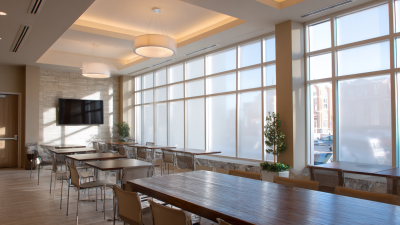
maximum natural light penetration while minimizing heat loss or gain,
which contributes to a building’s overall energy performance. By incorporating
high-performance glazing and advanced framing techniques, modern window walls can effectively
reduce the reliance on artificial lighting and HVAC systems, leading to lower energy consumption
and costs.
Tips: When selecting window wall systems, consider options
with high insulation values and low-emissivity (Low-E) coatings to optimize thermal performance.
Additionally, integrating shading devices or overhangs can help control solar heat gain, further
improving energy efficiency.
Furthermore, the aesthetic appeal of window wall systems cannot be overlooked. They provide
a sleek, contemporary look while also blending indoor and outdoor spaces seamlessly. This
connection enhances occupant comfort and productivity, which is particularly crucial in
commercial and residential buildings alike.
Tips: To maximize the benefits of modern window walls, ensure that the
installation is performed by experienced professionals who can guarantee proper sealing and
alignment. Regular maintenance checks can also help sustain the system’s performance over time,
ensuring ongoing energy efficiency.
Why Innovations in Glazing Technology Promote Indoor Environmental Quality
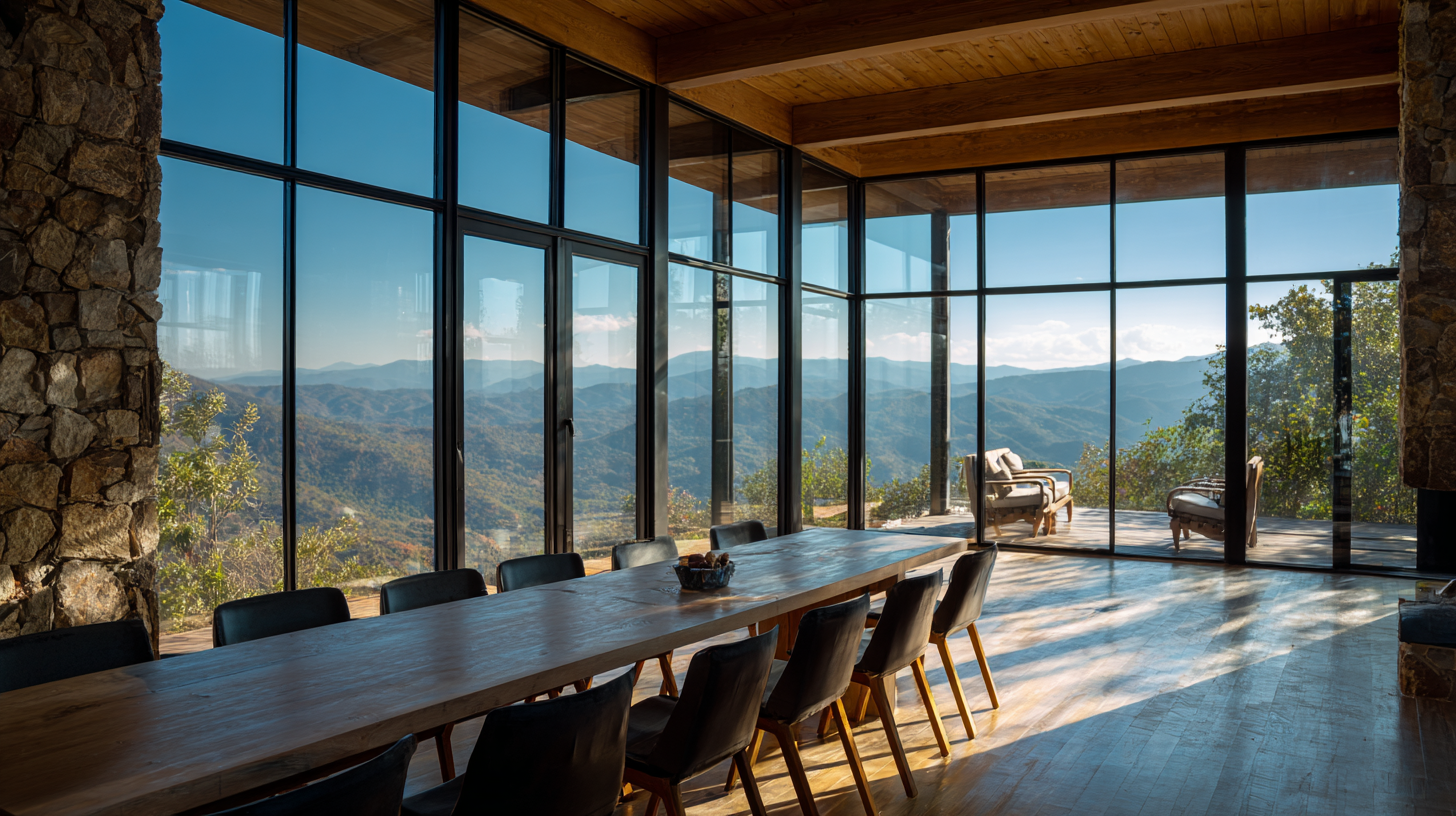 Modern window wall systems have revolutionized sustainable architecture, and a significant aspect of this transformation lies in innovations in glazing technology. These advancements not only enhance the aesthetic appeal of buildings but also play a crucial role in promoting indoor environmental quality. For instance, energy-efficient glazing reduces heat transfer, maintaining comfortable indoor temperatures, which is essential for occupant well-being. Additionally, advanced coatings and tinted glasses minimize glare and optimize natural light, fostering a more productive and pleasant workspace.
Tip: When selecting window wall systems, consider options with low-emissivity (Low-E) coatings that reflect infrared energy while allowing visible light to pass through. This maximizes energy efficiency and enhances daylighting without compromising comfort.
The integration of smart glazing technologies, such as electrochromic and thermochromic glass, adds another layer of innovation. These materials can adapt in real time to changing light and temperature conditions, thus improving energy management within a space. By dynamically adjusting to environmental factors, they ensure that indoor spaces remain comfortable and energy-efficient throughout the day.
Tip: Look for smart glazing solutions that align with your building’s specific energy goals. These technologies can lead to significant energy savings over time and contribute to a healthier indoor environment for occupants.
Why Integrating Smart Technologies in Window Walls Supports Eco-Friendly Practices
The integration of smart technologies in modern window wall systems plays a crucial role in promoting eco-friendly architectural practices. These innovative systems not only enhance aesthetic appeal but also optimize energy efficiency. With features such as automatic shading, dynamic glass, and integrated sensors, smart window walls can adapt to environmental conditions in real time. For instance, they can regulate indoor temperatures by adjusting transparency according to sunlight intensity, thus reducing the need for artificial heating and cooling.
Moreover, the incorporation of smart technologies supports sustainable practices by minimizing energy consumption and maximizing natural light. This results in lower carbon footprints for buildings, aligning with global sustainability goals. By utilizing sensors that monitor external weather conditions and indoor comfort levels, architects can design building envelopes that respond intelligently, further stabilizing climate control and enhancing occupants' comfort. Ultimately, these innovations not only contribute to more sustainable architecture but also foster healthier living spaces by promoting a connection between nature and modern design.
Why Aesthetic Flexibility in Window Wall Systems Benefits Sustainable Architecture
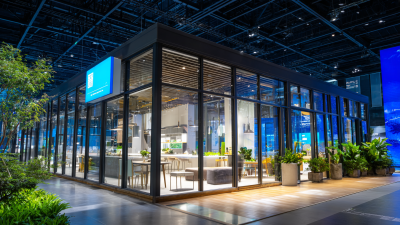
Modern window wall systems are revolutionizing sustainable architecture by providing both aesthetic flexibility and functional benefits. By allowing for larger glass surfaces, these systems enhance natural light penetration, which reduces the need for artificial lighting and lowers energy consumption. The ability to design spaces with expansive views not only elevates the beauty of the structure but also creates a harmonious connection between the interior and exterior environments, fostering a greater appreciation for nature.
**Tips:** When selecting window wall systems, consider materials with high thermal performance to improve energy efficiency. Incorporating operable windows into your design can also enhance ventilation, further promoting a sustainable indoor climate.
The aesthetic flexibility offered by these systems means architects can tailor designs to diverse styles and settings. Whether aiming for a sleek modern look or a more traditional facade, window wall systems accommodate various design preferences, enabling creative expression while adhering to sustainability principles. This flexibility ultimately contributes to a more engaging urban landscape and reflects the growing importance of sustainable design in contemporary architecture.
**Tips:** Experiment with different frame materials and colors to achieve your desired aesthetic while maintaining energy efficiency. Don't hesitate to collaborate with innovative suppliers who can provide customized solutions for your architectural vision.
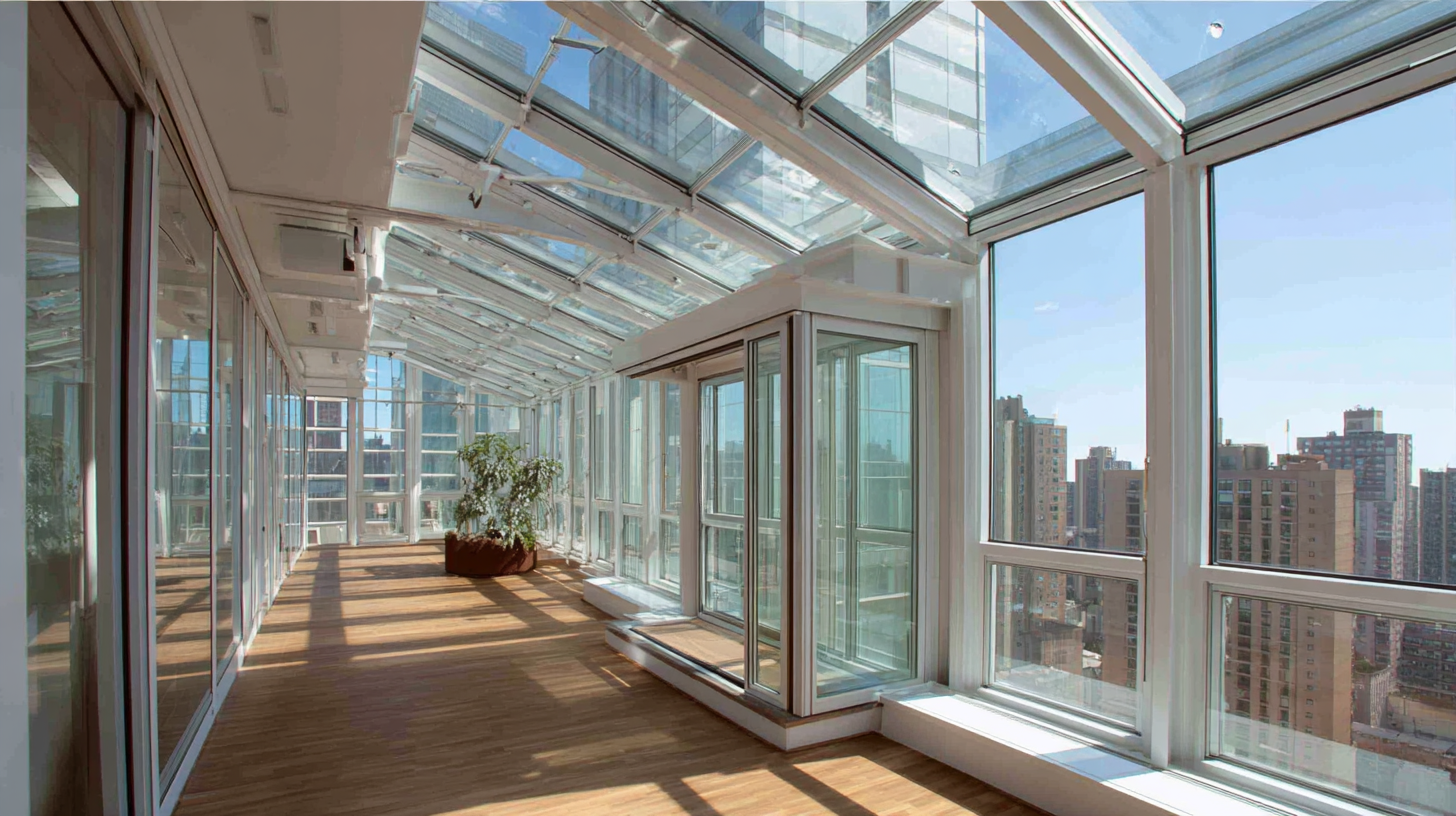
Why Durable Materials in Modern Window Walls Contribute to Long-Term Sustainability
Modern window wall systems play a crucial role in sustainable architecture,
particularly through the utilization of durable materials. These materials,
such as high-performance glass and robust framing options, not only enhance the aesthetic appeal of buildings
but also significantly improve energy efficiency. By reducing the need for excessive heating
and cooling, durable window walls contribute to lower energy consumption over the lifespan of a structure. This is particularly important in an era
where climate change and environmental preservation are at the forefront of architectural innovation.
Furthermore, the longevity of durable materials ensures that window wall systems can withstand the test of time, reducing the need for frequent replacements.
This not only minimizes waste but also decreases the overall environmental impact associated with
manufacturing, transporting, and installing these systems. As architects and builders increasingly prioritize sustainability, the emphasis on
high-quality, durable materials in modern window walls becomes essential. By investing in these systems,
the architecture industry can create healthier, more sustainable spaces that benefit both people and the planet for generations to come.