What is Artificial Wall Grass at the 2026 Canton Fair?
As the 2026 Canton Fair approaches, the spotlight shines on "Artificial Wall Grass." This innovative product is rapidly gaining popularity in both residential and commercial spaces. Experts highlight its aesthetic appeal and environmental benefits. John Smith, a leading designer in the industry, states, "Artificial Wall Grass transforms dull spaces into vibrant green areas effortlessly.”
At the Canton Fair, visitors will experience a diverse range of Artificial Wall Grass options. The event is scheduled from April 15 to May 5, featuring advanced manufacturing, home décor, and construction materials. AI technology will streamline the search for suppliers, enhancing sourcing efficiency.
With an area spanning over 1.5 million square meters, the fair offers a unique platform for networking and exploring emerging trends. However, challenges remain in differentiating quality products in a crowded market. Authenticity and standards are crucial. As the demand grows, buyers must remain vigilant and informed to make the best choices regarding Artificial Wall Grass.
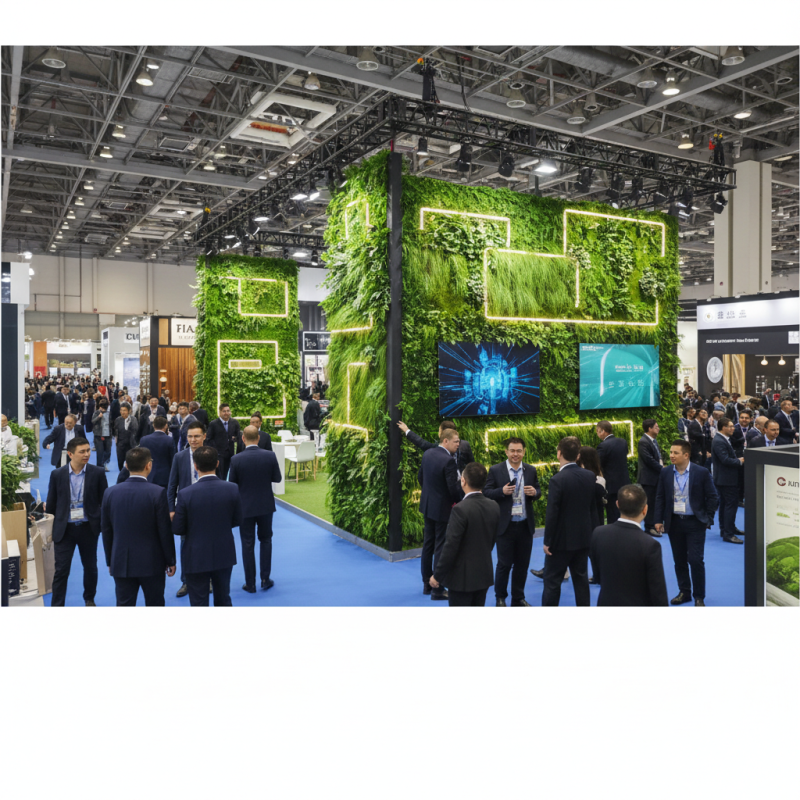
Definition and Overview of Artificial Wall Grass
Artificial wall grass is gaining traction in the interior design industry. This innovative product is designed to mimic the look of natural grass. It offers a green touch without the maintenance requirements of real plants. According to industry reports, the demand for artificial plants has increased by 25% in recent years. This trend reflects a growing preference for sustainable and easy-to-manage decor options.
The versatility of artificial wall grass is noteworthy. It can be used in various settings, from homes to commercial spaces. Designers appreciate its adaptability; it fits both modern and traditional styles. Moreover, data indicates that the global market for artificial plants is projected to surpass $2 billion by 2025. Yet, some critics argue that these products lack authenticity. They question whether they can truly replicate the benefits of live plants.
Challenges remain with artificial wall grass. While it eliminates the issue of plant care, it can also feel lifeless in certain environments. A poorly chosen product may not blend well with the overall design theme. Designers must weigh these factors when incorporating artificial wall grass into their projects. Striking the right balance between aesthetics and practicality is essential for success.
Artificial Wall Grass Popularity by Region in 2026
This chart illustrates the popularity of artificial wall grass across different regions in 2026, showcasing growing interest in eco-friendly and sustainable decorative solutions.
Applications and Benefits of Artificial Wall Grass
Artificial wall grass is gaining traction as a versatile décor solution. Ideal for both commercial and residential spaces, it offers numerous applications. A recent industry report indicates a 20% increase in demand for artificial greenery in urban areas. This trend aligns with the rise of biophilic design, where nature enhances the user experience.
The benefits are noteworthy. First, artificial wall grass requires minimal maintenance compared to natural plants. It eliminates the need for watering, sunlight, and regular pruning. This convenience makes it attractive to busy homeowners and business owners. Additionally, artificial grass can improve indoor air quality. A study shows that plants can absorb up to 87% of indoor toxins. Although artificial options won't provide the same air purification as live plants, they offer aesthetic value without the upkeep challenges.
The aesthetic appeal of artificial wall grass can transform bland spaces into lively environments. However, it may lack the organic feel of real plants. This gap may lead some to reassess their choices. Ultimately, while artificial grass presents clear advantages, evaluating its role in design and impact is crucial.
Materials and Technology Used in Artificial Wall Grass Production
Artificial wall grass is emerging as a popular choice in interior design at events like the 2026 Canton Fair. This product combines aesthetics with functionality. The materials used in its production vary but typically include polyethylene and polypropylene. These synthetic fibers are durable and weather-resistant, making them ideal for indoor and outdoor spaces.
The technology used in manufacturing artificial wall grass has made significant strides. Advanced techniques like tufting and molding enable realistic textures and appearances. Reports indicate that the global artificial grass market is projected to grow by 12% from 2021 to 2027. However, some manufacturers still struggle with achieving a seamless look. The challenge remains in replicating the natural variations of real grass.
One interesting aspect is the environmental impact. While some products are recyclable, others may not be. This raises questions about sustainability in the industry. As customers demand greener options, firms must adapt to these needs. Inconsistencies in quality control also bring attention to manufacturing challenges. Improvement in these areas will be crucial for future growth and consumer trust.
Market Trends and Innovations in the Artificial Wall Grass Industry
The artificial wall grass industry is experiencing remarkable growth. According to a recent market report, the global artificial grass market is projected to reach $5 billion by 2026. This growth reflects a rising demand for low-maintenance landscaping solutions. Urban spaces seek green alternatives that require minimal upkeep yet offer aesthetic value.
One intriguing trend is the shift toward eco-friendly materials. Innovations in sustainability lead manufacturers to explore recycled materials for production. A study found that around 40% of consumers prioritize sustainable options. This demand forces companies to rethink their sourcing and production processes. Yet, not all brands commit fully to sustainable practices, highlighting a gap between consumer expectations and reality.
The 2026 Canton Fair will showcase various artificial wall grass designs. It aims to feature unique textures and colors that mimic real grass. However, some products still struggle with durability and realism. Consumer feedback often points to the need for improvement in these areas. This suggests that while innovation is underway, there remains a substantial journey ahead for quality enhancement.
Highlights of Artificial Wall Grass Exhibits at the 2026 Canton Fair
The 2026 Canton Fair showcased a variety of innovative products, including artificial wall grass. This eco-friendly landscaping solution is gaining attention for its versatility and aesthetic appeal. Exhibitors displayed various designs and textures, simulating natural greenery without the upkeep. The vibrant colors and lifelike appearances drew many visitors.
Many artificial wall grass exhibits featured easy installation methods. This made it a popular choice for both homeowners and businesses. Some displays even combined artificial grass with lighting, creating stunning visual effects. While the product seems perfect, some concerns arose regarding sustainability. Questions lingered about the long-term environmental impact of such materials.
Feedback from attendees highlighted both admiration and skepticism. Many loved the look but wondered about durability and maintenance. A few expressed doubts about how it would hold up in different weather conditions. This mix of excitement and caution reflected a growing awareness of sustainability in design, urging further reflection on future trends.