- Proudly Made in the USA

Choosing the right Industrial Panel Pc affects production speed, operator safety, and long-term maintenance costs. In a factory, the computer may face heat, dust, vibration, moisture, and constant touch interaction. A weak screen or poorly sealed enclosure can become an expensive failure point.
As industrial automation specialist John Browett has stated, “Industrial computers must be designed for the environment in which they operate.” That practical view guides this comparison of seven leading Industrial Panel Pc manufacturers. The selection considers enclosure protection, processor stability, display visibility, operating-system support, mounting flexibility, and after-sales service. These factors matter more than impressive specifications alone.
A reliable panel PC should remain readable beside bright machine lights. Its touchscreen should respond when operators wear gloves. It should also support communication protocols used by PLCs, SCADA systems, and factory networks. Some manufacturers offer broad customization, while others focus on standardized, quickly available models. Neither approach is automatically better.
Real production conditions are rarely perfect. Temperature changes may exceed the original estimate. Operators may prefer physical buttons over touch controls. A laboratory test cannot reproduce every shift, spill, or vibration pattern. Therefore, this guide compares practical strengths and limitations, not just marketing claims. Buyers should still verify certifications, warranty terms, lifecycle policies, and compatibility before placing an order. The best Industrial Panel Pc is the one that fits the actual workplace, not merely the most advanced product on paper.
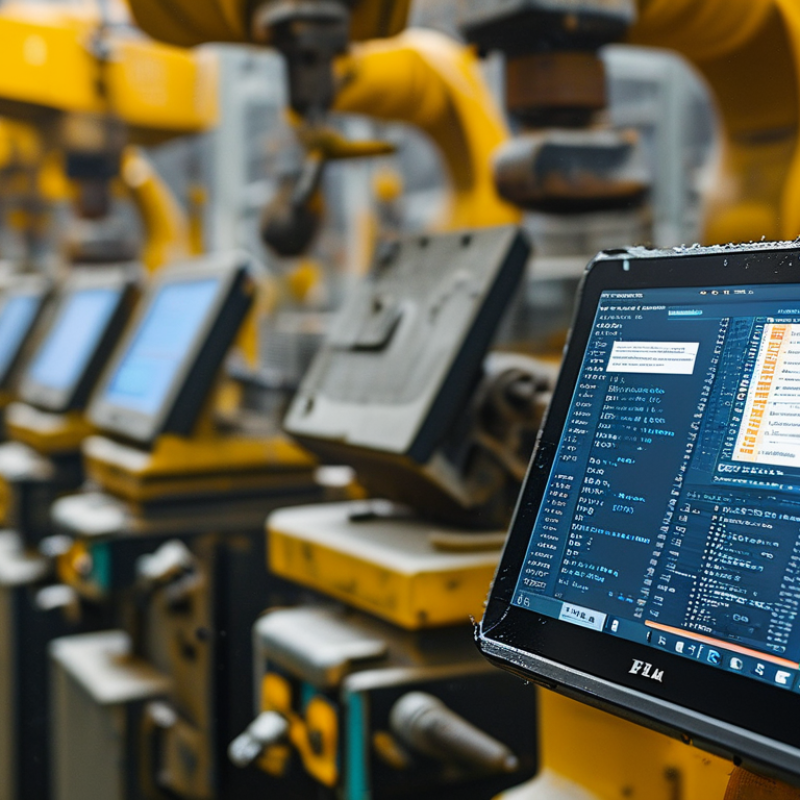
An industrial panel PC combines a computer, display, and touch interface in one rugged enclosure. Unlike office computers, it supports continuous operation in dust, vibration, heat, and electrical noise. Many models use sealed front panels with IP65 protection under IEC 60529. That helps prevent dust and low-pressure water from reaching the controls. It does not make every system waterproof, however. Buyers sometimes overlook this difference.
These computers commonly operate as human-machine interfaces in production lines, packaging equipment, energy facilities, and warehouse systems. Operators can watch temperatures, adjust speeds, scan faults, and review production records from one screen. The International Federation of Robotics reported 541,302 industrial robots installed worldwide in 2023. This growth increases the need for reliable local control and visualization near automated equipment. Panel PCs also support SCADA monitoring, machine vision, and remote maintenance terminals.
When comparing the seven best industrial panel PC manufacturers to buy, examine more than processor speed. Check operating-temperature ratings, screen brightness, glove-touch performance, mounting depth, and long-term spare-part support. IEC 61000 testing can indicate resistance to electromagnetic disturbances. For food or chemical environments, stainless-steel housing and hygienic mounting may matter more than memory capacity. Fortune Business Insights estimated the global industrial PC market at about 5.20 billion dollars in 2023. Still, market growth does not guarantee a suitable product. A bright display may fail beside a hot furnace, while a powerful processor may be unnecessary on a simple conveyor.

Choosing among the 7 best industrial panel PC manufacturers requires more than comparing prices. Start with the machine’s working environment. Check operating temperature, vibration resistance, ingress protection, display brightness, and mounting options. A factory floor is not an office desk.
Ask each manufacturer for measurable evidence. Request test reports, certification details, product drawings, and a clear warranty policy. Confirm whether the panel PC uses industrial-grade components, sealed connectors, and storage designed for continuous operation. A reliable supplier should explain these details without vague promises.
Study the product lifecycle carefully. Can the manufacturer provide replacement parts for five or seven years? Is technical support available in your time zone? Ask how quickly they handle failures and whether remote diagnosis is possible. Small details matter. A delayed screen replacement can stop an entire production line.
I also recommend testing a sample unit before placing a large order. Connect it to your PLC, scanners, cameras, or other control equipment. Check boot time, touch accuracy, cable access, and heat buildup after several hours. My own evaluation mistake was trusting a specification sheet without testing glare under factory lighting. The device performed well, but the display was difficult to read near a loading bay.
Compare engineering communication, not just hardware. A capable manufacturer will ask about duty cycles, software requirements, cleaning methods, and installation conditions. Beware of suppliers that avoid technical questions. Their catalog may look impressive, yet real-world support can remain uncertain.
The seven best industrial panel PC manufacturers to buy should be judged by measurable performance, not glossy brochures. A reliable supplier should provide sealed enclosures, sunlight-readable displays, long product lifecycles, and documented thermal testing. IP65 or higher protection matters near coolant, dust, and washdown areas. Still, an IP rating alone does not prove dependable operation.
Market evidence supports careful selection. IDC’s Worldwide Edge Spending Guide projected global edge-computing investment at about 232 billion US dollars in 2024, with continued growth through 2028. That expansion increases demand for rugged human-machine interfaces near machines and production lines. MarketsandMarkets also identifies fanless designs, remote management, and stronger processing as important industrial computer trends. These features can reduce maintenance visits, but they may increase purchase costs.
When comparing the seven best manufacturers, examine processor availability, display brightness, mounting options, and operating-temperature data. Ask for vibration reports and failure-rate evidence. Request samples before placing a large order. Hands-on testing reveals weak touch response, glare, or poor cable access quickly. It is easy to overvalue specifications. I have found that service response and spare-part continuity often matter more than peak processor speed. A five-year availability promise sounds useful, but buyers should verify it contractually and review the supplier’s ISO 9001 quality records. Rules differ by site, so electrical certifications must match the installation region. Reliability is never automatic.
This chart compares common IP ratings used when selecting industrial panel PCs. The dust and water protection values follow the IEC 60529 rating structure: the first digit indicates protection against solid particles, while the second digit indicates protection against water. Higher values generally support harsher installation environments, but the final choice should also consider temperature, vibration, display brightness, lifecycle support, and connectivity.
Choosing among the seven best industrial panel PC manufacturers requires more than checking processor speed. A practical comparison should examine display brightness, operating temperature, ingress protection, mounting options, and long-term service. MarketsandMarkets estimated the industrial PC market at about USD 5.2 billion in 2023, with growth toward USD 7.6 billion by 2028. That expansion reflects rising demand for rugged computing at production-line edges. However, market growth does not guarantee reliable hardware.
The strongest manufacturers usually separate their products by application. Fanless panel PCs suit dusty packaging areas because they reduce moving parts. High-brightness models improve visibility beside windows or inspection stations. Stainless-steel units fit food-processing environments, where frequent washdowns demand sealed enclosures. Larger screen systems help operators read alarms quickly, while compact units suit machine control cabinets. The International Federation of Robotics reported 4.28 million industrial robots operating worldwide in 2023. This figure shows why responsive interfaces and stable industrial communication ports matter.
Features should be tested against real working conditions, not only brochure claims. Look for wide-voltage input, glove-friendly touchscreens, replaceable storage, and support for common industrial protocols. Cybersecurity also deserves attention; NIST’s SP 800-82 guidance emphasizes network segmentation and controlled access for operational technology. I would not rank a supplier highly without reviewing firmware updates and repair procedures. That part is often overlooked. A warm factory floor, vibration, and an unplanned restart can expose weaknesses that laboratory testing misses. Availability is useful, but service experience may matter more.
Choosing the right industrial panel PC manufacturer requires more than comparing prices. Study the supplier’s experience with factories, warehouses, outdoor cabinets, and control rooms. A reliable manufacturer should explain processor options, display brightness, operating temperature, ingress protection, and vibration resistance clearly. Their engineers should ask about your environment before recommending a model.
Request test reports, product drawings, and warranty terms. Check whether the panel PC supports your required operating system, communication ports, and mounting method. Long-term availability also matters. A device that works today may become difficult to repair after two years. Ask about spare parts, firmware updates, technical training, and response times. Real support is often more valuable than a small discount.
Tips: Define your site conditions in writing. Include dust, moisture, heat, gloves, sunlight, and cleaning chemicals. Ask for a sample unit and test it near the actual machine. Touchscreens can behave differently under wet or gloved operation. I once underestimated cable clearance during installation, and the enclosure became difficult to service. That mistake taught me to review dimensions with maintenance staff, not only engineers. Also, avoid trusting impressive specifications without practical evidence. A manufacturer’s references, quality process, and transparent limitations reveal more than polished sales language.
Whether you’re looking for fire-rated walls, doors, openings, floors or a specialty service, we have the solution for you. With over 40 years of experience in testing, innovating, and providing technologically advanced fire-rated glass and framing products, we deliver unyielding performance and quality at a competitive price.
