2026 Best Light Steel Keel for Wall Partition Buying Guide?
Choosing the right Light Steel Keel for Wall Partition is essential for any construction project. This guide will help you navigate the myriad of options available in 2026. With the rise of lightweight construction materials, the demand for steel keels has surged. Their strength and durability make them a popular choice for modern wall partitions.
When selecting a light steel keel, consider the specific requirements of your project. Not all steel keels are created equal. Some may not meet structural standards or durability needs. It is important to rely on reputable brands known for their expertise in the construction industry. Look for certifications and reviews to ensure reliability.
Reflect on the installation process as well. Even the best products require skilled workmanship. Improper installation can lead to serious issues down the line. Take the time to research best practices and consider hiring experienced professionals. This will enhance the long-term performance of your wall partitions, ensuring stability and satisfaction.
Understanding Light Steel Keels: Definition and Applications
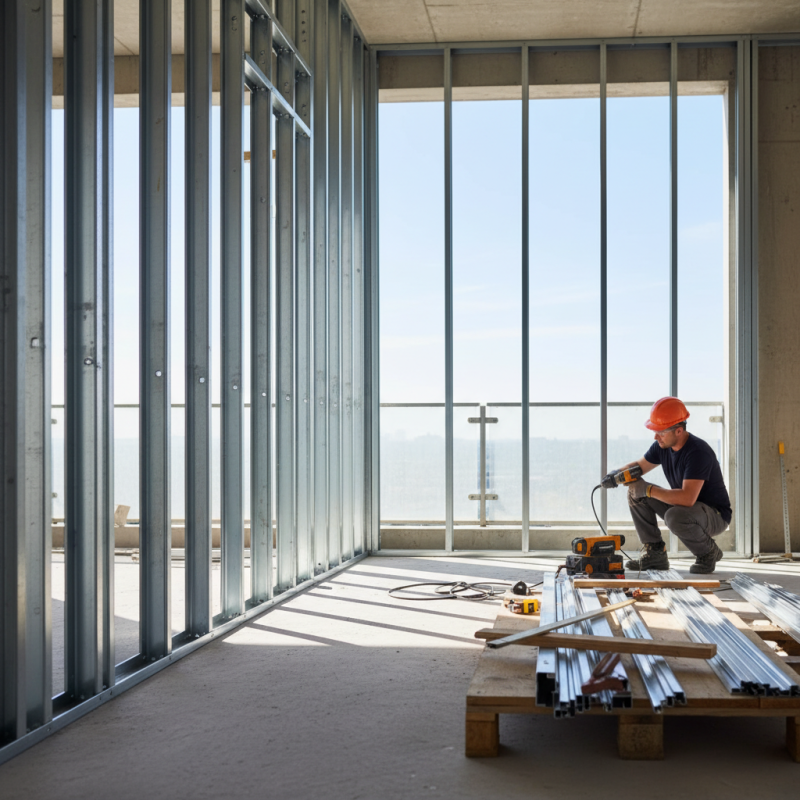
Light steel keels are crucial in modern construction. These structures are made from cold-rolled steel and serve as the backbone for wall partitions. They are lightweight yet provide excellent support, making them ideal for both residential and commercial projects. Typically, light steel keels are chosen for their durability and resistance to fire, pests, and rot. This versatility makes them suitable for various applications, including interior walls and ceilings.
Understanding the applications of light steel keels is essential. They are often used in drywall systems to create strong, non-load-bearing walls. Architects and builders favor them for their ease of installation and cost-effectiveness. However, it's important to consider local regulations and building codes before deciding on the thickness and type of steel. Oftentimes, the wrong choice can impact the overall integrity of the structure. Using light steel keels correctly requires expertise, ensuring that the partitions will withstand day-to-day pressures.
Key Features to Consider When Selecting Light Steel Keels
When selecting light steel keels for wall partitions, several key features should guide your decision. Durability is paramount; steel should resist deformation and corrosion. Reports indicate that galvanized steel offers significant long-term performance, making it a preferred choice for many builders.
Weight is another consideration. A lighter keel facilitates easier installation, yet it should still meet structural integrity requirements. A balance here is crucial. Studies show that proper weight distribution in keels can enhance the strength and stability of the partition walls.
Tips: Always check the steel's tensile strength rating. This can impact how well the wall performs in various conditions.
Additionally, consider the finish. A powder-coated or galvanized finish offers additional protection against rust. However, some coatings may wear over time. It’s advisable to reassess the partitions’ condition periodically.
Inexperience can lead to costly mistakes. Investing in quality materials like light steel keels can ultimately save money. Always validate manufacturers' specifications against established industry standards. These steps ensure reliability and long-lasting performance in your construction projects.
2026 Best Light Steel Keel for Wall Partition: Key Features Comparison
Types of Light Steel Keels Suitable for Wall Partitions
When selecting light steel keels for wall partitions, understanding the types available is key. Light steel keels are categorized mainly into C-sections and U-sections. C-sections provide strength and can support heavier loads, making them ideal for bearing walls. U-sections are typically used to create vertical supports and connections. According to a 2023 Industrial Report, C-sections are gaining 25% more popularity in commercial buildings due to their durability.
Another option is the galvanized steel keel. This type is resistant to corrosion, lasting longer in various environments. Research indicates that buildings using galvanized steel keels show a 15% reduction in maintenance costs over a decade. However, it is essential to consider the installation challenges. Misalignment during installation can lead to structural issues later on. Professionals recommend careful planning and accurate measurements to avoid potential pitfalls.
In summary, choosing the right light steel keel requires understanding each type's strengths and weaknesses. While the benefits can be significant, the complexities of installation should not be underestimated. Balancing these factors will ultimately lead to a more reliable wall partition system.
Advantages of Using Light Steel Keels in Construction
Light steel keels have gained popularity in modern construction due to their numerous advantages. They are lightweight yet incredibly strong. According to a report from the International Journal of Steel Structures, using light steel frames can reduce overall weight by up to 35% compared to traditional materials. This reduction not only lowers transportation costs but also minimizes foundation requirements, leading to significant savings on overall project costs.
Moreover, light steel keels exhibit excellent durability and resistance to various environmental factors. They resist fire, pests, and moisture effectively, which enhances the longevity of structures. In fact, studies from the Construction Materials Association indicate that steel-based structures can last over 50 years with proper maintenance. This aspect is crucial for both residential and commercial projects, where lifespan and structural integrity are paramount.
Despite these advantages, some challenges still exist. Installation can be more complex than traditional timber methods. Additionally, while steel is recyclable, the energy consumption involved in production remains a point of concern. Construction professionals must weigh these factors carefully when choosing materials. Balancing costs, sustainability, and structural performance is essential for any successful project.
Installation Tips for Light Steel Keel Wall Partitions
Installing light steel keel wall partitions can seem straightforward, but several key steps ensure a successful outcome. Start by preparing your workspace. Clear the area of obstacles. Ensure you have ample lighting to work effectively. Measure the space accurately to determine the number of keels needed. Precision here is crucial; a small error can lead to larger issues later.
Next, cutting the steel keels needs care. Use a proper cutting tool and wear appropriate safety gear. Smooth any sharp edges after cutting to prevent future injuries. When attaching the keels to the floor and ceiling, use level and square tools. This step is vital for stability and sound insulation. Many overlook the importance of fastening; using inadequate screws can compromise integrity.
Lastly, consider the insulation material you will use. Soundproofing and thermal insulation should match your specific needs. It might take time to find the right fit; different projects may require different solutions. Testing different materials may be necessary to achieve optimal results. Reflections on past installations can provide insight into these choices. Always document your process to identify areas of improvement for future projects.