2025 Top Fire Rated Glass Trends and Innovations for Enhanced Safety Standards
As we look ahead to 2025, the importance of enhanced safety standards in architectural design cannot be overstated. Among the key innovations shaping this landscape is fire rated glass, a material that not only contributes to aesthetic appeal but also plays a critical role in safeguarding lives and property. Leading industry expert, Dr. Emily Thompson, a renowned consultant in fire safety materials, emphasizes the transformative nature of these innovations.
“Fire rated glass not only protects against flames, but it also enhances visibility and beauty within spaces, making it an essential element for modern architecture,” she states.
In this article, we explore the top trends and innovations in fire rated glass, highlighting how these advancements are set to redefine safety standards in the building industry. From improved thermal performance to advanced manufacturing techniques,
the evolution of fire rated glass demonstrates a commitment to both safety and style. As architects and builders strive to create environments that are not only safe but also inviting, the integration of fire rated glass innovations will play a pivotal role in achieving these goals.
Join us as we delve into the developments that will shape the future of fire rated glass and its impact on safety and design in the years to come.
Emerging Fire Rated Glass Technologies and Their Impact on Building Safety
The ongoing evolution of fire-rated glass technology is poised to significantly enhance building safety standards by 2025. Recent reports highlight that advancements in materials science are leading to the development of more resilient fire-rated glass products. For instance, the global fire-rated glass market was valued at approximately $3.2 billion in 2022 and is projected to grow at a compound annual growth rate (CAGR) of 7.5% through 2030. This growth is driven by an increasing emphasis on safety regulations across commercial and residential construction sectors.
Emerging technologies such as intumescent coatings and innovative thermochromic glasses are transforming the functionality of fire-rated solutions. Intumescent glazing expands when exposed to heat, creating a robust barrier against flames and smoke, while thermochromic glass can alter its properties in response to temperature changes, enhancing visibility and safety in emergencies. According to a study by the Fire Protection Research Foundation, buildings utilizing advanced fire-rated glass not only comply with stringent safety standards but also improve evacuation efficiency during fire incidents. These innovations signify a critical shift towards integrating modern technology with safety requirements, ultimately leading to safer living and working environments.
Innovative Coatings and Treatments for Improved Fire Resistance
As the demand for enhanced safety standards in construction continues to rise, innovative coatings and treatments for fire-rated glass have emerged as vital solutions in 2025. Recent studies, including reports from the Fire Safety Institute, indicate a significant increase in the adoption of advanced fire-resistant technologies, with over 60% of architects now prioritizing these materials in their designs.
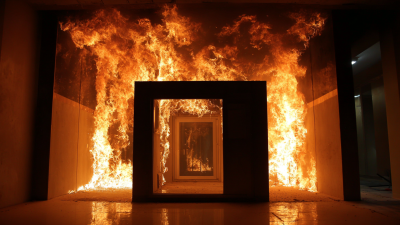
 Among the most promising advancements are intumescent coatings, which expand when exposed to high temperatures, creating a protective layer that can withstand flames for extended periods. This technology not only meets but often exceeds the ASTM E119 standard for fire resistance.
Furthermore, nanotechnology is pushing the boundaries of fire-rated glass by enhancing its thermal performance and minimizing heat transfer. Research by the National Institute of Standards and Technology (NIST) highlights that these advanced coatings can reduce the transmission of heat by up to 30%, significantly improving safety in emergency situations. With fire-rated glass increasingly utilized in high-rise buildings and public spaces, these innovations are critical in safeguarding lives and property against fire hazards, making them indispensable elements of modern architectural design.
Integration of Smart Technology in Fire Rated Glass Solutions
The integration of smart technology into fire-rated glass solutions marks a significant advancement in enhancing safety standards within various environments. Through the application of sensors and automated systems, fire-rated glass can now respond dynamically to emergency situations. For instance, glass panels equipped with temperature sensors can detect abnormal heat levels and trigger automatic shading or coloration changes, effectively creating a barrier against flames and smoke. This proactive approach not only safeguards occupants but also enhances the overall integrity of the building during fire incidents.
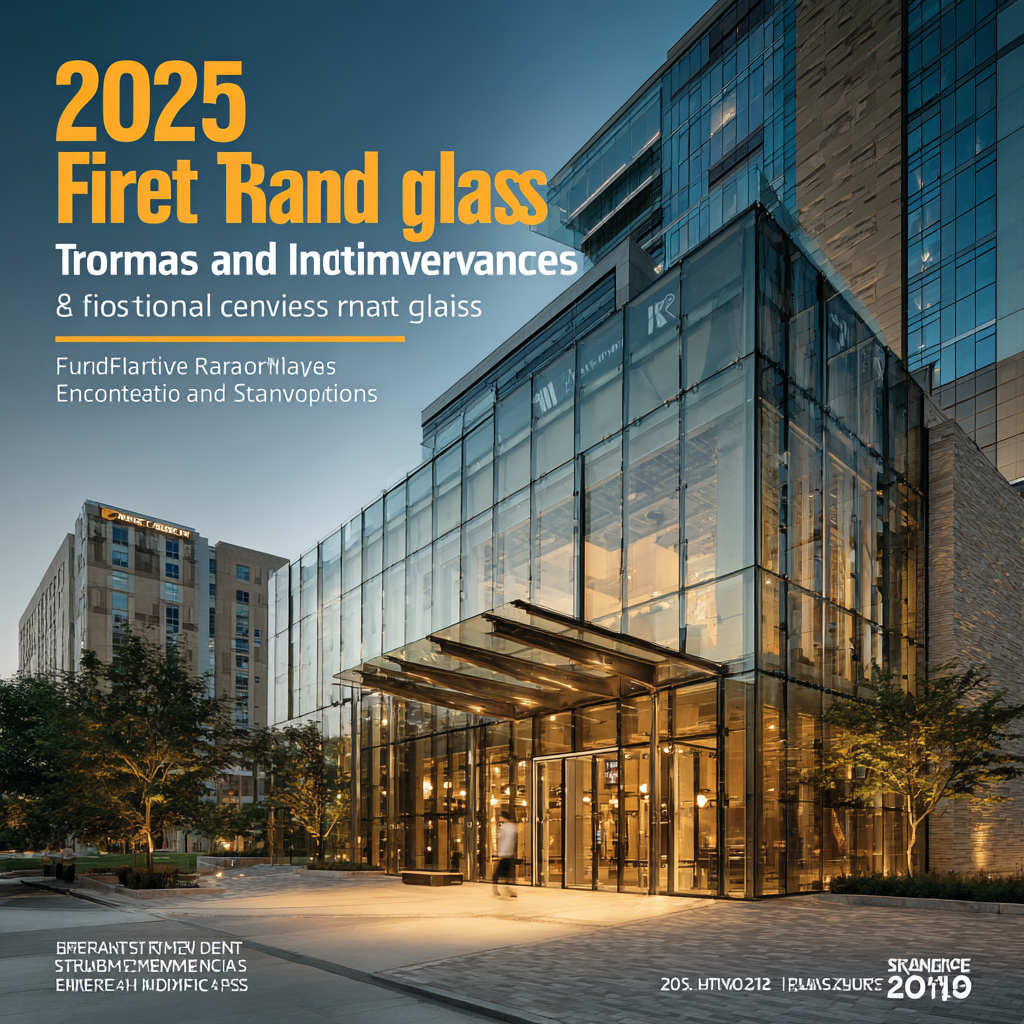
Moreover, the implementation of Internet of Things (IoT) technology allows for real-time monitoring and data analysis. Fire-rated glass can be connected to centralized safety systems, offering building managers immediate insights into potential fire hazards. In addition, these smart solutions can be integrated with building management systems, enabling automated alerts and responses in case of emergencies. As innovations in fire-rated glass continue to evolve, the fusion of smart technology will play a crucial role in setting new safety benchmarks, ensuring that both residential and commercial spaces are better equipped to handle fire-related challenges.
Sustainable Materials and Their Role in Fire Rated Glass Options
The integration of sustainable materials in fire rated glass options is rapidly gaining traction, driven by increasing regulatory standards and consumer demand for eco-friendly solutions. According to a report by MarketsandMarkets, the global fire rated glass market is projected to reach $1.8 billion by 2025, with a significant portion attributed to innovations in sustainable materials. These advancements not only enhance the thermal performance of fire rated glass but also align with environmental initiatives, reducing the carbon footprint associated with traditional glass manufacturing processes.
Sustainable materials such as recycled glass, low-emission coatings, and bio-based fiberglass are increasingly being utilized in the production of fire rated glass. A study by Research and Markets highlights that the use of recycled glass can reduce energy consumption by up to 30% during production, making it a viable option for manufacturers. Moreover, the incorporation of low-emission coatings improves energy efficiency, contributing to building sustainability standards. As architects and builders become more aware of these benefits, the demand for eco-conscious fire rated glass options is expected to soar, reinforcing their critical role in future construction projects.
Regulatory Changes and Their Influence on Fire Rated Glass Standards
As regulatory changes continue to evolve, they play a crucial role in shaping the standards surrounding fire rated glass. Recent updates emphasize enhanced performance requirements, focusing on innovative materials and manufacturing processes. These changes not only ensure compliance but are also driven by the need for improved safety in architectural design. Key stakeholders, including architects and builders, must stay informed about these regulatory shifts to incorporate appropriate fire rated glass solutions that meet the latest standards.
Tips: When selecting fire rated glass products, always verify that they have been tested and certified according to the current regulations in your area. Regularly consult with manufacturers to ensure you are aware of any new materials or technologies that can enhance safety and performance.
Furthermore, as we move toward 2025, sustainability is becoming a significant factor in the fire rated glass industry. Innovations in glass production not only aim to meet regulatory standards but also focus on reducing environmental impact. Engaging with suppliers who prioritize sustainable practices can help create safer, more eco-friendly building solutions.
Tips: Don't hesitate to ask for detailed product specifications and test results from suppliers. This information can provide valuable insight into both the safety features and the sustainability credentials of the glass products you are considering.
2025 Fire Rated Glass Trends and Innovations